
Best Old Towns in Montenegro: 7 Historic Towns Worth Visiting
Montenegro is one of those destinations that surprises you every few kilometers. Within a relatively small area, towering mountains, narrow bays, stone towns, and a sea that changes color from morning to evening all come together. While the coastline is widely known today for its beaches and summer tourism, what truly gives it character are the old towns, places that are still alive while carrying layers of different historical eras.
What is particularly interesting about Montenegro’s coastal towns is how much history can still be felt in everyday details. These are not “open-air museums” in the classic sense, but living spaces where people still live behind stone walls, drink coffee in small squares, and walk through the same narrow streets that were formed back in the Middle Ages or during the Venetian Republic. This combination of daily life and long historical continuity creates an atmosphere that is difficult to compare with modern tourist centers.
The greatest influence on the appearance and identity of these towns came from Venetian rule, as well as later Ottoman and Austro-Hungarian periods. This is visible in the architecture, street layouts, and fortifications that still dominate many settlements today. Kotor, for example, with its city walls and fortified complex, is part of the UNESCO World Heritage List, while Budva, Perast, Herceg Novi, and Ulcinj each in their own way preserve layers of different cultures and civilizations that passed through the Adriatic over the centuries.
That is why these towns are not just “stops” on a travel map, but places best experienced without rushing. Each of them has its own rhythm, sometimes narrow stone streets and quiet mornings, sometimes views over the bay with passing boats, and sometimes a livelier atmosphere with cafés and evening seaside walks.
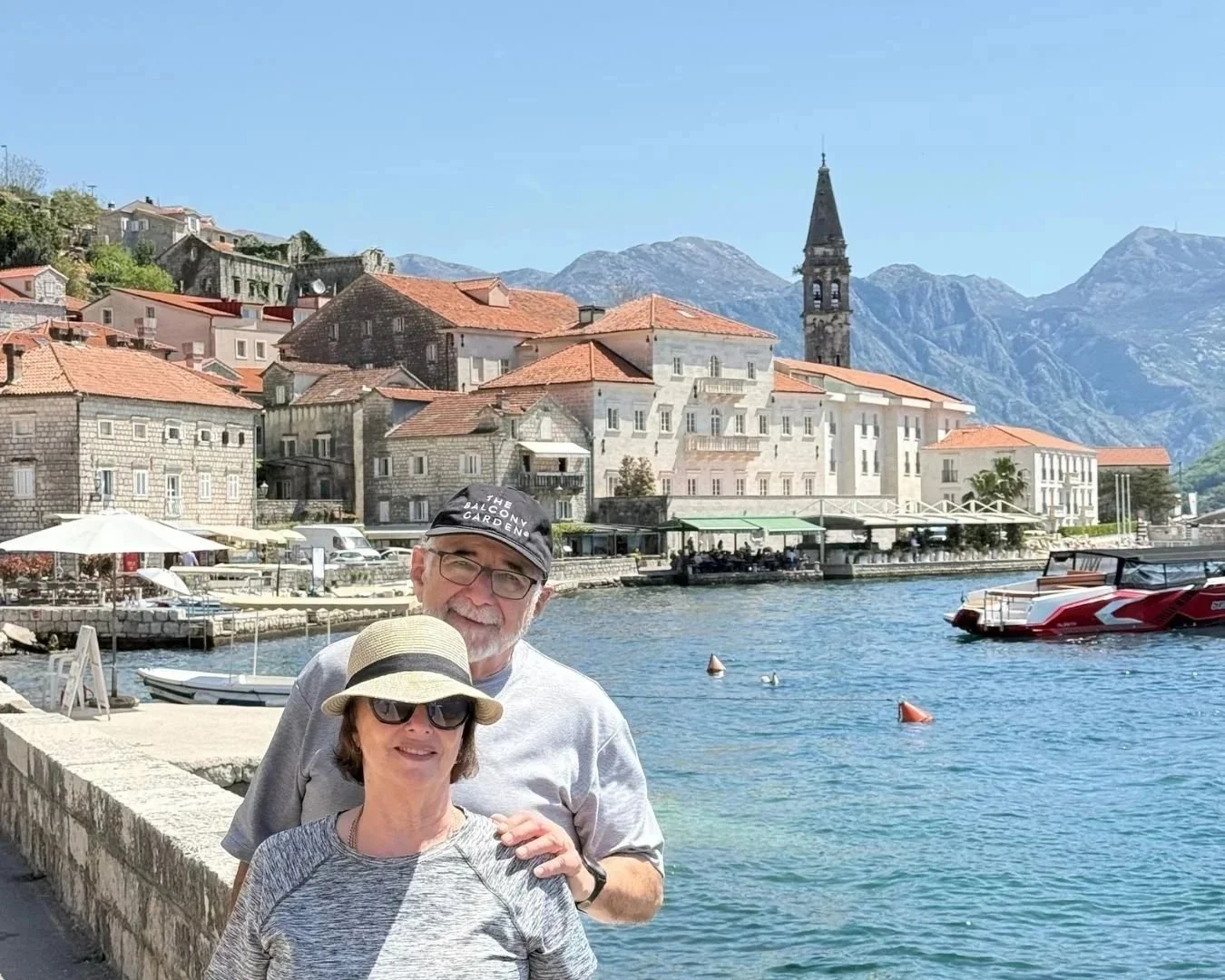
A couple enjoying the scenic waterfront in Perast, Montenegro.
Why Montenegro’s Old Towns Are So Special
What makes Montenegro’s old towns special is not only their age or architecture, but the way they naturally developed in response to geography. Most of them emerged in very limited spaces between the sea and the mountains, which directly shaped their appearance. Because of this, the street layouts are almost never regular, streets are narrow, winding, and often lead in unexpected directions, following the terrain rather than a pre-planned urban design.
In many other Mediterranean countries, historic old towns were later “restructured” to fit modern life, while in Montenegro they have largely preserved their original layouts. This means that today you can still walk the same paths once used by traders, sailors, and local communities centuries ago, without significant urban interventions that would have changed their character.
Another defining feature is how these towns were shaped by defense. Due to frequent historical conflicts along the Adriatic, settlements were designed to be protected by walls, fortresses, and natural barriers. Kotor is the best example of this approach, its fortification system does not end around the old town itself but continues high up the hillside, showing how central defense was to urban planning.
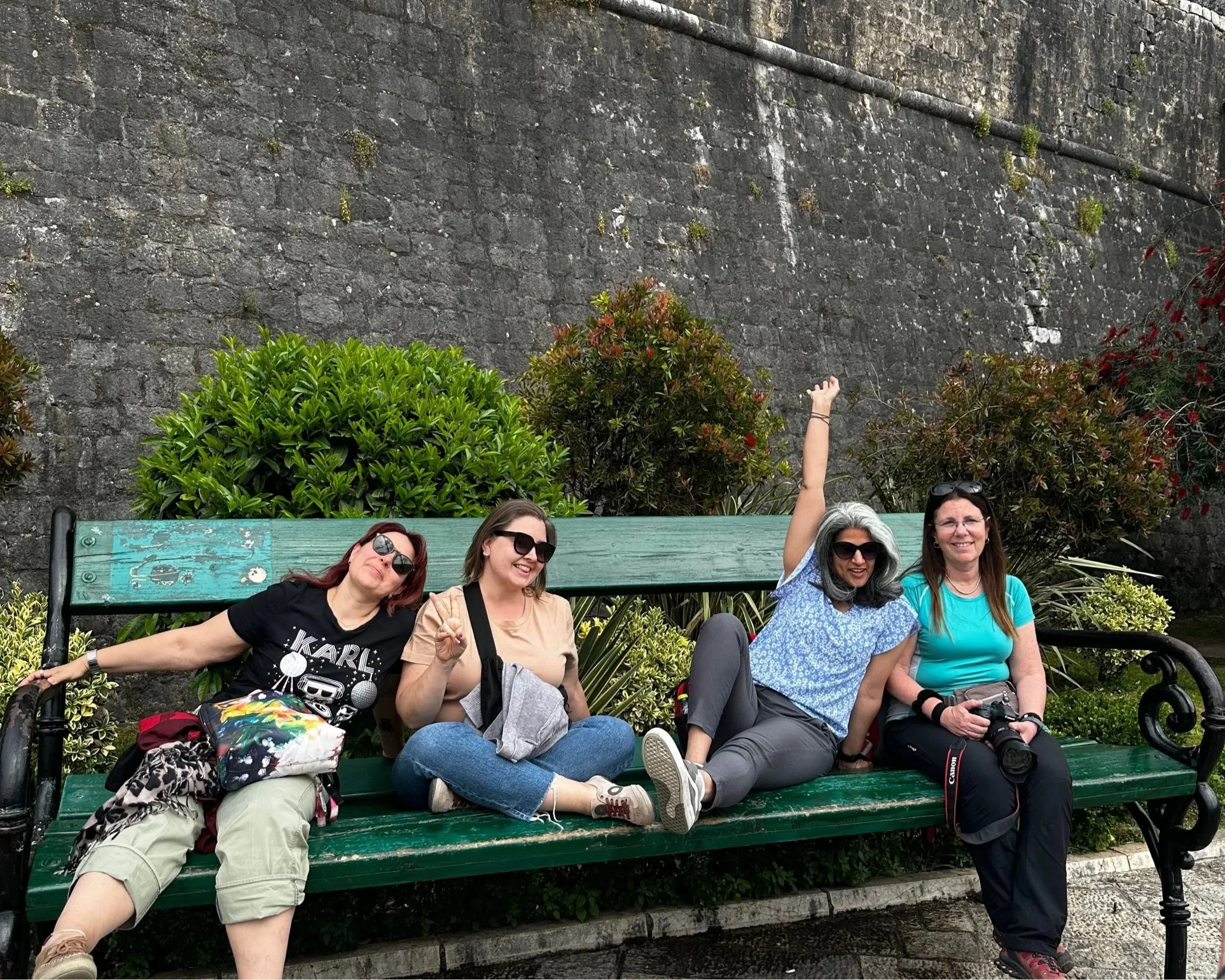
Guests posing on the famous giant bench overlooking Kotor.
It is also interesting that, despite their small size, these towns were once important trading and maritime centers. The port of Kotor, for example, played a significant role in connecting the inland Balkans with the Adriatic Sea, while Budva was long a strategic point due to its position and access to open waters. This historical importance can still be felt today in the density of architecture and the way urban spaces are organized around main squares and churches.
Today, although they are primarily tourist destinations, these towns have not lost their everyday function. People still live within the walls, work, go to school, and carry out daily routines, creating a unique balance between historic surroundings and contemporary life. This “liveliness” is what sets Montenegro’s old towns apart from many other historic sites that have become purely museum spaces.
Finally, what further distinguishes them is their sense of compactness, unlike large historic cities, everything can be explored on foot in a very short time, yet without the feeling that you have seen it all. On the contrary, their small scale and layered details often require multiple passes through the same streets in order to notice different nuances of their character.
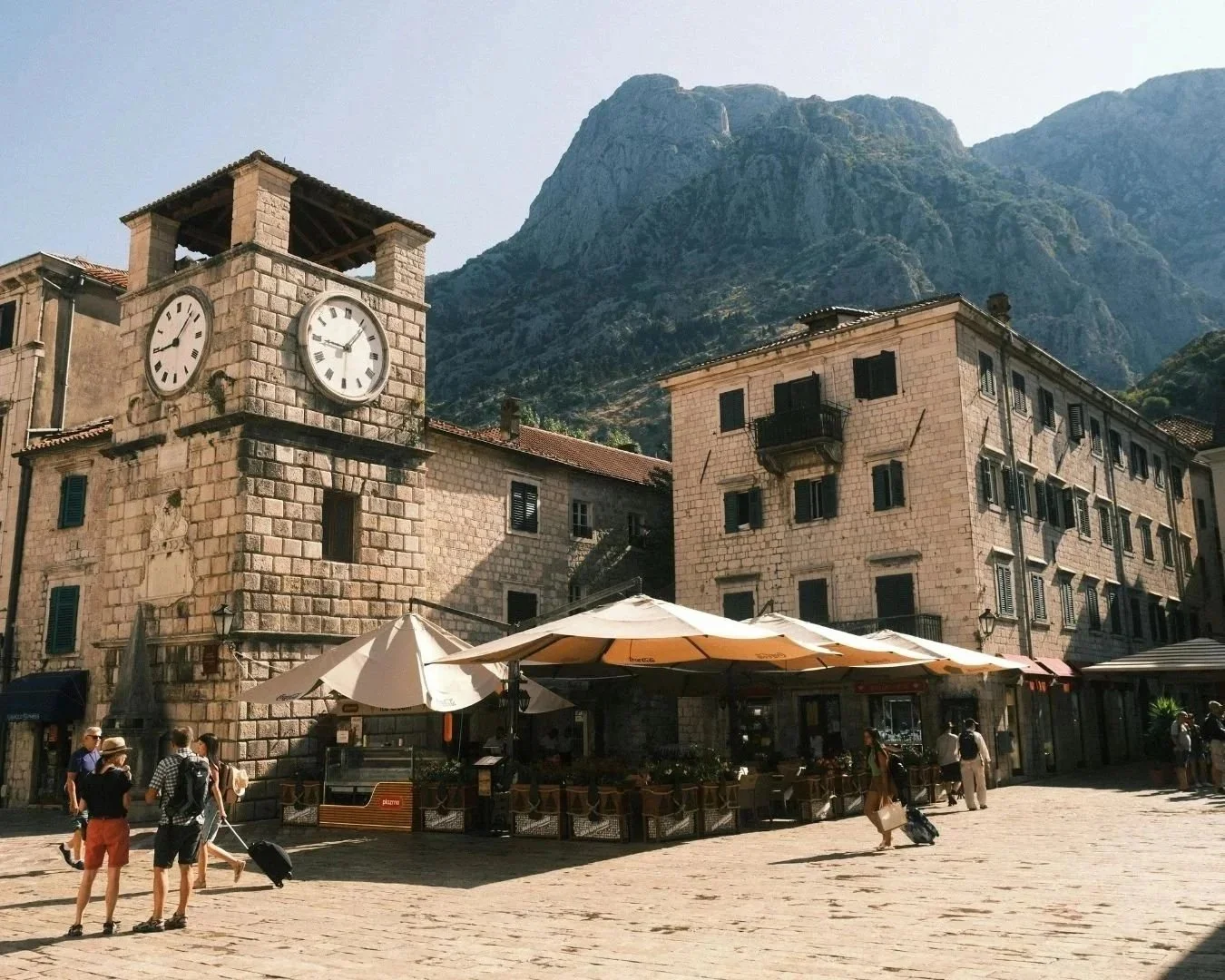
The charming historic center of Kotor with its narrow streets and stone architecture.
Kotor Old Town – Montenegro’s Medieval Masterpiece
It’s hard to talk about Montenegro’s old towns without starting with Kotor. Located at the very end of the Bay of Kotor, between the sea and steep mountain slopes, Kotor is a town that reveals itself gradually. Its stone streets, squares, and palaces tell the story of centuries of trade, seafaring, and cultural influences that shaped this part of the Adriatic.
Although today it is one of the most visited destinations in the country, Kotor still manages to preserve a sense of authenticity. It only takes a few steps away from the main squares to find quieter passages, small family-run restaurants, or courtyards hidden behind stone facades. This combination of historical heritage and everyday life makes it one of the most interesting places to explore on the Montenegrin coast.
Explore the highlights of Montenegro on a Kotor and Budva Shore Excursion, visiting the medieval streets of Kotor and the charming Old Town of Budva.
Top Things to See
St. Tryphon Cathedral
The Cathedral of Saint Tryphon is considered one of the most important religious and historical buildings in Montenegro. Dedicated to the city’s patron saint, Saint Tryphon, its history dates back to the 12th century. Over the centuries, it has suffered damage from earthquakes but has been restored multiple times, which is why it today represents a blend of different architectural periods.
Beyond its impressive façade and interior, the cathedral also houses a treasury with valuable religious artefacts that reflect Kotor’s rich past and its long maritime tradition.
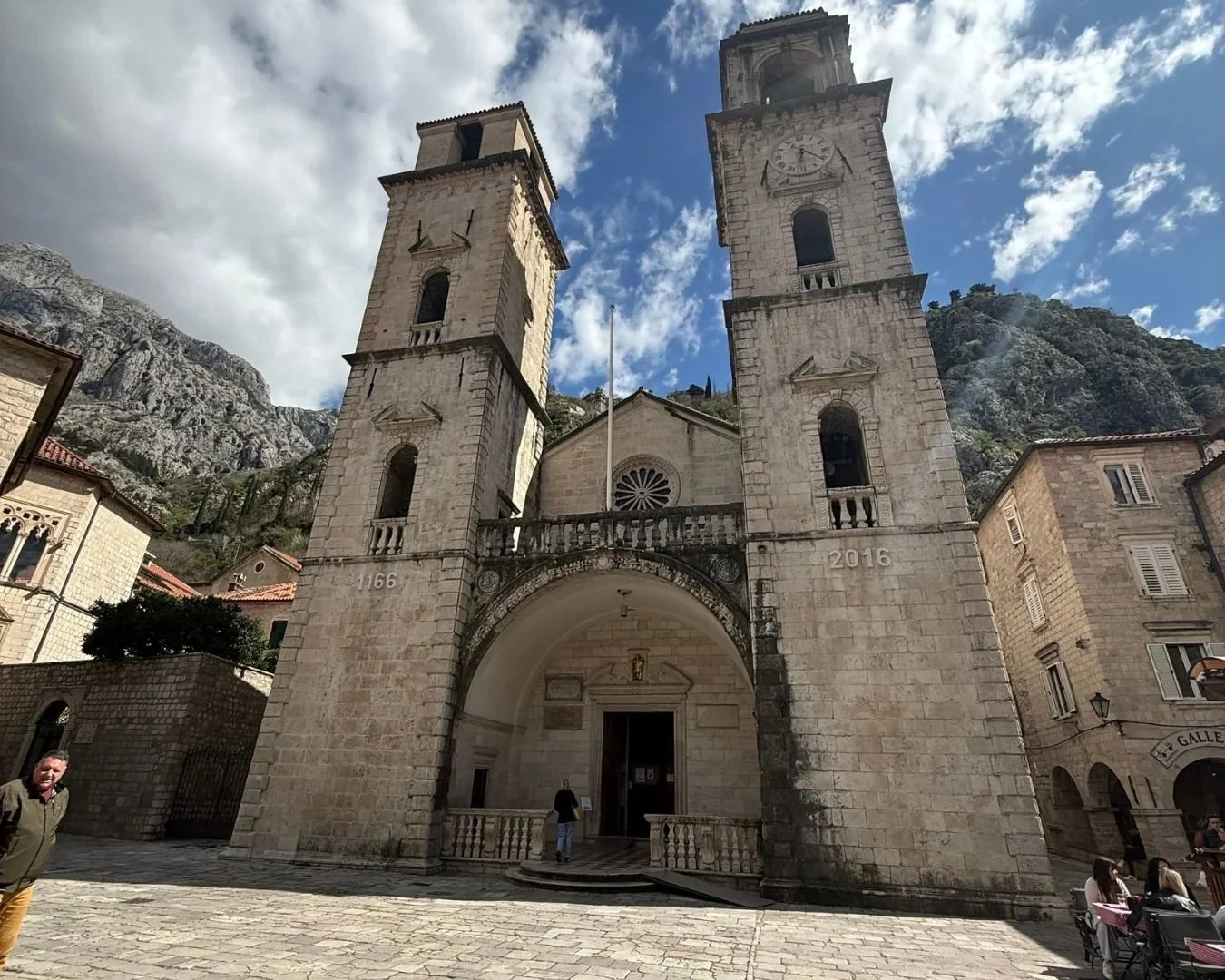
The impressive St. Tryphon Cathedral, a landmark of Kotor’s Old Town.
City Walls
Few landmarks define the identity of Kotor as strongly as its city walls. The fortification system was developed over several centuries and today stretches high above the old town, following the natural terrain.
The climb up to the Fortress of St. John requires some effort, but it offers a completely different perspective of the town. As you ascend, the rooftops of the old town become smaller and smaller, while the view gradually opens up toward the bay and the surrounding mountains. It is one of the rare places where you can fully understand why Kotor’s location was so strategically important throughout history.
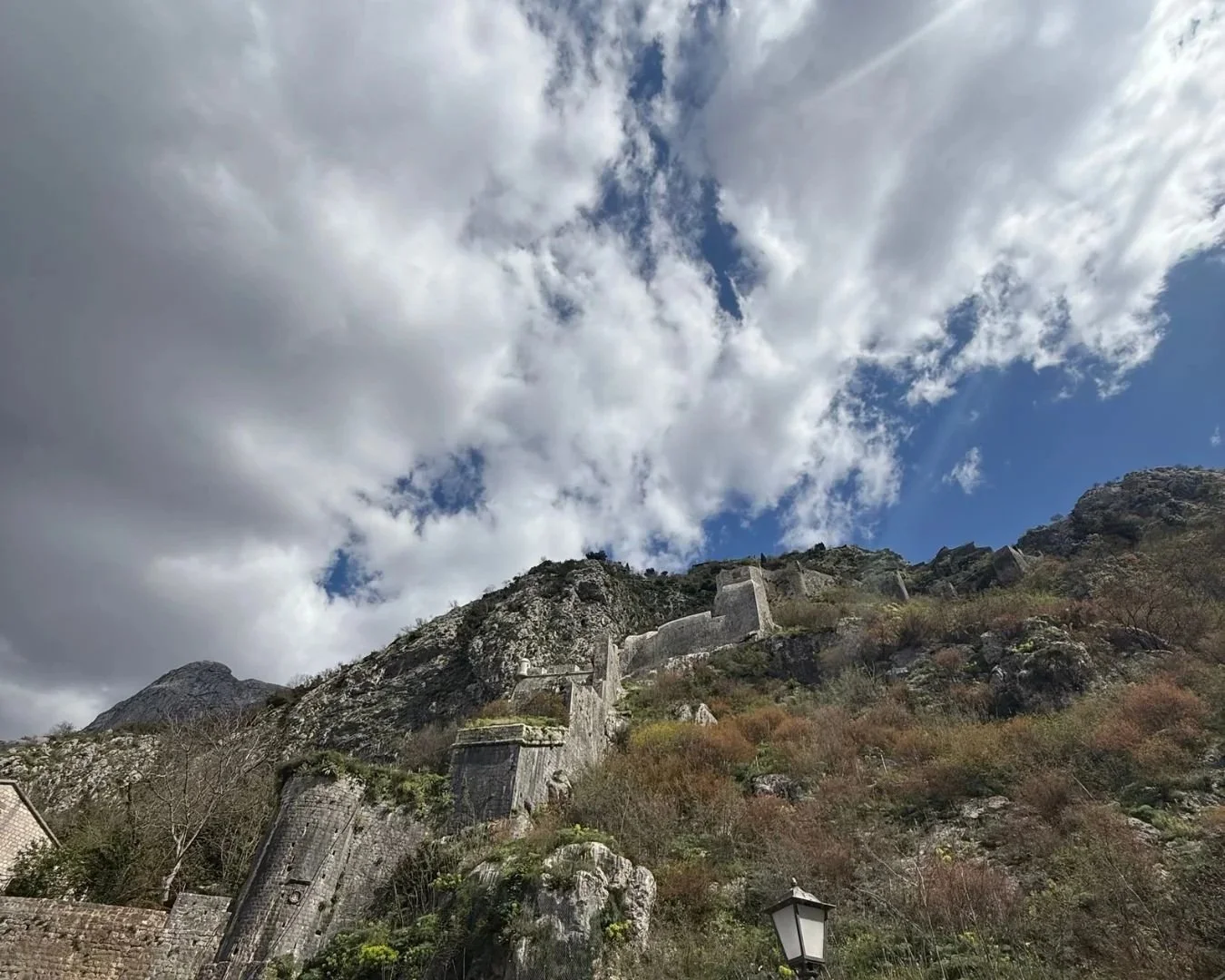
The historic City Walls of Kotor rising above the Old Town and surrounding mountains.
Square of Arms
The Square of Arms is the largest and liveliest square within the city walls. Over the centuries, it has served as a central meeting point for trade and public life, a role it still maintains today.
Surrounded by historic buildings, including the Clock Tower and the Prince’s Palace, the square is a good starting point for exploring the town. In the morning, it reflects a slower pace of life, while in the evening it becomes filled with visitors and locals alike.
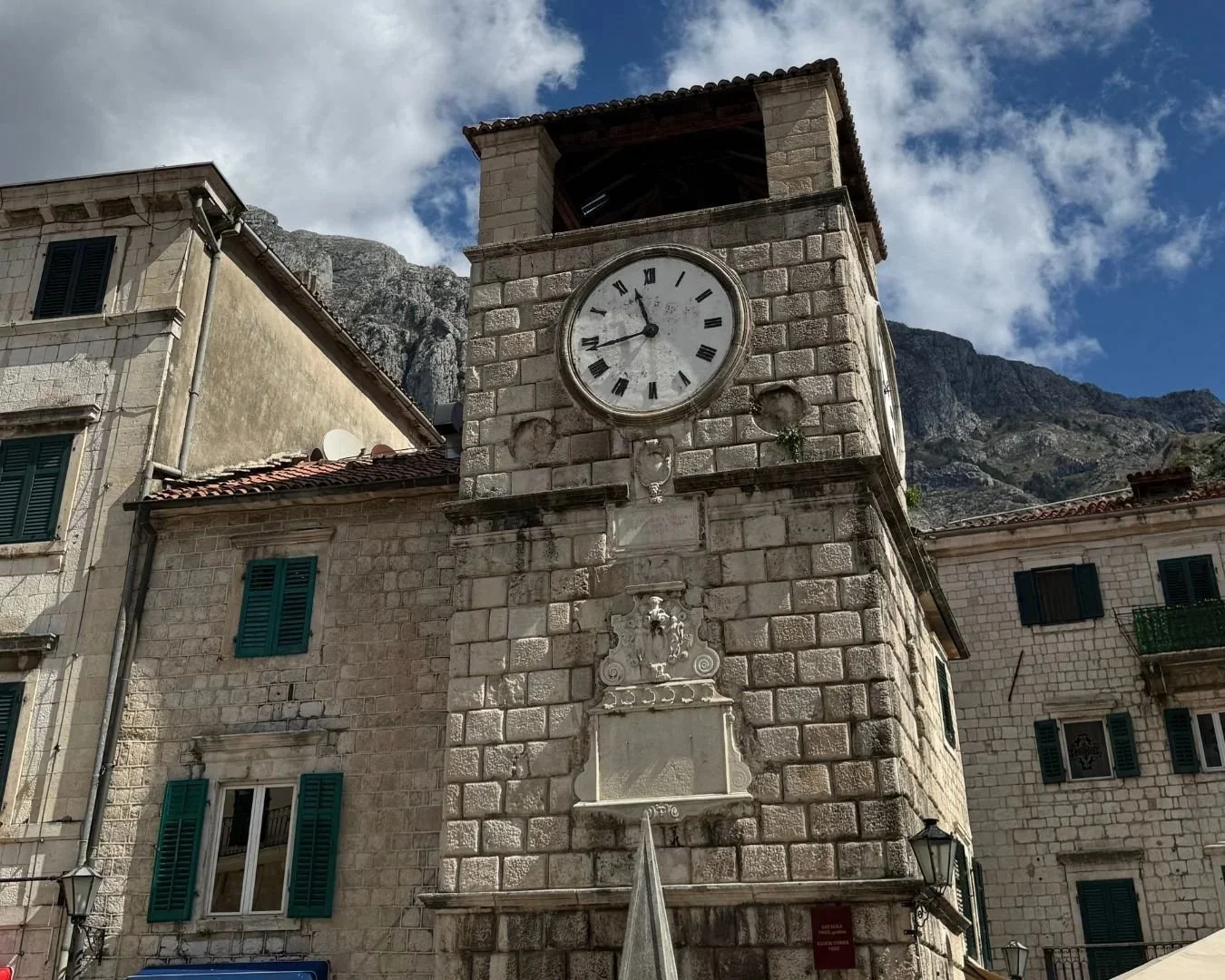
The historic clock tower located at Trg od Oružja in Kotor Old Town.
The Sea Gate
The Sea Gate is the main entrance into Kotor’s Old Town, built in 1555 during Venetian rule on top of an even older medieval gate. Walking through it for the first time feels almost ceremonial, the narrow stone passage opens directly onto the Square of Arms, and the shift from the modern town to the medieval one happens within a few steps.
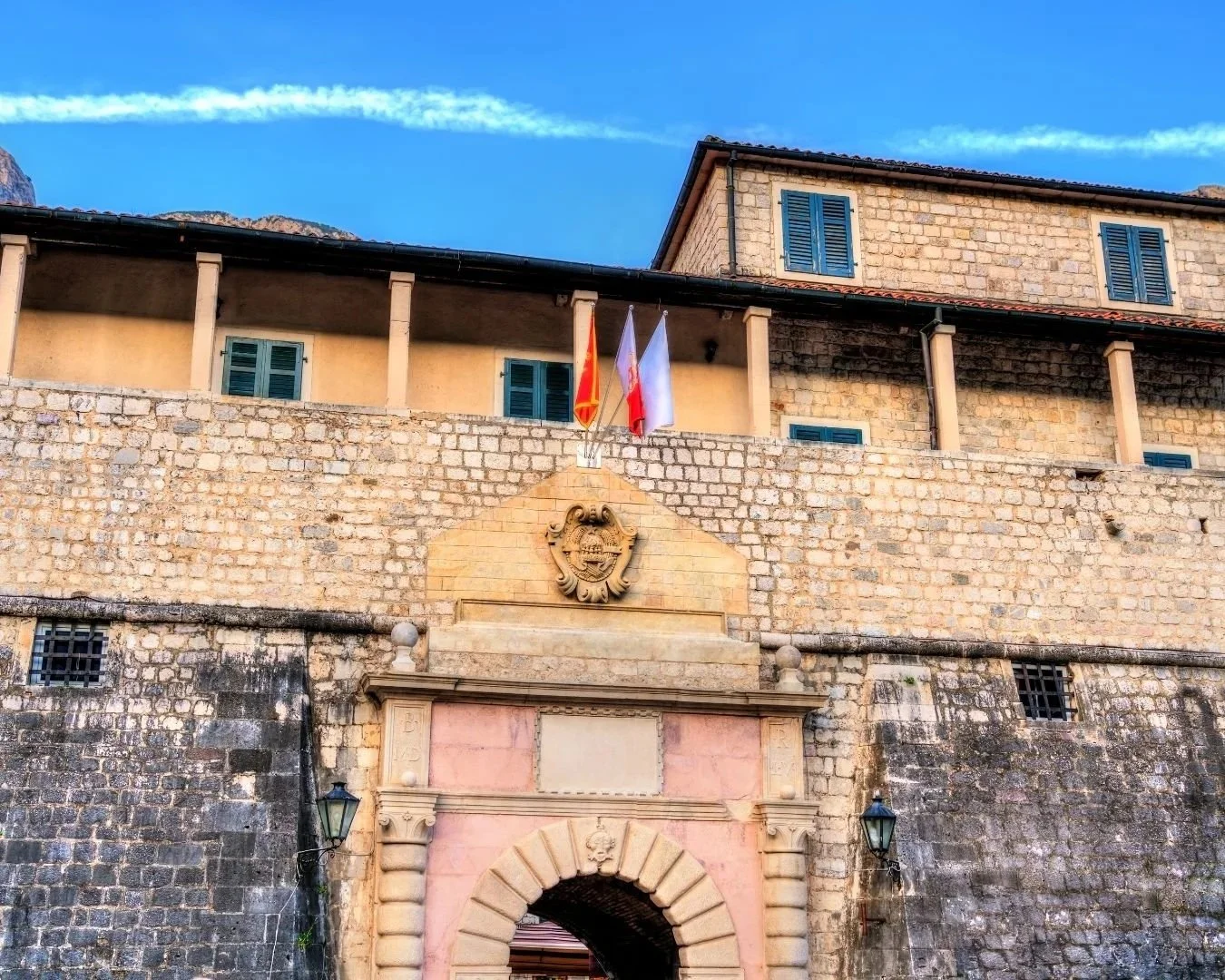
The Sea Gate entrance to Kotor Old Town, a historic gateway leading into the city.
Maritime Museum of Montenegro
Housed inside the Baroque Grgurina Palace, the Maritime Museum of Montenegro traces Kotor’s long relationship with the sea through ship models, naval uniforms, old maps, and artefacts left behind by generations of local captains. It is a quieter stop than the cathedral or the walls, but it explains why this small town once carried such weight in Adriatic trade.
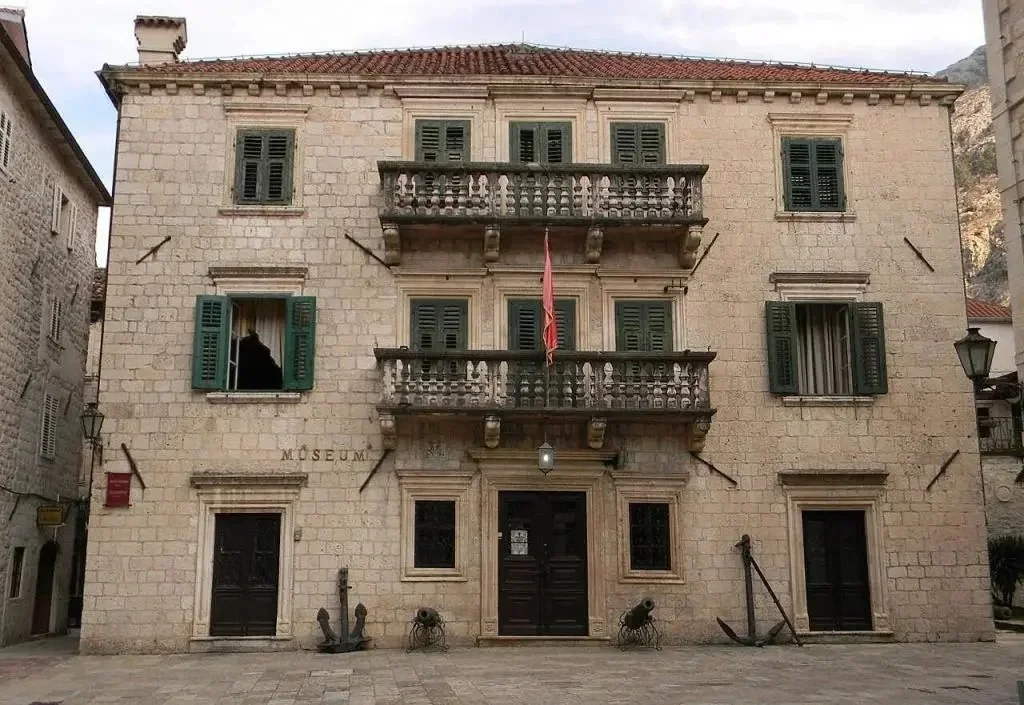
The Maritime Museum of Montenegro located in a historic palace in Kotor Old Town.
Foto:Visit Montenegro
Why Visit Kotor?
Kotor is not a town that you explore only through individual landmarks. Its real value lies in the overall experience of the place.
First of all, it is one of the best-preserved historic urban areas on the eastern Adriatic coast. Its UNESCO World Heritage status confirms its cultural importance, but what visitors remember most is not the label, but the atmosphere the town creates.
Kotor is small enough to explore on foot, yet layered enough that every walk reveals something new. One moment you are on a busy square, and just a few minutes later you find yourself in a quiet alley where the sound of footsteps on stone is the only noise.
The views that surround the town from almost every elevated point also leave a strong impression. The combination of the bay, mountains, and medieval architecture creates a landscape unlike anywhere else on the Montenegrin coast.
Best Time to Visit
Although Kotor is lively throughout the year, the most pleasant time to explore the old town is usually from April to June and from September to late October. Temperatures are comfortable for longer walks, and the streets are less crowded than during the peak summer months.
In July and August, the town attracts the highest number of visitors, especially on days when cruise ships arrive in the port. If you are visiting during this period, it is worth exploring the old town early in the morning before the squares and main streets fill up.
For those who want to experience a quieter side of Kotor, early mornings and late evenings often leave the strongest impression. At those times, the stone streets feel almost unchanged from centuries ago, and the town briefly slows down its everyday rhythm.
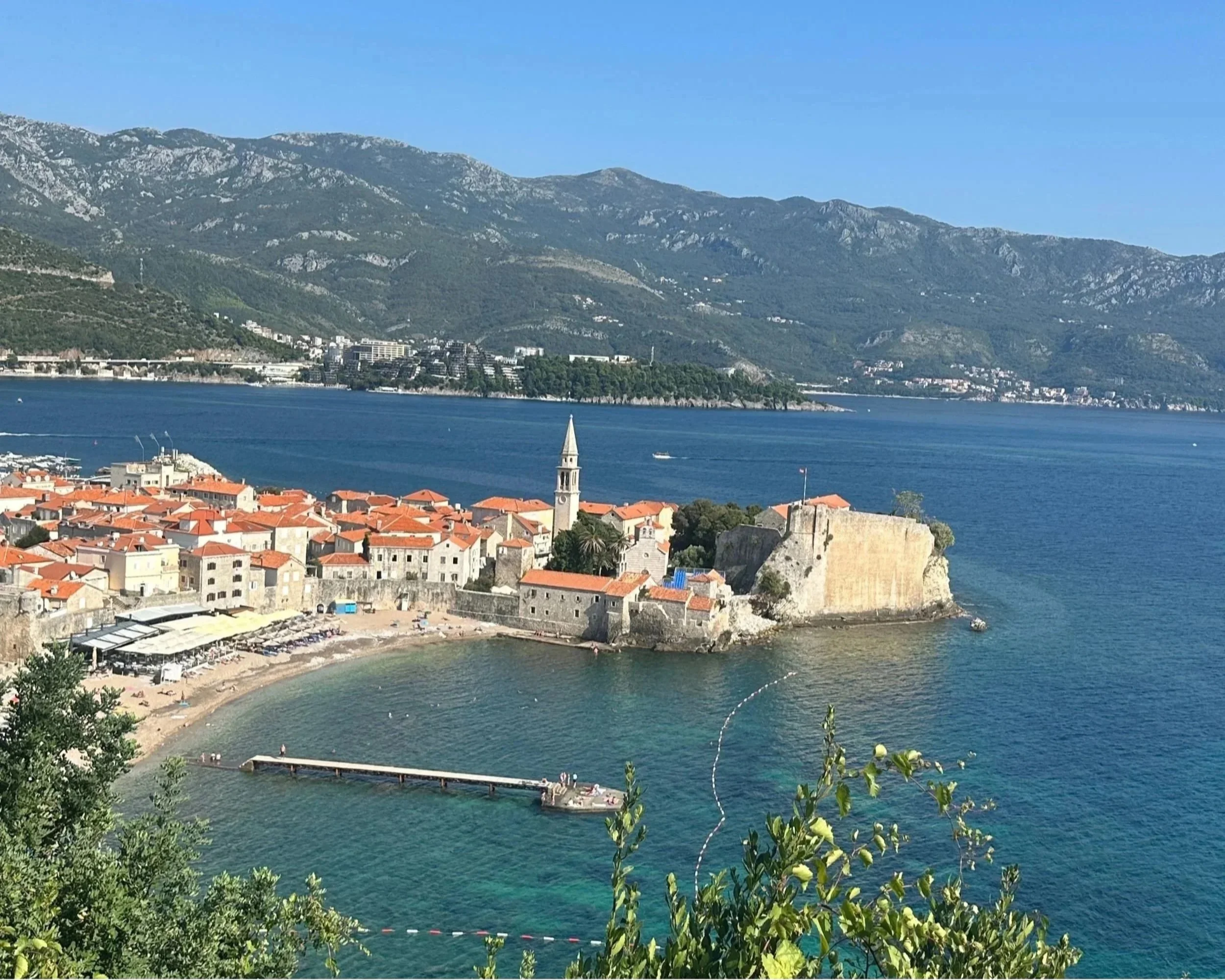
A scenic view of Budva, one of Montenegro’s most popular coastal towns.
Budva Old Town – History Meets the Adriatic
Where Kotor seems turned toward its past, Budva gives the impression of a place where history and modern life constantly meet. Behind the stone walls of the old town lies one of the oldest urban settlements on the eastern Adriatic coast, with a history that goes back more than 2500 years. However, what makes Budva special is not only its age, but the fact that the old town sits just a few steps away from beaches, promenades, and the lively buzz the city is known for today.
Many historic cores feel cut off from the rest of the city; Budva’s Old Town remains a natural part of everyday life instead. Within a single afternoon, you can explore stone streets, sit in a small square for a coffee, and just a few minutes later find yourself by the sea, looking out over the open Adriatic. This closeness between history and the sea gives Budva a character all its own among the towns of the Montenegrin coast.
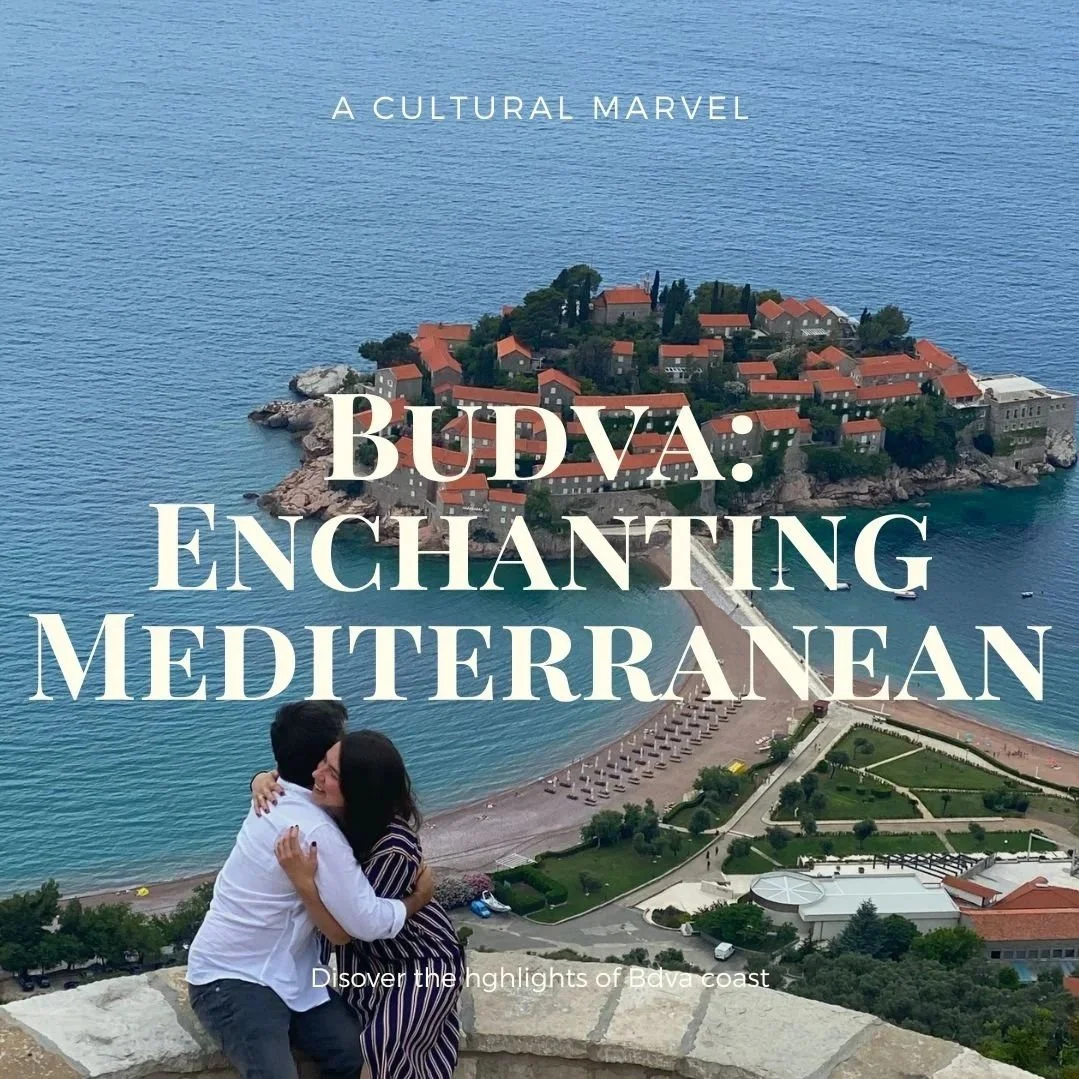
Walking tour through Budva Old Town with scenic views of the Adriatic coast and Sveti Stefan in Montenegro.
The Citadel
At the very edge of the old town, where stone walls meet the sea, stands the Citadel, one of Budva’s most recognizable historic landmarks. Over the centuries, it served as a key defensive point of the town, protecting the settlement from attacks coming from the sea. Its current form is the result of numerous reconstructions and additions, so within its walls you can trace different historical periods that shaped Budva.
While its historical importance is undeniable, most visitors today are drawn to its position, which offers a unique perspective of the town and coastline. From the Citadel terraces, the view opens toward the Adriatic Sea, Sveti Nikola Island or Hawaii Island as us locals call it, and the rooftops of the old town stretching just below. It is one of the rare places where you can clearly understand how closely Budva has always been connected to the sea and why its location held such strategic importance.
Inside the complex, there are spaces occasionally used for cultural events, exhibitions, and performances, which gives the Citadel an additional role in the modern life of the city. If you are coming to Montenegro try to book Budva City Theater event.
Still, even without a scheduled event, it is worth visiting, not only for the structure itself, but for the chance to see Budva from a different perspective, between stone walls that hold its past and the open sea that has always defined its character.
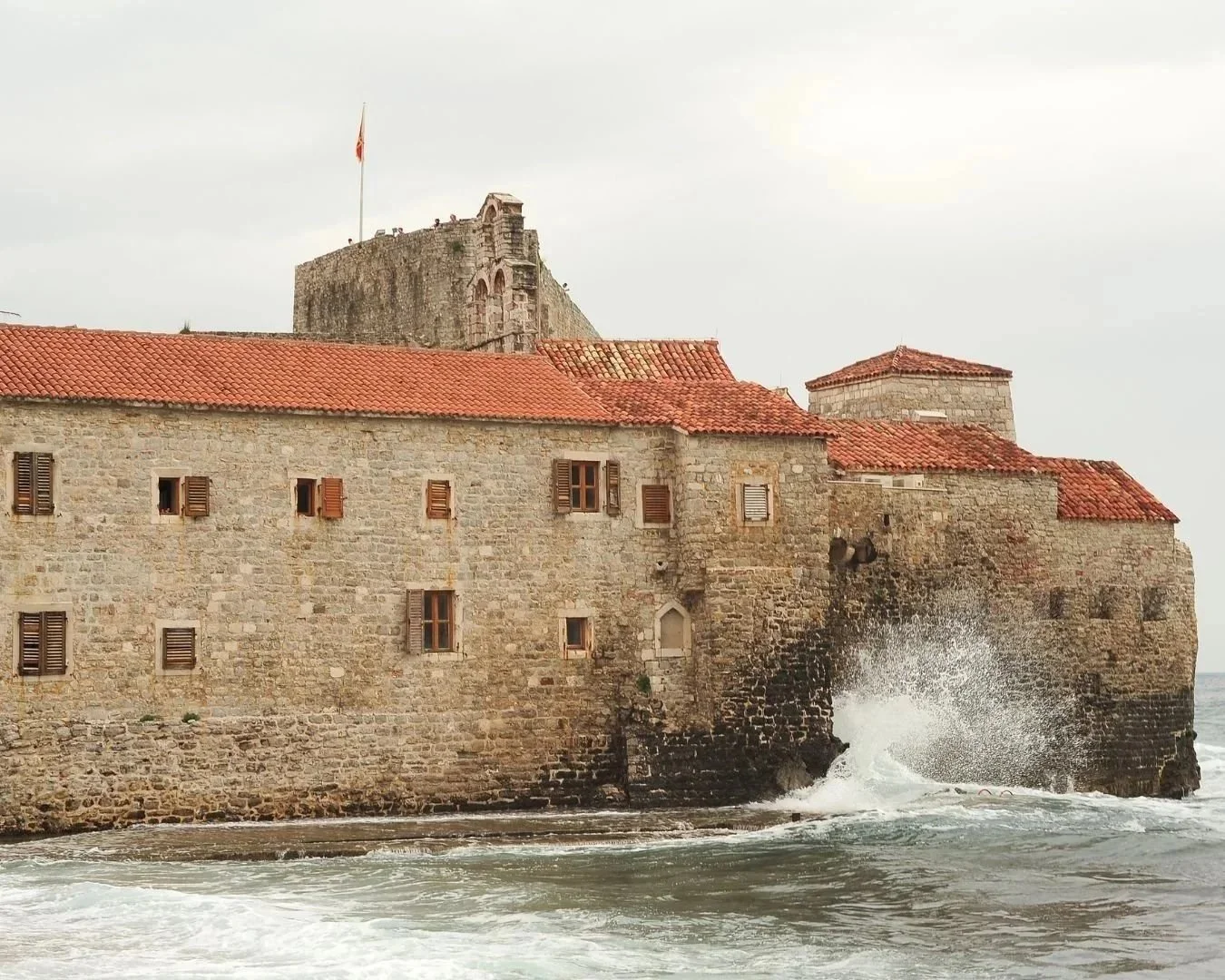
The historic Citadel in Budva.
Holy Trinity Church
On one of the central squares of the Old Town stands the Church of the Holy Trinity, one of the most important Orthodox churches in Budva. Built in the early 19th century, it is easily recognizable thanks to its distinctive dome and its facade made of alternating light and darker pink stone, which makes it stand out from most other buildings in the town.
Although it is not as large as some better-known churches along the Adriatic, its location and architecture give it a special significance. The square surrounding it often offers a short break from the busier parts of the Old Town, and it is here that you can best feel Budva’s slower pace away from the main tourist routes. Nearby is also the grave of writer and politician Stefan Mitrov Ljubiša, one of the most important figures in Budva’s history.
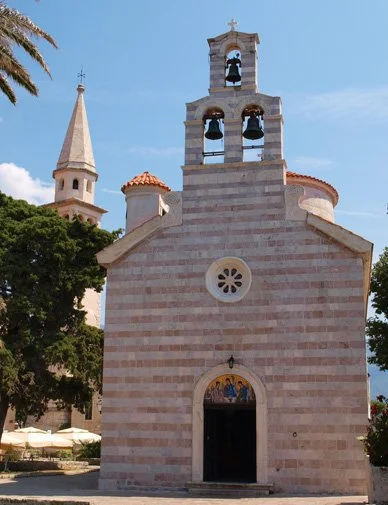
The Holy Trinity Church, one of the most recognizable landmarks in Budva Old Town.
Foto: Adria line
The City Walls
Budva’s city walls are among the oldest preserved elements of the town and recall a time when protection from sea attacks was as important as life inside the walls themselves. Although they were rebuilt several times throughout history after earthquakes and wars, their original structure has been preserved to this day.
Walking along sections of the fortifications, it becomes easy to notice how carefully the town’s position was chosen. On one side lies the open sea, while on the other, views stretch across the rooftops of the Old Town. This combination of natural and urban landscape makes the walls one of the best places to understand Budva’s relationship with the sea, which has shaped both opportunity and challenge for its residents over the centuries.
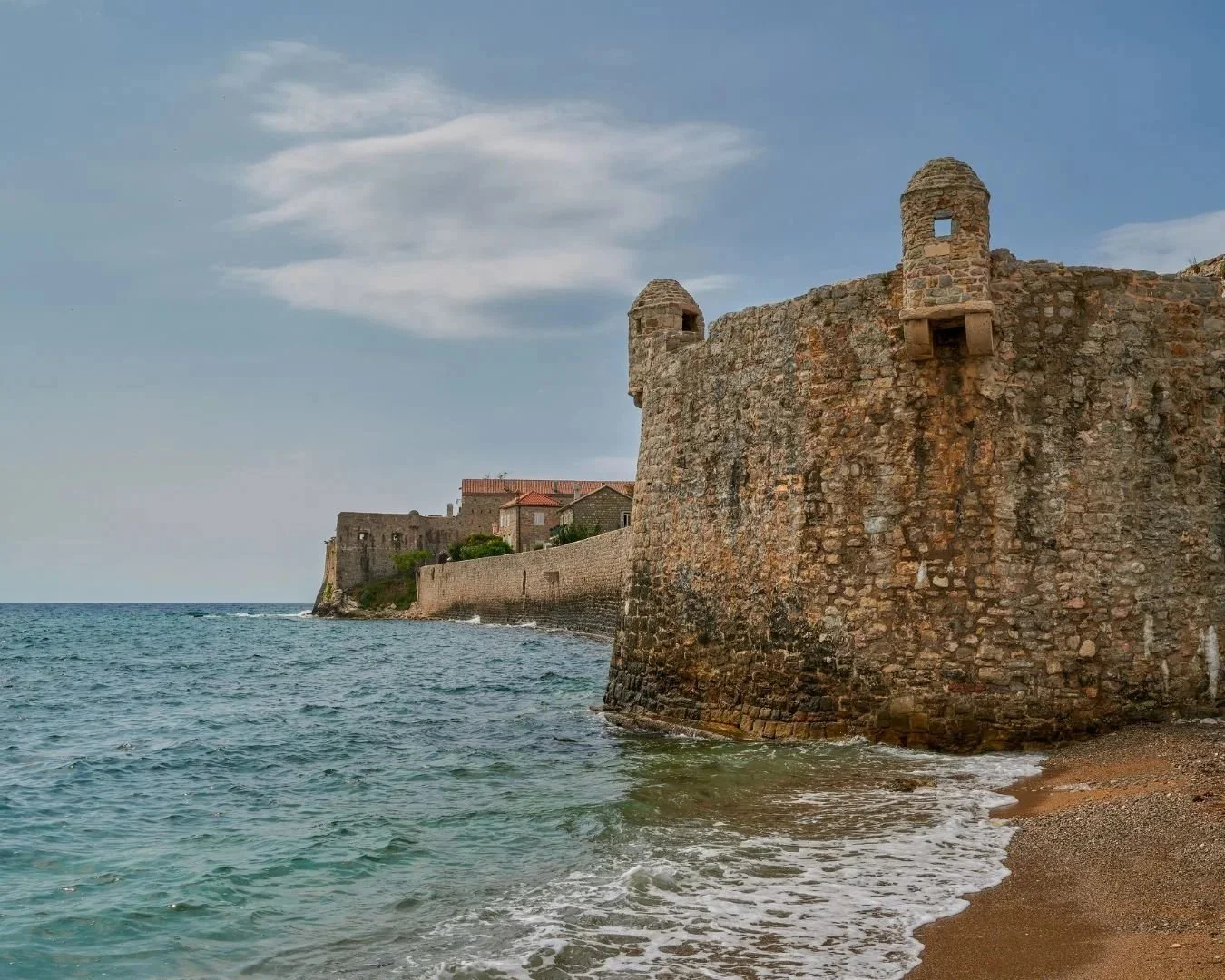
The historic city walls surrounding Budva Old Town along the Adriatic coast.
Richard’s Head Beach
Few beaches on the Montenegrin coast have such a unique location as Richard’s Head Beach. Set directly below the walls of the Old Town, this small pebbled beach offers one of the most recognizable views of Budva. While swimming or walking along the shore, the stone walls and historic core of the town dominate the entire backdrop.
The beach’s name is linked to the filming of the 1964 movie The Long Ships, in which Richard Widmark played one of the leading roles. Although today most visitors come for the views and proximity to the Old Town, the story behind the name remains part of local tradition. In the late afternoon, when the sun begins to set toward the horizon, this becomes one of the most beautiful spots to watch how light changes across the stone walls and the sea surface.
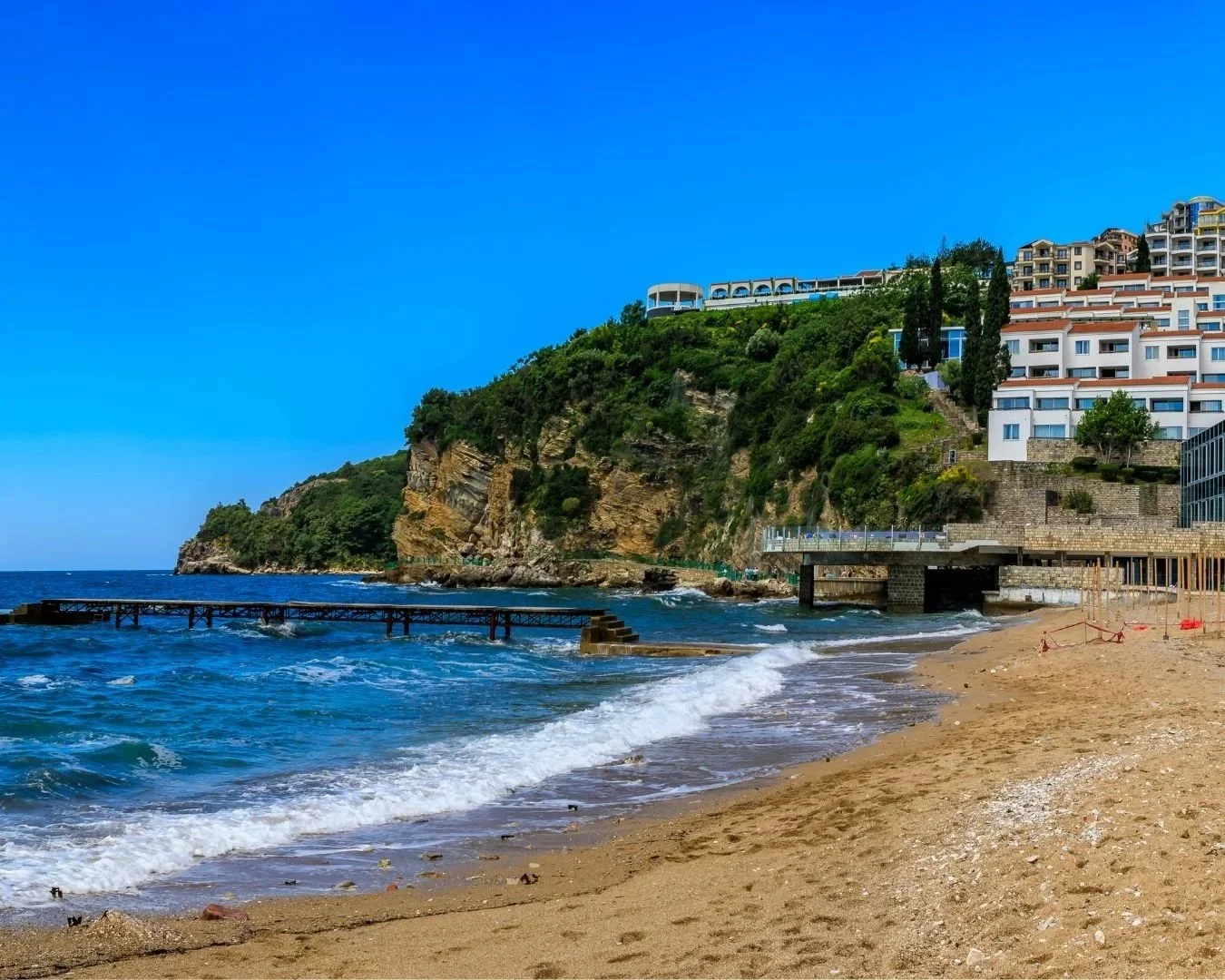
Richard’s Head Beach, a popular seaside spot beside Budva Old Town.
The Narrow Streets of the Old Town
Perhaps the best way to experience Budva is not by visiting individual landmarks, but by simply walking without a fixed route. The streets of the Old Town form a dense network of passages connecting small squares, stairways, and hidden corners that have developed over more than two thousand years of urban history.
Many historic centers have hardened into open-air museums over time. Budva’s Old Town has kept its pulse instead. Behind its stone façades are still homes, galleries, small restaurants, and family-run businesses, giving the space an authenticity that is difficult to recreate. Often, an unplanned turn into a quieter street leads to the most interesting discoveries, a small square, a detail on a façade, or a sea view that is not marked on any tourist map.
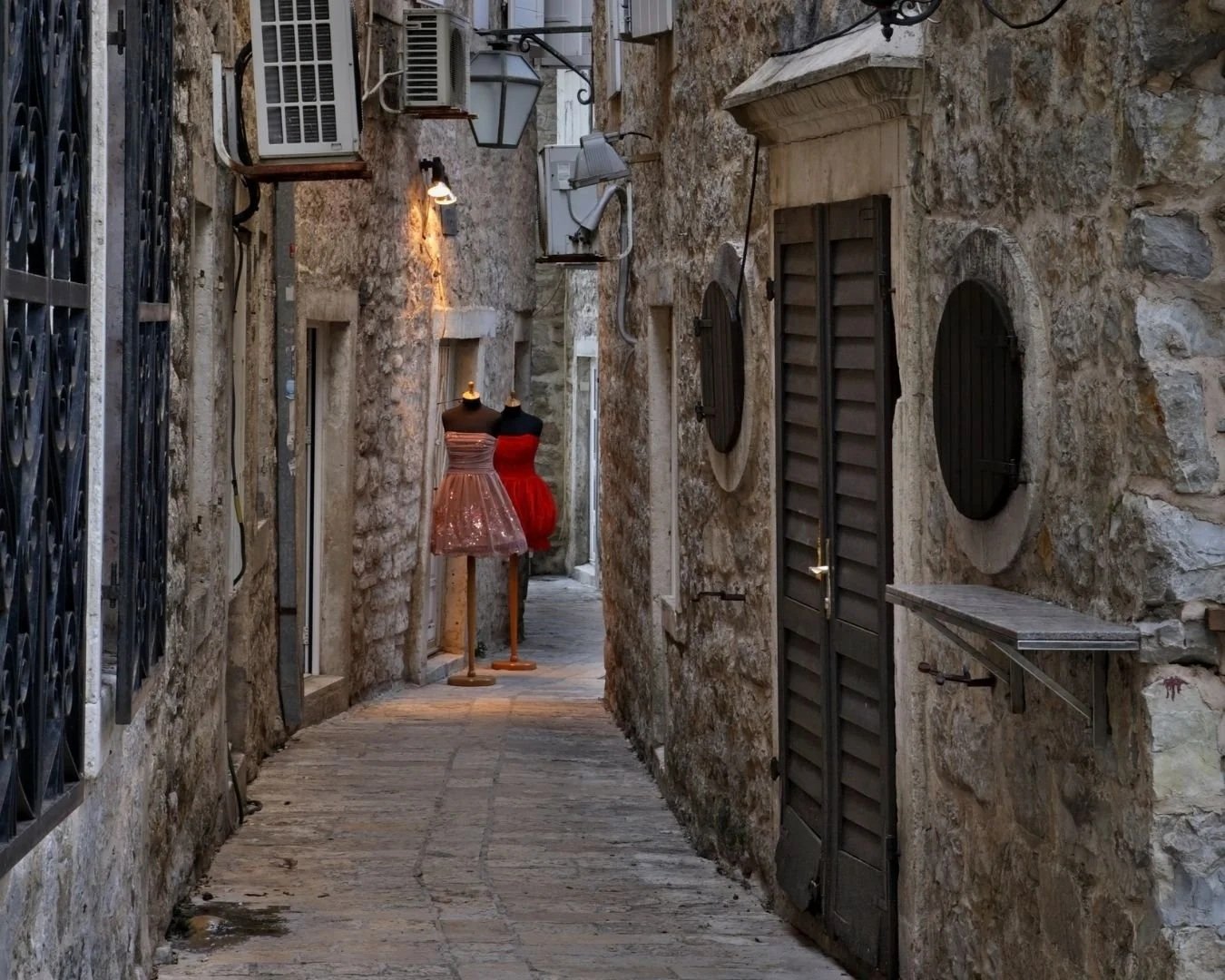
The charming narrow streets of Budva Old Town lined with historic stone buildings.
Why Visit
Budva is perhaps the best choice for travelers who do not want to choose between history and a seaside holiday. There are few places on the Adriatic where a medieval town center sits directly next to a beach, creating a blend that appeals equally to culture lovers and those simply looking to spend time by the sea.
The city also has a different energy compared to other historic centers in Montenegro. During the day, its streets are filled with visitors exploring landmarks, while in the evening, squares and restaurants turn into gathering places where the historic setting naturally blends with a modern Mediterranean lifestyle.
Budva is also the nightlife hub of the Montenegrin coast and it attracts travellers from everywhere. During the summer season, the city attracts visitors not only for its beaches and history, but also for its wide range of evening entertainment. From small bars and terraces inside the Old Town to popular clubs, beach bars, and open-air summer events, there are many and varied options for going out. This ability to offer cultural heritage, seaside relaxation, and a vibrant nightlife within a single day is one of the things that sets Budva apart from other coastal towns in the country.
Another advantage of Budva is its accessibility at the very center of our coast.
Thanks to its central coastal position, it serves as an excellent base for exploring other parts of the Montenegrin coastline, while also offering enough content to keep visitors engaged during a longer stay.
Best Time to Visit
Budva is a destination that works throughout the year, but the experience varies significantly depending on the season.
Late spring and early autumn often offer the best balance between pleasant temperatures and a comfortable atmosphere. During this time, the sea is warm enough for swimming, and the Old Town is noticeably less crowded than in peak summer months.
July and August bring the highest number of visitors and the liveliest energy. Budva shows its more energetic side during this period, with numerous events, open terraces, and an active city life that continues late into the night.
For those who prefer to explore without crowds, early morning remains the most pleasant time to walk through the Old Town. As the city slowly wakes up, the stone streets and squares feel almost entirely different from a few hours later, offering a chance to experience Budva at a calmer pace.
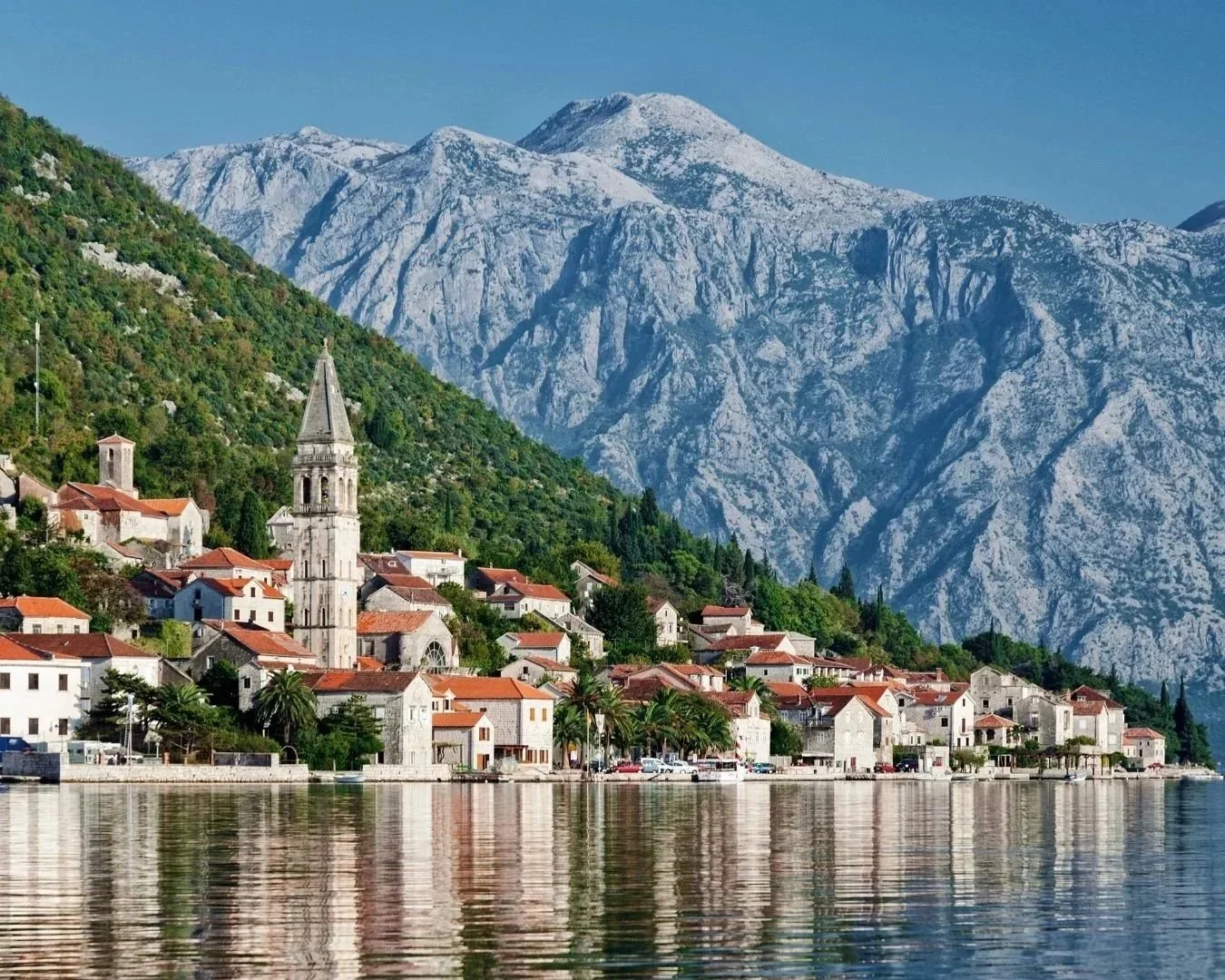
A picturesque view of Perast, a charming coastal town on the Bay of Kotor.
Perast – The Most Elegant Historic Town
If Kotor attracts attention with its dramatic setting and Budva with its energy and pace, Perast wins people over in a completely different way. There are no large crowded squares, no nightlife scene, and no intense urban rhythm. Instead, Perast gives the impression of a place that has not changed much over the centuries compared to the rest of the coast.
With just one main street running along the shoreline, the town feels almost perfectly composed. Stone palaces, church bell towers, and views of the calm bay give it more in common with a small Italian coastal town than a typical Adriatic destination.
Although today it is one of the most visited places in the Bay of Kotor, Perast has managed to preserve a sense of calm that clearly sets it apart from other towns in the region.
Its history is closely tied to the sea. During the 17th and 18th centuries, Perast was known for its captains, sailors, and shipbuilders, and the wealth earned through maritime life is still visible in the architecture that defines the town today. Because of this, Perast is not a place you visit for a long list of attractions, but a town you experience through detail, walking, and atmosphere.
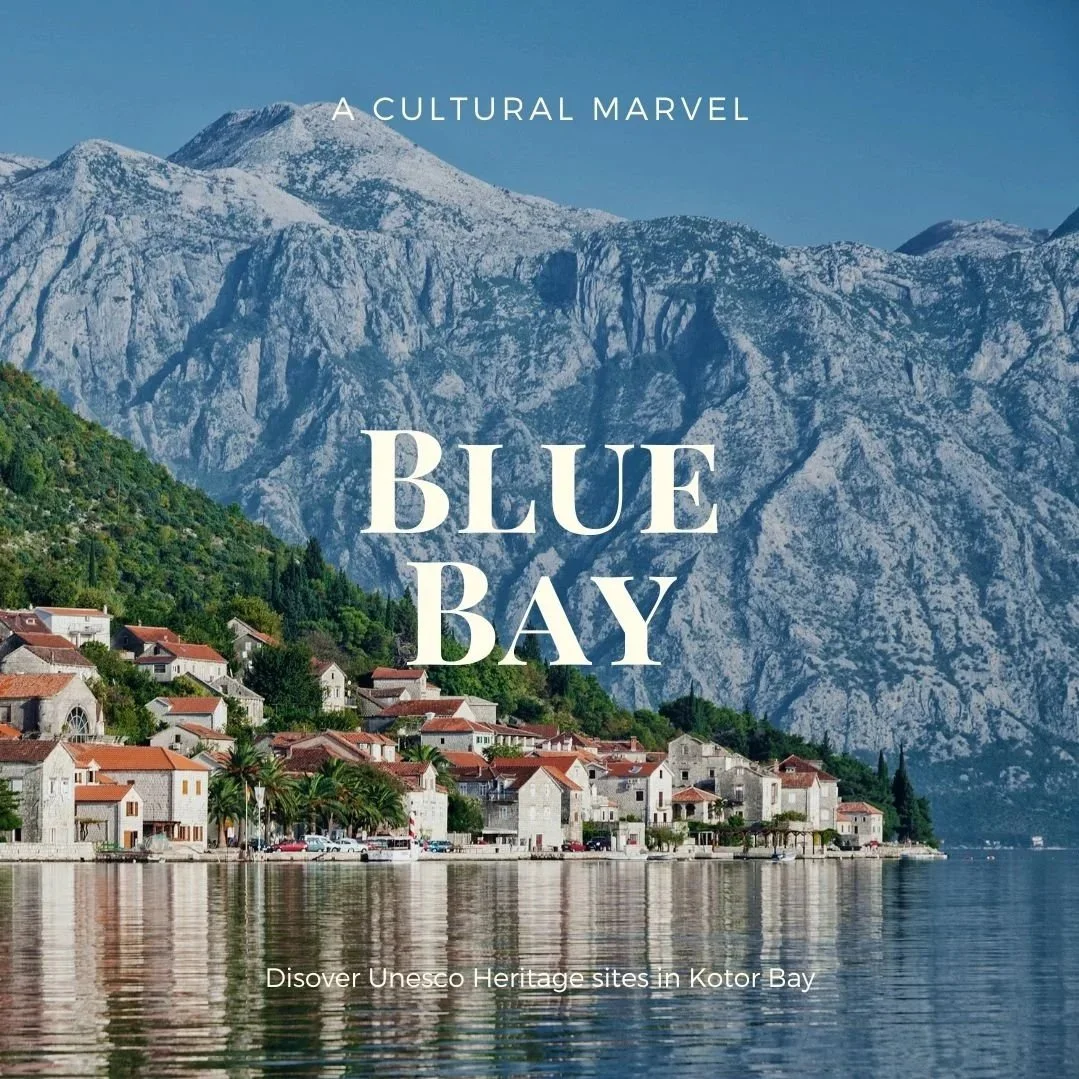
Private tour of Kotor Bay and Perast with boat visit to Our Lady of the Rocks and scenic Mediterranean landscapes.
Top Things to See
Our Lady of the Rocks
The most famous symbol of Perast is located on a small artificial island just off the coast. Our Lady of the Rocks is one of the most recognizable sites in Montenegro, and its story is as compelling as the island itself.
According to local legend, sailors found an icon of the Virgin Mary on a rock in the sea in 15th century, after which they spent centuries depositing stones at that exact spot, gradually forming the island that exists today, more then 2km2. A church was later built there, which still preserves numerous artistic and historical objects connected to the maritime tradition of the Bay of Kotor.
Reaching the island by boat takes only 5-10 minutes, but it offers a completely different perspective of Perast and the surrounding bay.
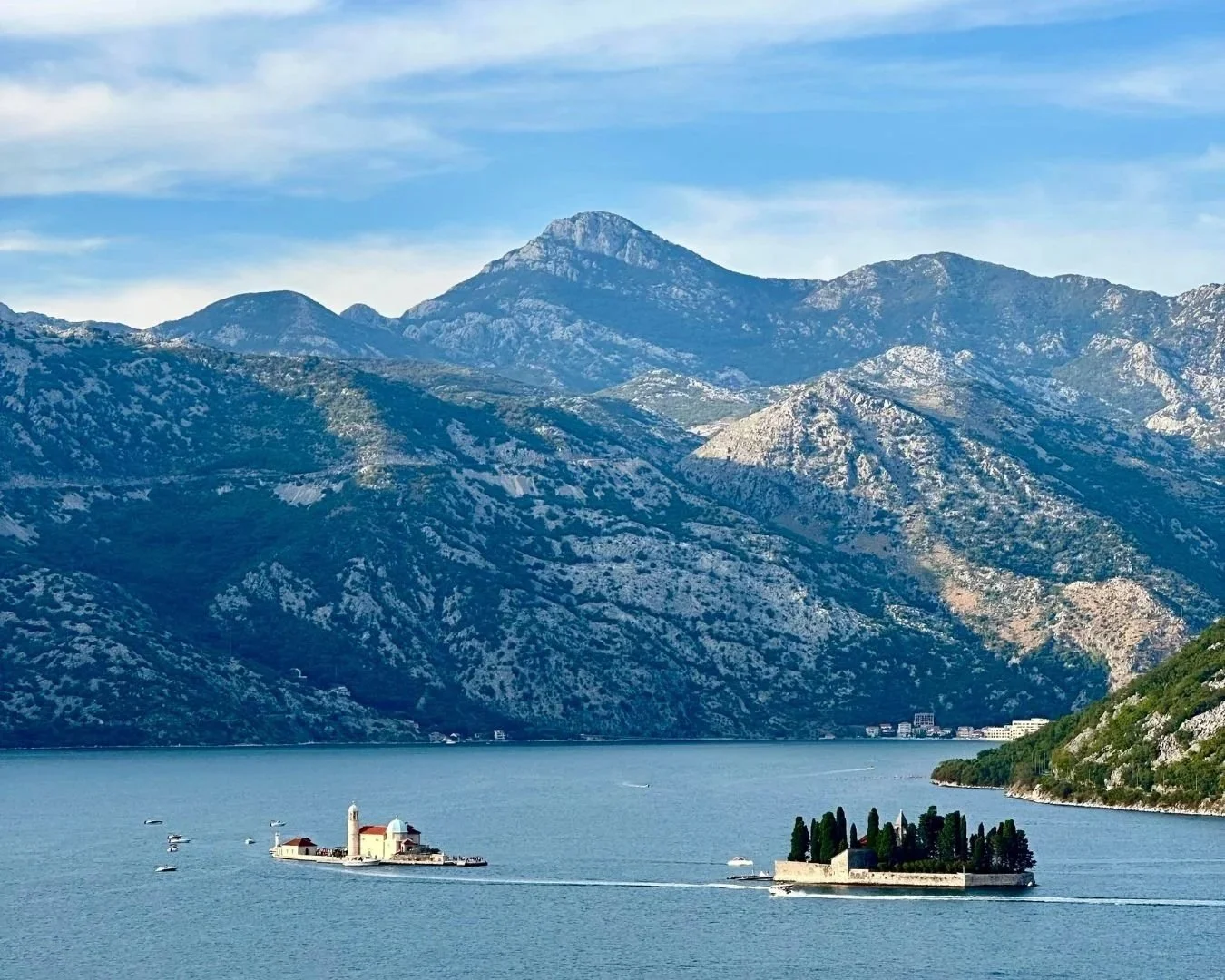
Our Lady of the Rocks, the famous island church in the Bay of Kotor.
St. Nicholas Church and Bell Tower
The Church of St. Nicholas dominates the skyline of Perast thanks to its bell tower rising above the town’s stone rooftops. Throughout the centuries, it served as an important spiritual center for the local community, but today it is equally notable for its position.
Its bell tower that is 55m tall and its silhouette have become one of the defining symbols of Perast, while the area around the church offers beautiful views of the coastline and the historic core of the town.
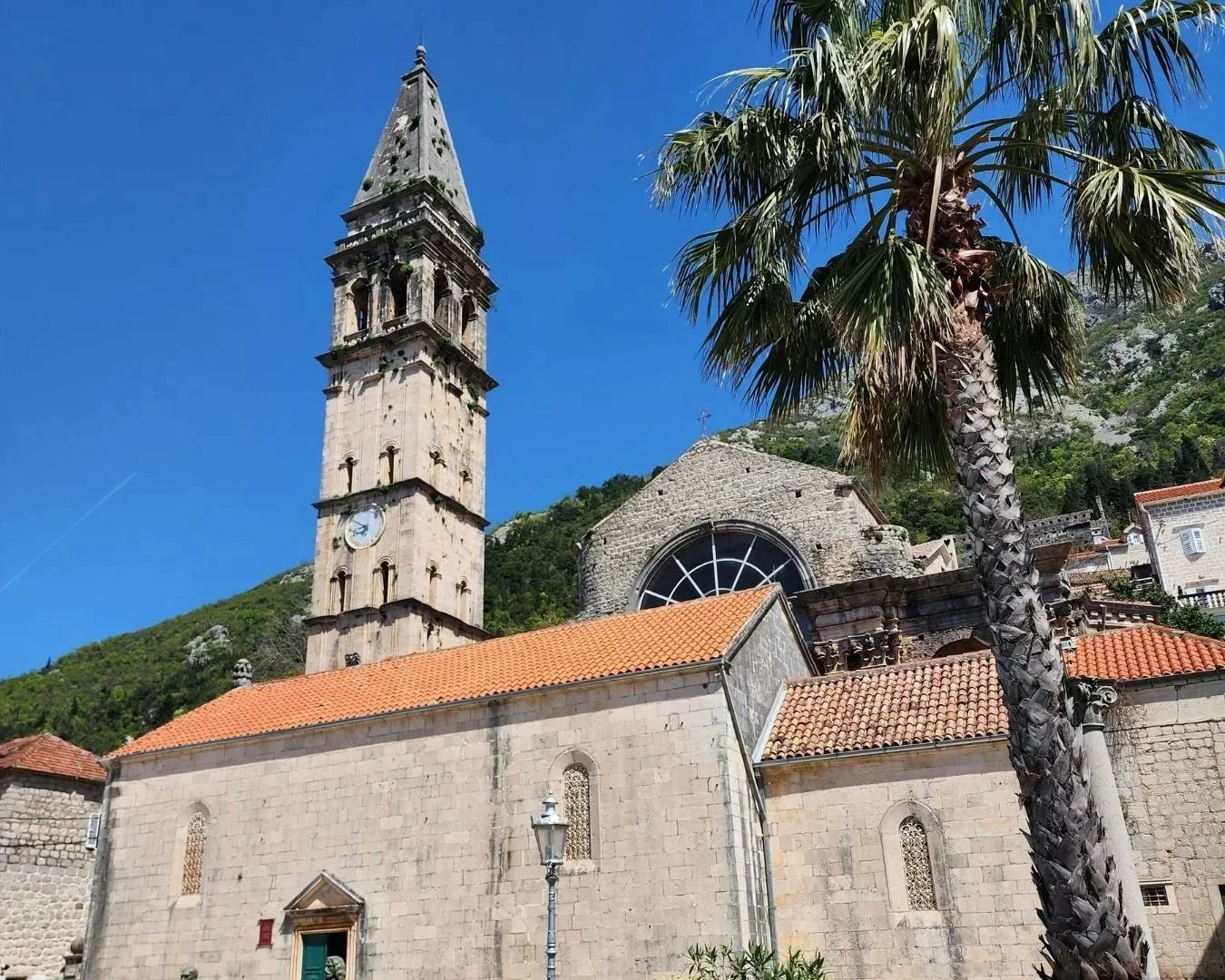
St. Nicholas Church and its iconic bell tower in the heart of Perast.
Perast’s Baroque Palaces
One of the reasons Perast feels different from other towns on the Montenegrin coast is the number of preserved Baroque palaces. During its most prosperous period, wealthy maritime families built impressive residences that reflected their status and connections across the Mediterranean. There are more then 19 palaces in this small town.
The Bujović Palace, Smekja Palace, and Balović Palace are just some of the buildings that reflect the time when Perast was an important maritime hub in the Adriatic. Even without entering them, walking past these structures gives a clear sense of the town’s former wealth.
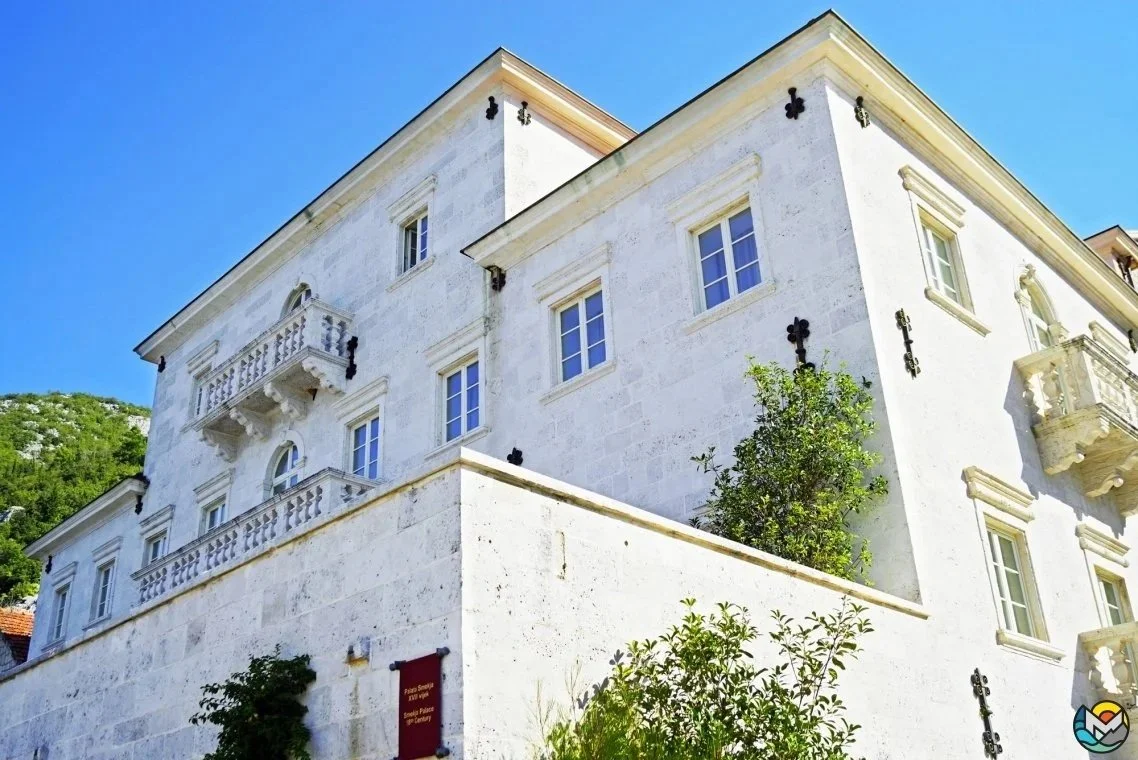
The Smekja family mansion, one of Perast’s finest Baroque palaces.
Foto:visit montenegro
The Waterfront Promenade
In Perast, there is no need to search for specific attractions in order to enjoy the town. A walk along the waterfront often becomes the highlight of the visit. Along the shore, small stone houses, historic palaces, moored boats, and restaurants overlooking the bay alternate in a continuous line.
Most popular coastal destinations move fast; here, everything slows down. Because of this, Perast is a place where it makes sense to take your time, whether for a long lunch, a coffee by the sea, or simply watching everyday life unfold along the waterfront.
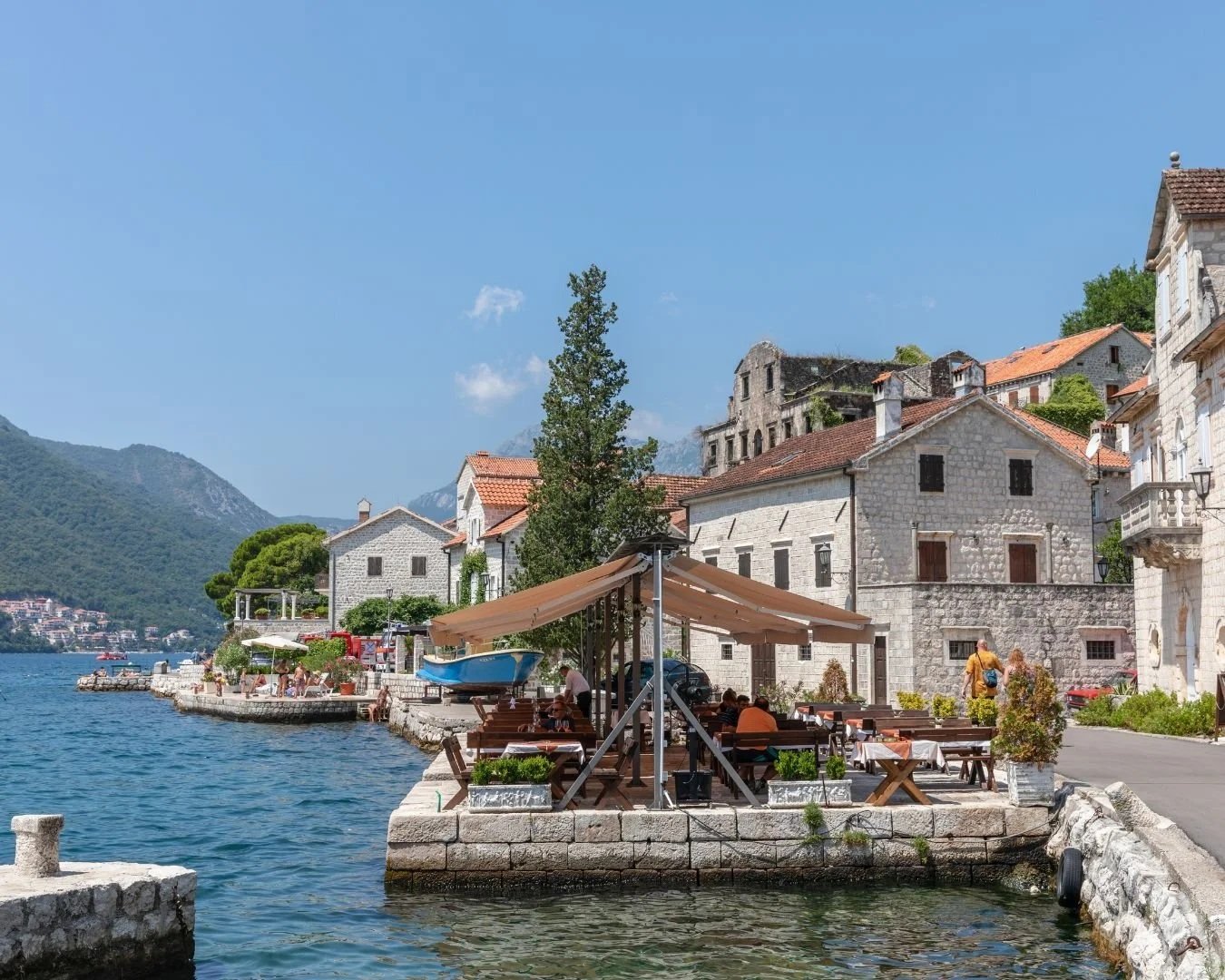
The picturesque town of Perast along the Bay of Kotor, known for its baroque architecture and seaside views.
Perast Town Museum (Bujović Palace)
Set inside the 17th-century Bujović Palace on the waterfront, the Perast Town Museum gathers maritime charts, ship models, portraits, and family heirlooms from the town’s seafaring elite. The building itself, with its arched loggia and sea-facing balcony, is often considered the finest Baroque palace in the entire Bay of Kotor.
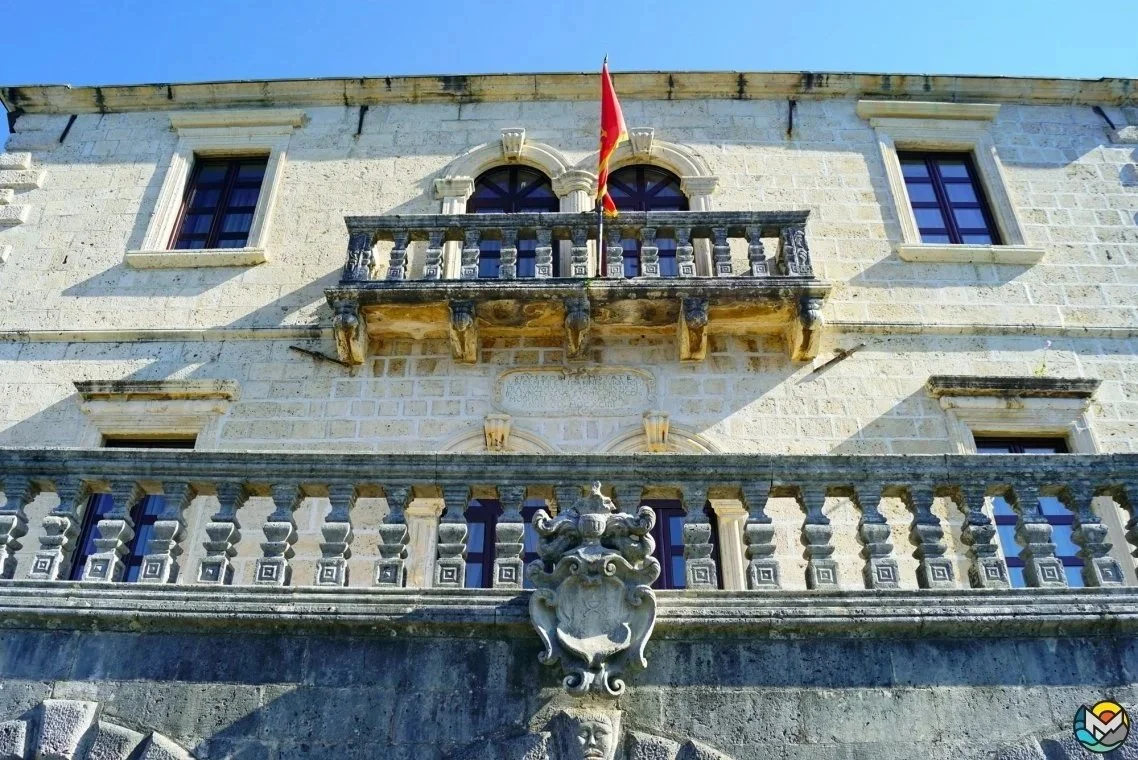
The Perast Town Museum located in the historic Bujović Palace, showcasing the town’s rich maritime history.
foto: Tatiana Torgonskaya
Why Visit Perast
Perast is ideal for travelers who want to experience a quieter side of the Bay of Kotor. While other towns draw attention with a wide range of activities, its greatest strength is the atmosphere that is difficult to find elsewhere along the coast.
Just take a walk along the promenade, sit in a restaurant, order wine & fish and watch as the time slows down, followed by some of the most beautiful views in the world.
Perast is also one of the best places to understand the maritime history of the Bay of Kotor. Through its architecture, churches, and palaces, it becomes easy to see how strongly the sea shaped the development of this part of Montenegro. It is a place where the experience is based more on simply observing the beauty of the space than on ticking off attractions, and that is where its greatest charm lies.
Best Time to Visit
Perast is especially beautiful in spring and early autumn, when temperatures allow for long walks along the waterfront and the town keeps its quieter character.
In summer, it becomes a popular stop for day trips from Kotor and other parts of the coast, so it can be noticeably busier during midday. Still, even then, it manages to maintain a more relaxed atmosphere than most other coastal destinations.
For the best experience, it is worth visiting early in the morning or later in the evening. The light is softer, the bay is calmer, and Perast reveals the side that has made it one of the most admired historic towns on the Adriatic.
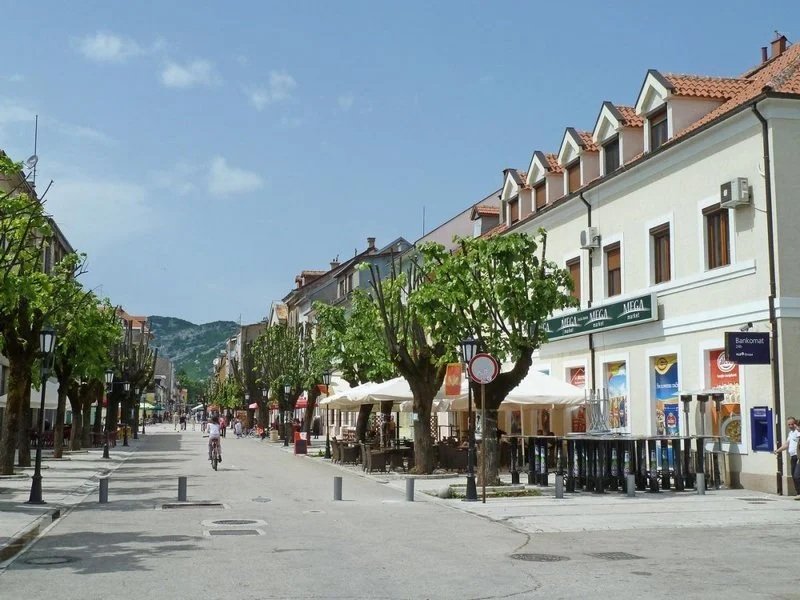
A quiet historic street in Cetinje
Foto: Globtour, Montenegro
Cetinje – Montenegro’s Historic Capital
Cetinje has a completely different character from the coastal towns that grew up along the sea and trade routes. Located at the foot of Mount Lovćen, this is a town that emerged as the political and cultural heart of Montenegro. Instead of maritime history and coastal fortifications, the story here is tied to statehood, royal residences, and the institutions that shaped the country’s modern identity.
Cetinje was for a long time the royal capital and the place where key political decisions were made. Although today it has a quieter rhythm and less urban intensity compared to the coast, its importance is still felt in the layout of institutions, museums, and architecture that carries traces of different historical periods.
The town is not large and can easily be explored on foot without rushing, but its value is not in the number of landmarks, but in their significance and context.
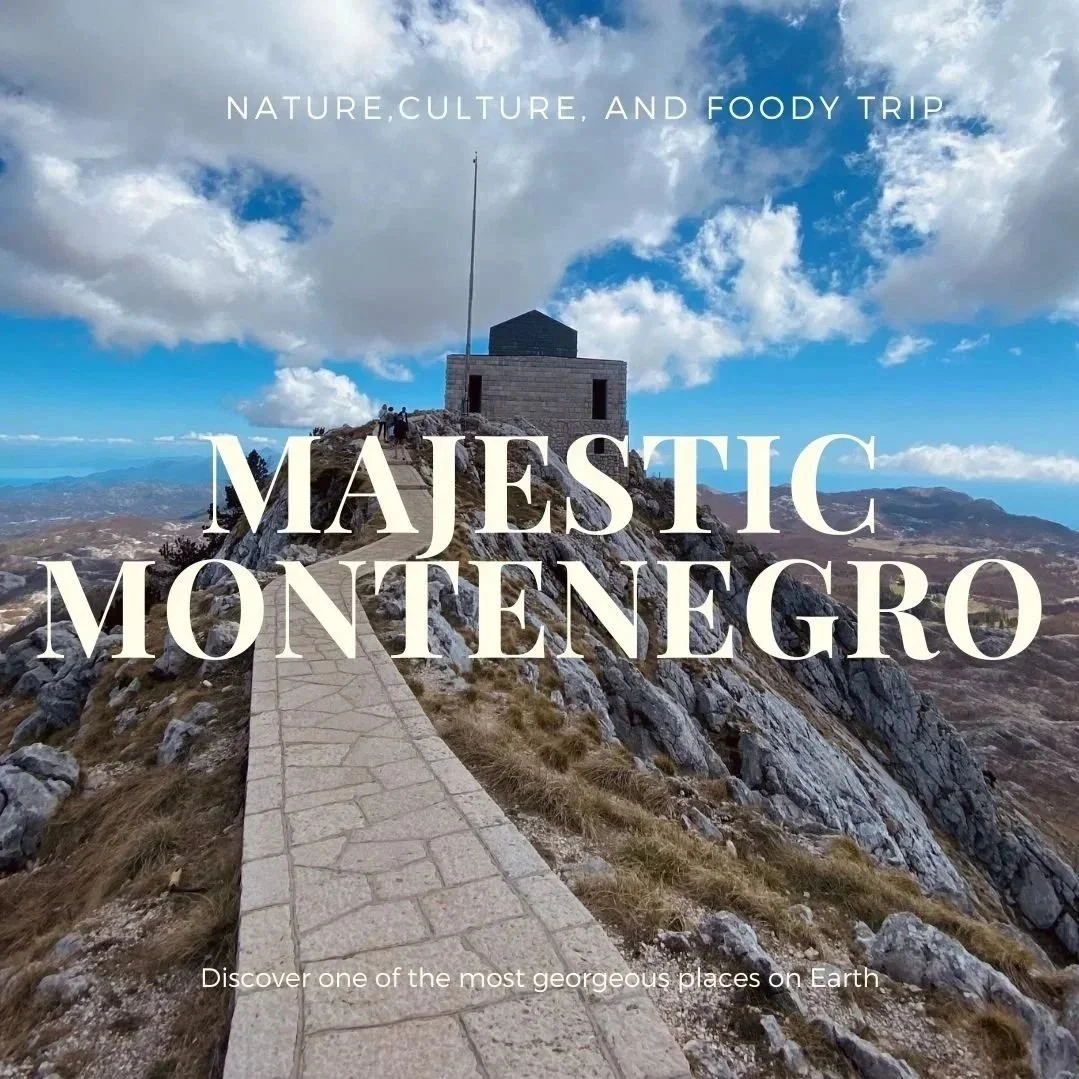
Scenic Montenegro tour to Lovćen National Park, Njeguši village, and the Njegoš Mausoleum with panoramic mountain views.
Top Things to See
Cetinje Monastery
The Cetinje Monastery is one of the most important spiritual sites in Montenegro. Founded in the end of 17th century, it served as the center of the metropolitanate and a place where the continuity of church and political authority was preserved through different historical periods.
The monastery houses valuable relics, including the right hand of Saint John the Baptist, which gives it special significance in the Orthodox world. Although the complex looks relatively modest from the outside, its role in the country’s history is extremely important.
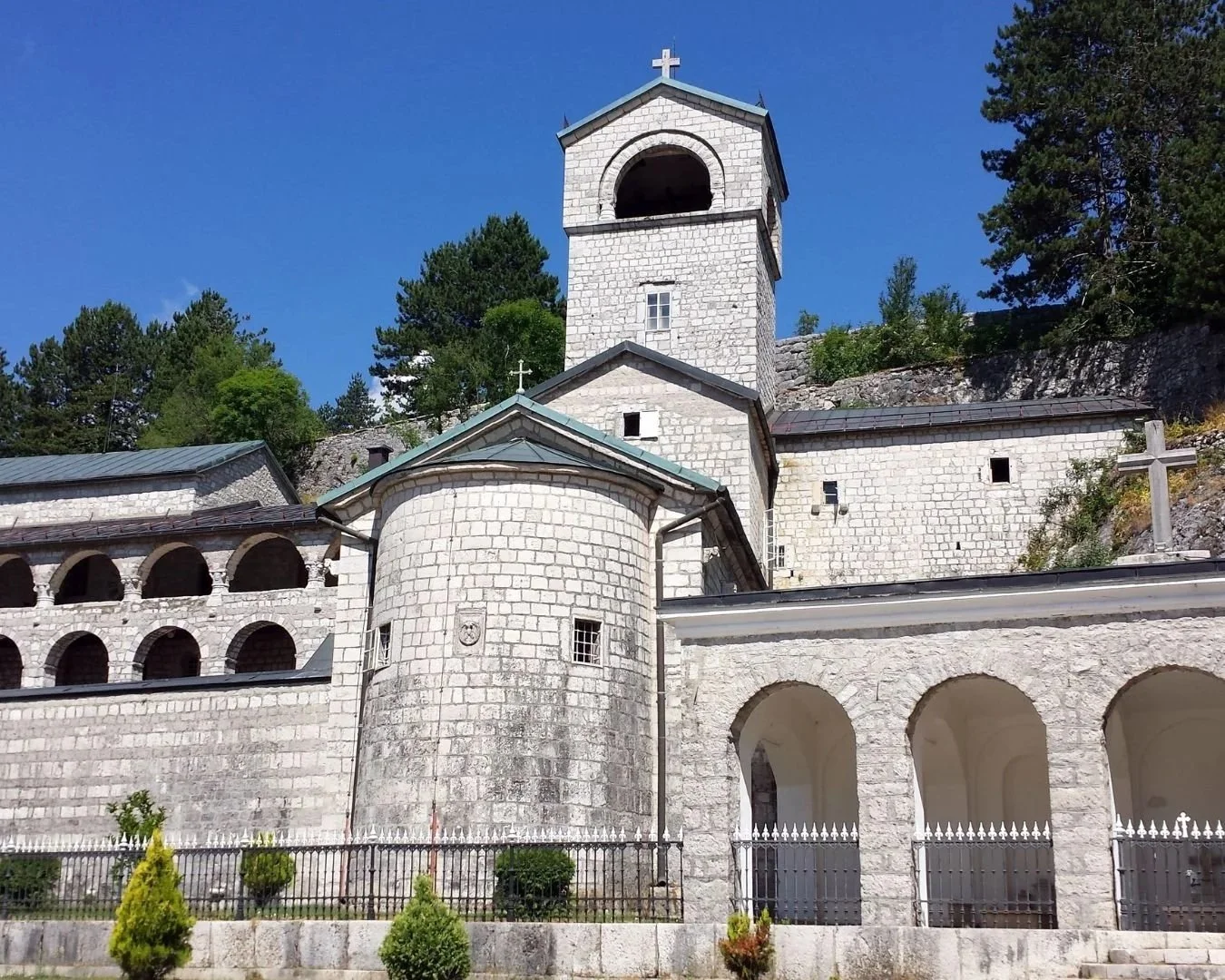
The Cetinje Monastery, one of the most important spiritual and historical landmarks in Montenegro.
National Museum of Montenegro
Several museums in Cetinje form a unique cultural complex that covers different aspects of Montenegrin history and art. Within the National Museum, there are collections that include archaeology, ethnography, and fine arts.
What makes it particularly interesting is that the museums are located in former royal and diplomatic buildings, so the setting itself adds to the understanding of the historical context.
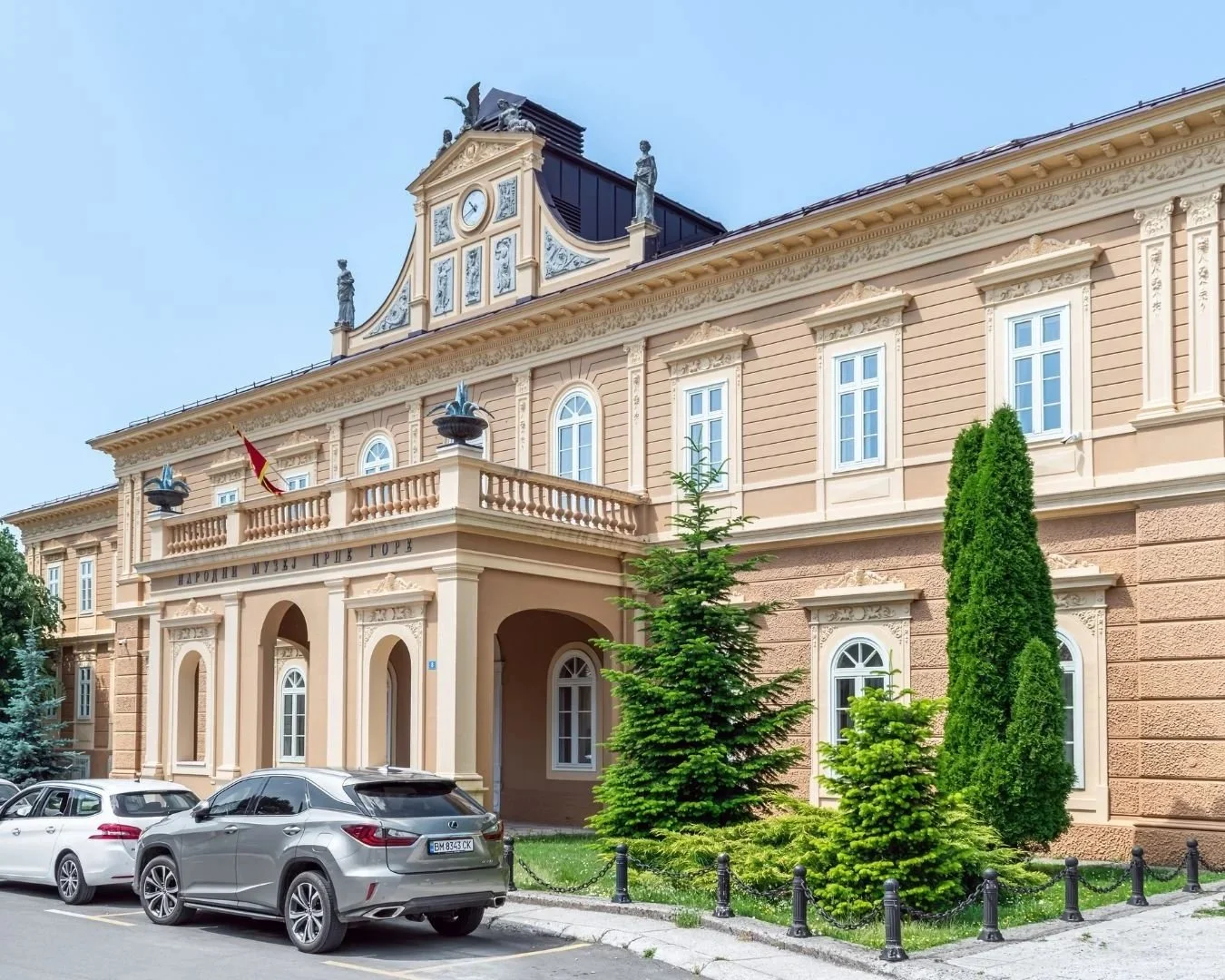
The National Museum of Montenegro in Cetinje, a key cultural institution preserving the country’s heritage.
King Nikola’s Palace
The former residence of King Nikola Petrović has now been turned into a museum that presents the life of the royal family and the political history of Montenegro before the beginning of the 20th century.
The interior has been largely preserved and offers insight into the lifestyle of the royal elite, while collections of photographs, weapons, and personal belongings further explain the period when Cetinje was the center of the state.
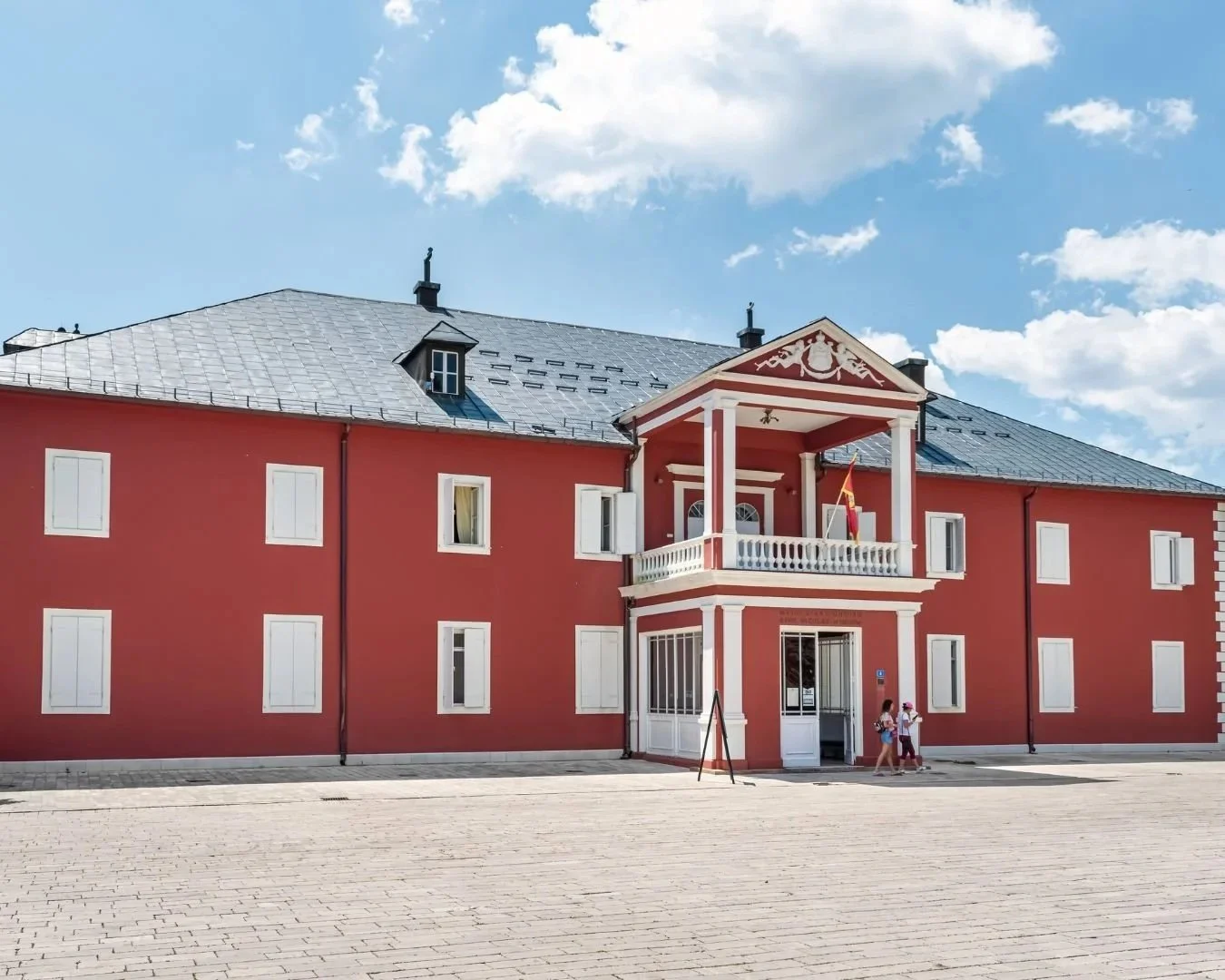
King Nikola’s Palace in Cetinje, a historic royal residence showcasing Montenegro’s royal past.
Blue Palace (Plavi dvorac - residence of the President of Montenegro)
The Blue Palace is one of the more representative buildings in the town, built in the early 20th century for the heir to the throne, Danilo. Today it serves as the residence of the President of Montenegro.
Although it is not always open to visitors, its façade and position in the town make it an important point in understanding Cetinje’s political history.
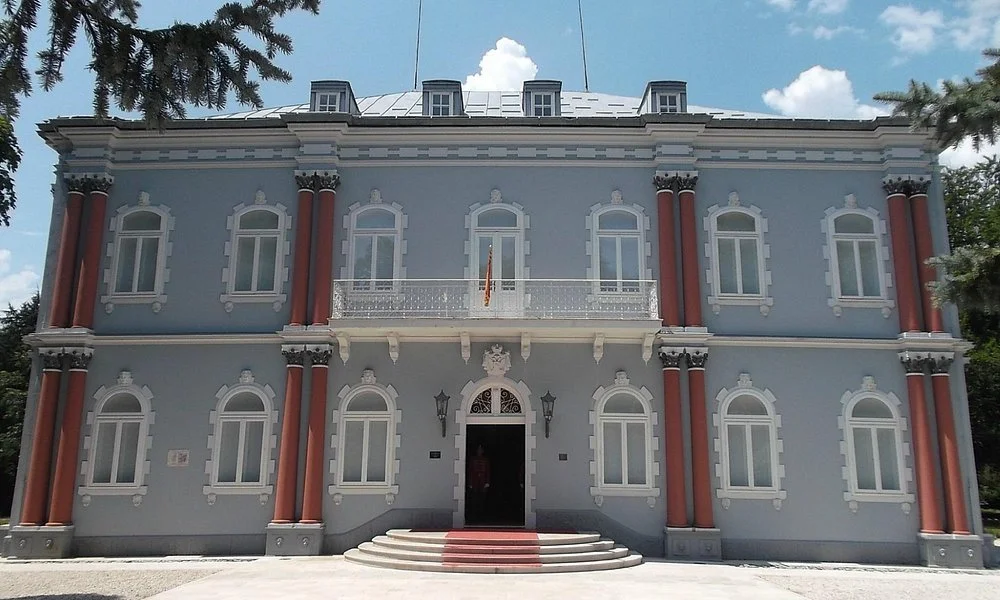
The Blue Palace in Cetinje, the official residence of the President of Montenegro.
Foto: Tripadvisor
Biljarda
Built in 1838 as the residence of Petar II Petrović-Njegoš, Biljarda takes its name from the billiard table once kept inside, one of the first in Montenegro. Today it houses the Njegoš Museum, including a large relief map of the country and personal belongings of the ruler who shaped much of Cetinje’s early identity. The best thing there - a billiard table which was brought from Kotor on a 42 switchback horse-road.It was a prized possession of the Prince-Bishop of Montenegro, Petar II Petrović-Njegoš.
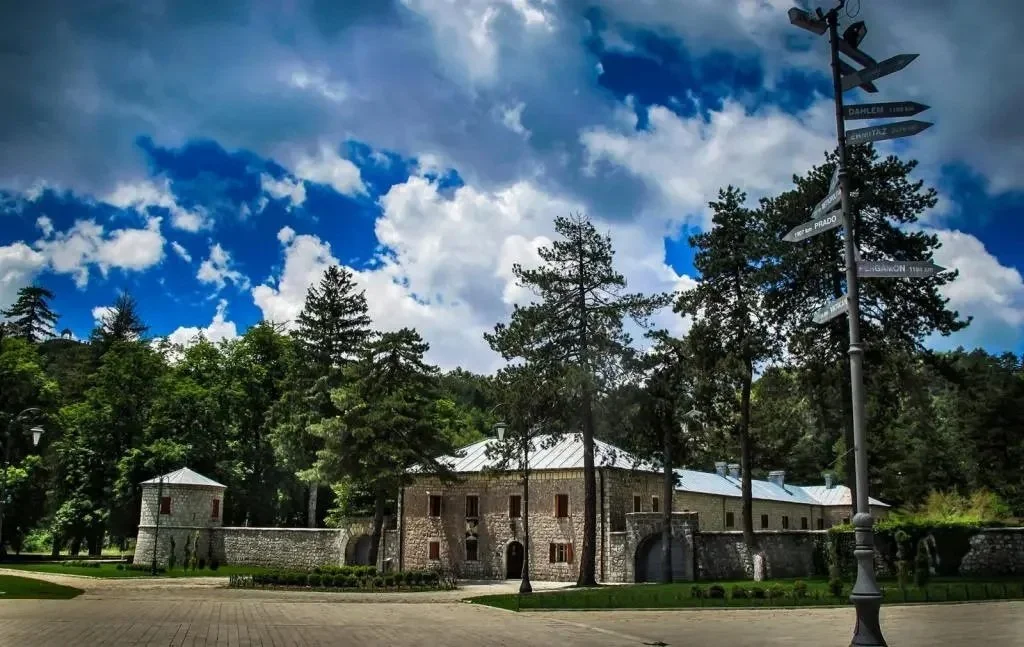
The historic Biljarda in Cetinje, former residence of Petar II Petrović-Njegoš.
Foto: Visit Montenegro
Why Visit
Cetinje is not a destination visited for a dynamic atmosphere or typical scenery, but it would be wrong to say it lacks character. The town sits in a wide valley surrounded by mountains, which gives it a completely different sense of space compared to the coast. This openness and calm often surprise visitors coming from more crowded tourist areas.
Its greatest value lies in its historical context and the role it played in shaping the Montenegrin state. This is a town that was long the political and cultural center of the country, so through its museums, former residences, and institutions, you can directly follow the development of national identity and regaining back our independence.
Coastal towns are experienced through walking, the sea, and street life; Cetinje is experienced more through content and context. Every building and institution carries a layer of history, so a visit here is more like slowly getting to know the story of a country than typical sightseeing.
Best Time to Visit
Cetinje can be visited throughout the year, but its atmosphere changes significantly depending on the season.
Summer is pleasant due to its proximity to the mountains and cooler temperatures compared to the coast, while spring and autumn offer the most balanced conditions for walking and museum visits.
In winter, the town takes on a completely different character, often wrapped in mist and colder air, which further emphasizes its historical and institutional tone, but makes it less dynamic for longer sightseeing walks.
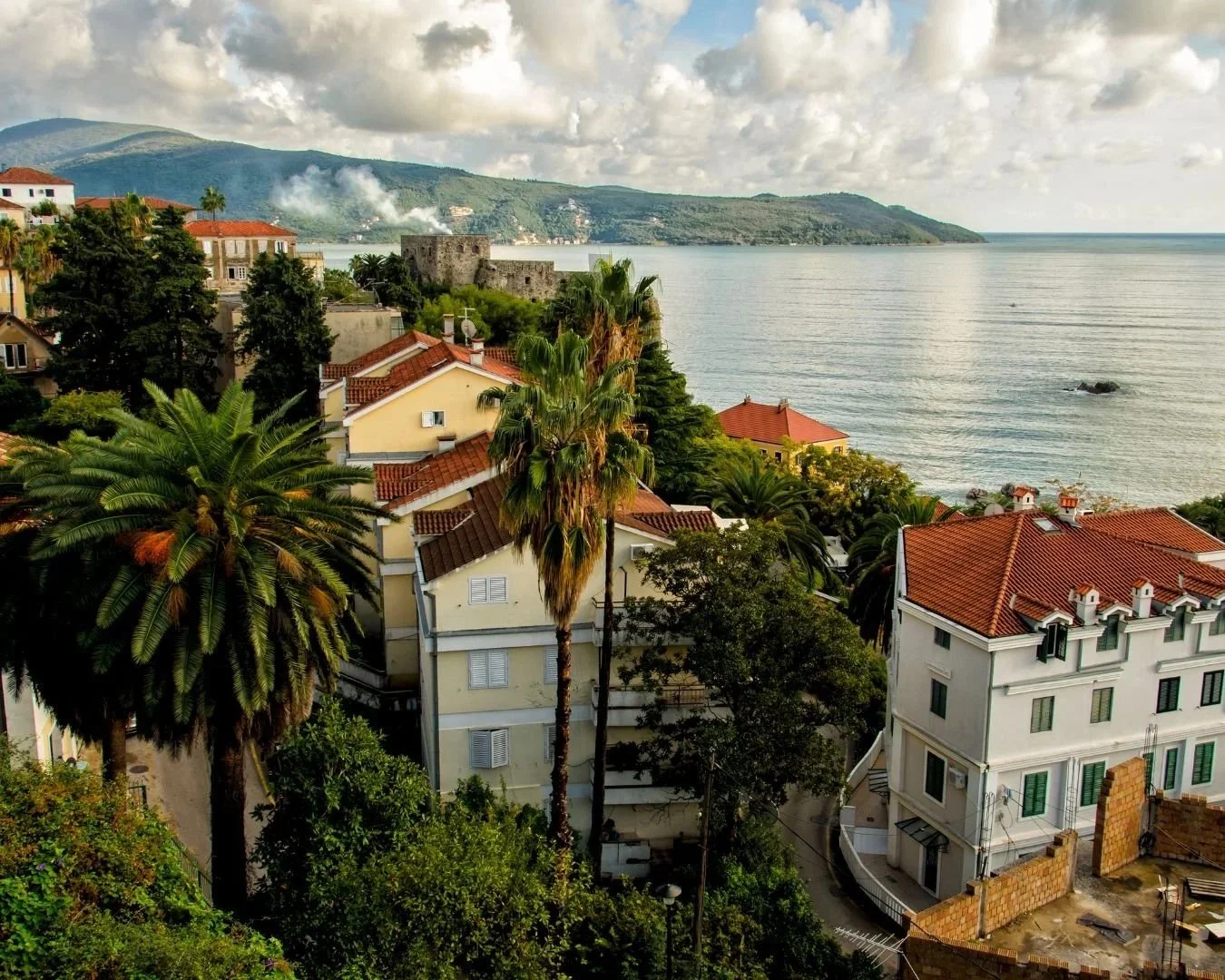
A scenic view of Herceg Novi.
Herceg Novi Old Town – The Town of Stairs and Fortresses
Herceg Novi stands out very quickly from the other towns in the Bay of Kotor, even at first arrival. Instead of a flatter coastal layout or compact historic cores, the town rises along steep slopes above the sea, so its entire pace of life is shaped by vertical movement. Stairs are not just a detail here, but a fundamental part of everyday life and the way different levels of the town are connected.
Throughout its history, Herceg Novi was under various administrations, which is reflected in the mix of influences visible in its fortresses, churches, and urban layout. However, unlike some other coastal towns, history here does not feel static, it is distributed across multiple levels of the town and often reveals itself only when you start climbing its streets.
Today, Herceg Novi is known for its more relaxed atmosphere and long seaside promenade, but the old town still preserves its character through fortresses that dominate the views and squares that connect different parts of the urban core, especially during various events throughout the year.
Top Things to See
Forte Mare
Forte Mare is one of the most important fortresses in Herceg Novi and is located right by the coastline. Its position clearly reflects the town’s historical role, as it controlled the entrance to the bay and maintained a direct connection to maritime routes.
Today, it is also used for cultural purposes, especially during summer, when open-air screenings and events are organized within the fortress. The view from its walls toward the sea and the entrance to the Bay of Kotor clearly shows the strategic importance of this location.
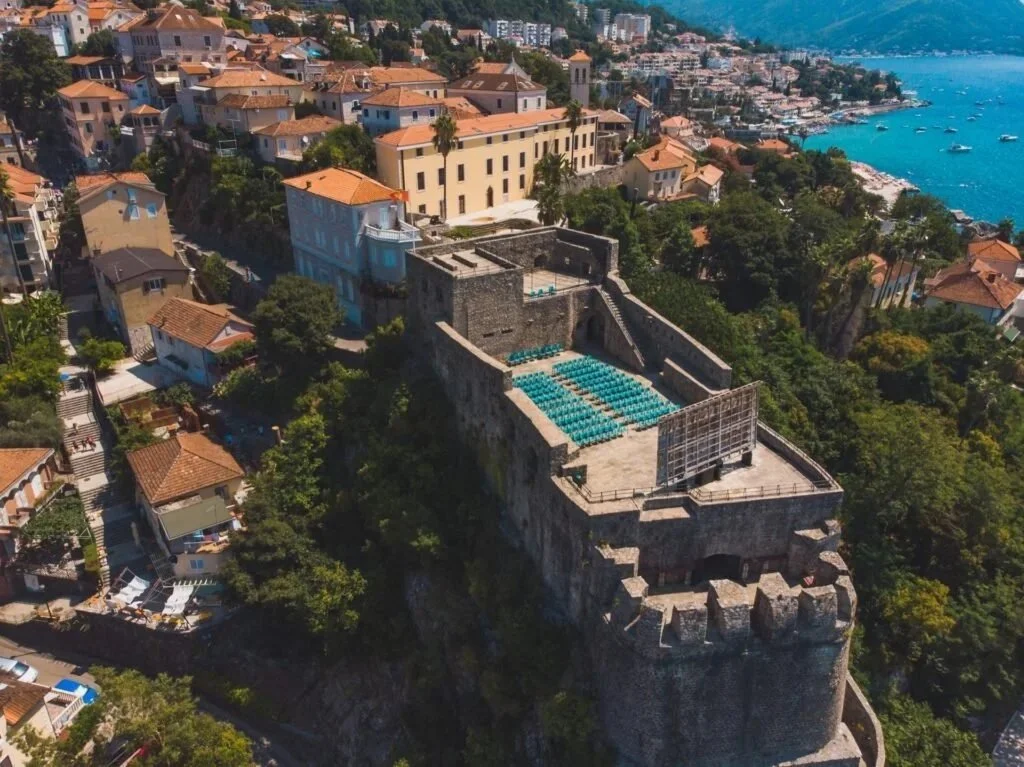
Forte Mare, a historic seaside fortress in Herceg Novi overlooking the Adriatic Sea.
Foto: Visit Montenegro
Kanli Kula
Kanli Kula is the largest and most impressive fortress in the town, located above the old urban core. Its name, originating from the Ottoman period, reflects part of its past, when it served as a prison.
Today it has a completely different role, within its walls there is an open-air summer stage that hosts concerts, festivals, and cultural events. From this point, there is a wide view over the entire bay, which further emphasizes its importance in the town’s urban landscape.
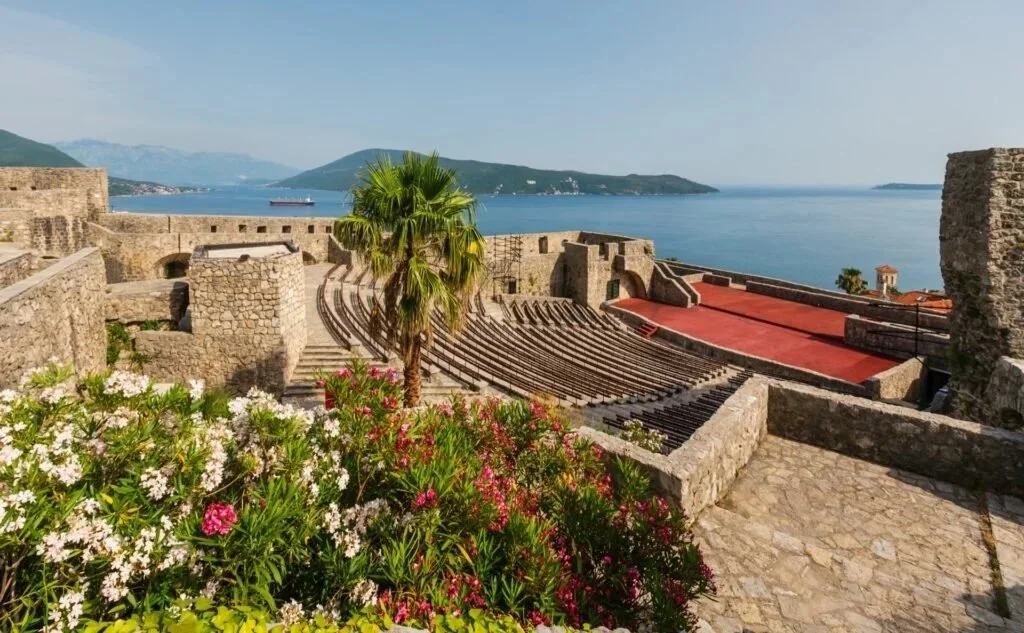
The historic Kanli Kula fortress in Herceg Novi.
Foto: Visit Montenegro
Belavista Square
Belavista Square is one of the liveliest parts of the old town. Surrounded by stone houses, cafés, and narrow passages, it naturally functions as a gathering point throughout the day.
The Church of St. Archangel Michael is located on the square, but its value is not only in individual buildings, but in the way the space is used and experienced. This is one of the few places in Herceg Novi where the blend of everyday life and historic surroundings is clearly visible.
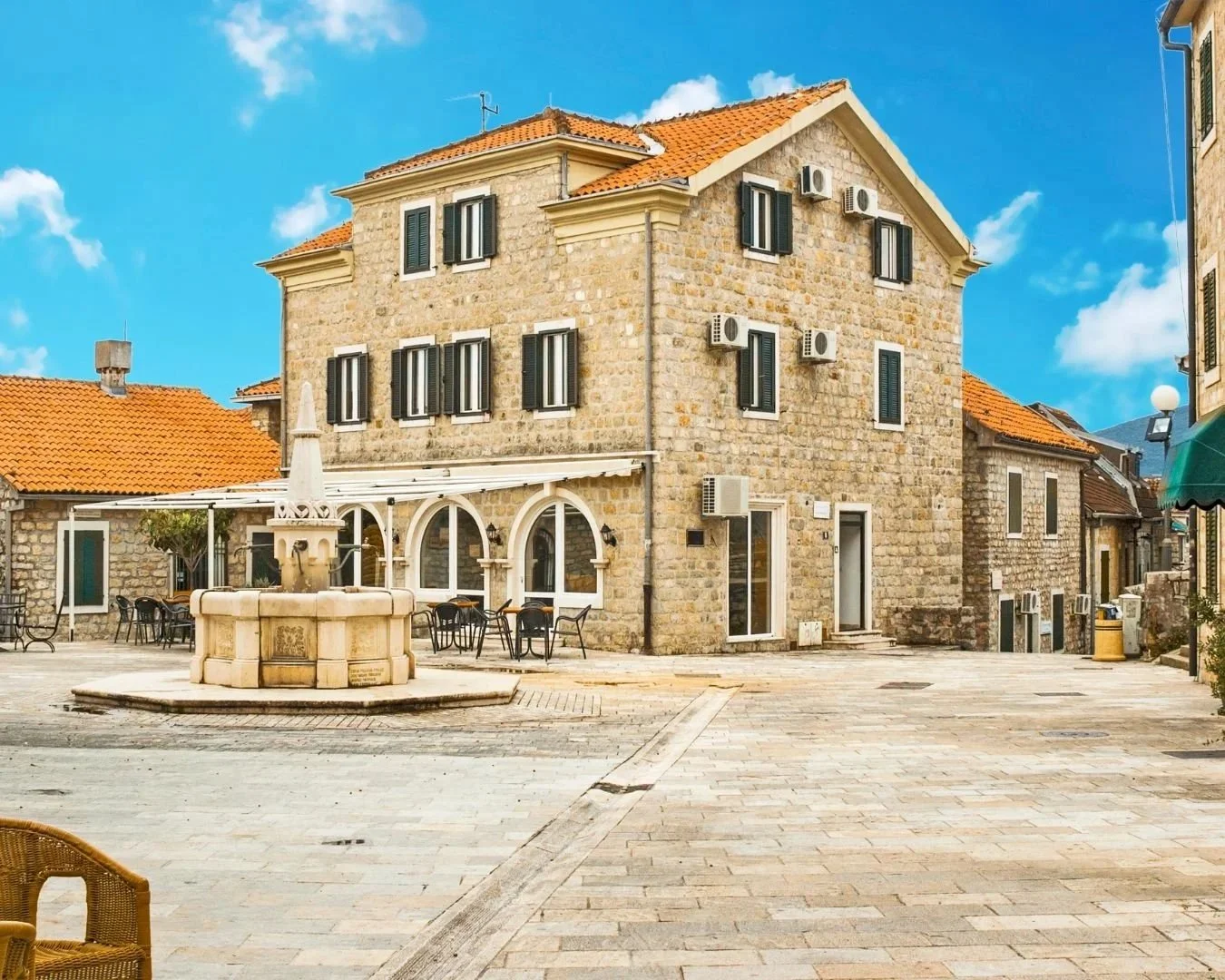
Belavista Square in Herceg Novi Old Town
Clock Tower (Sahat Kula)
The Clock Tower is one of the most recognizable landmarks of the old town and an important reference point in its vertical layout. It once marked the main entrance to the urban core and had an administrative function.
Today, it remains a central point of movement through the old town, connecting different levels and streets that branch toward the fortresses and the coastline.
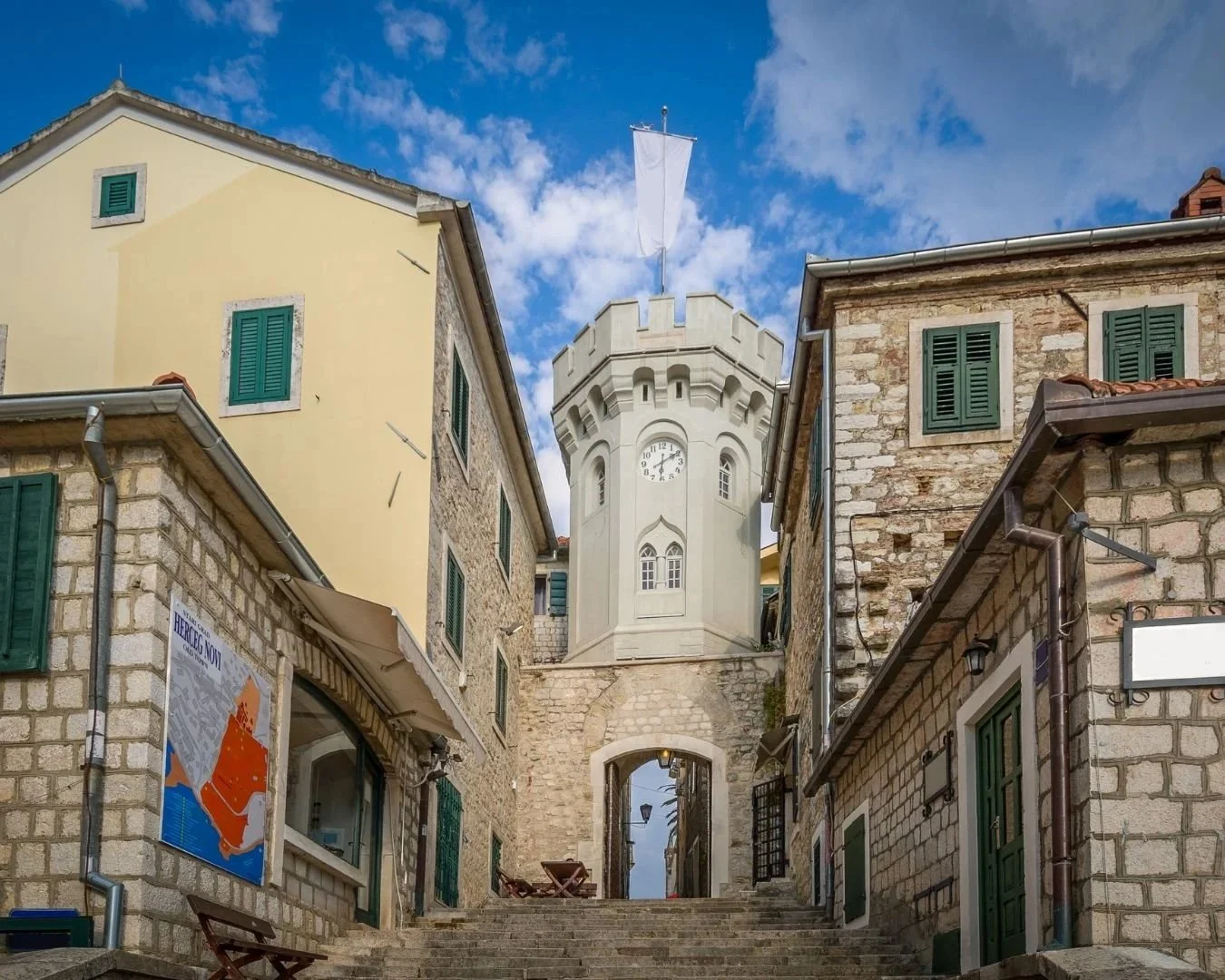
The historic Clock Tower, one of the most recognizable landmarks in Herceg Novi Old Town.
Spanjola Fortress
Spanjola Fortress sits on a hilltop above the old town and is reached by a short, steep walk or drive. Built and rebuilt by the Spanish, Ottomans, and Venetians over the centuries, it is now largely in ruins, but the climb is rewarded with one of the widest panoramas over Herceg Novi and the entrance to the Bay of Kotor.
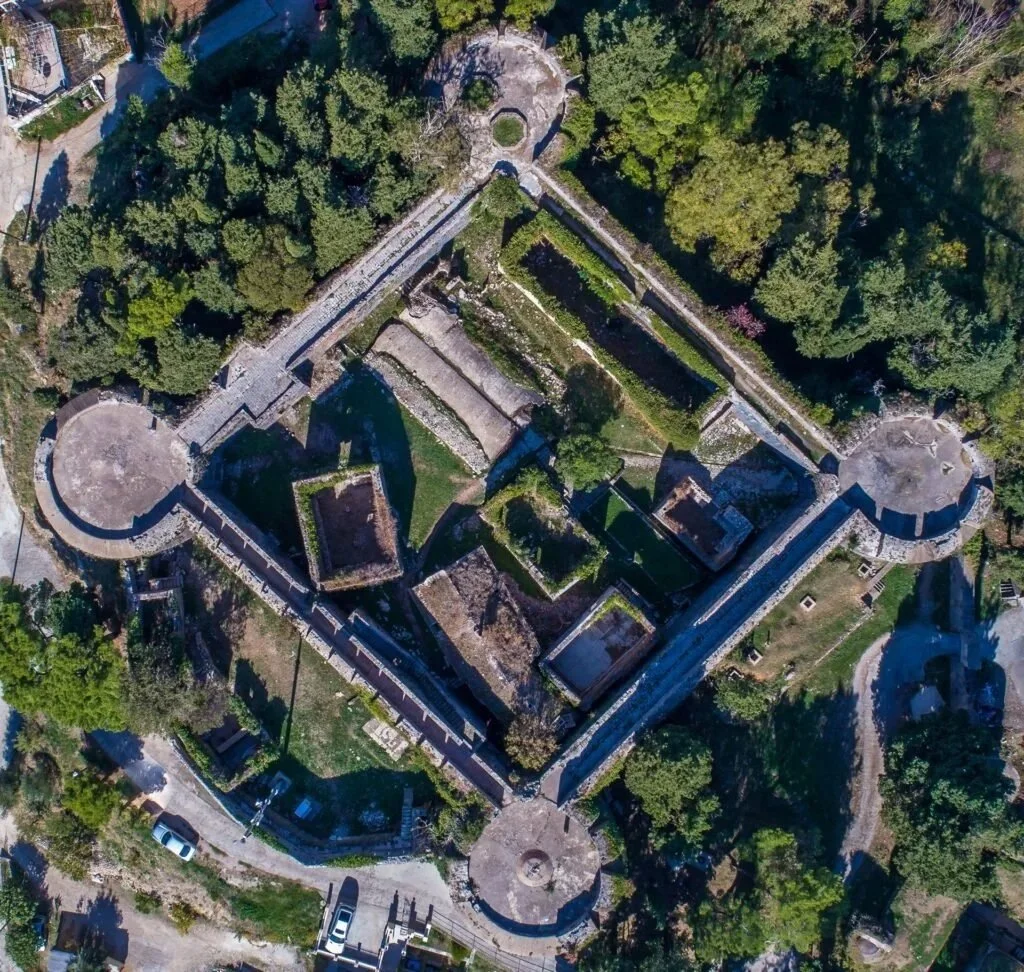
Španjola Fortress overlooking Herceg Novi with panoramic views of the Bay of Kotor.
Foto: Visit Montenegro
Why Visit Herceg Novi
Herceg Novi is ideal for travelers who want a town that does not reveal itself immediately, but gradually through movement and exploration. Its character is strongly tied to the landscape, climbing and descending through its streets becomes part of the experience just as much as the landmarks themselves.
Compared with more compact historic centers, the town reveals itself in stages. Each level offers a different perspective, whether it is a view of the bay, a small square, or a fortress above the city.
The mood also plays an important role, as it feels less formal than in some other towns in the Bay of Kotor. Herceg Novi is more lively and relaxed, with a strong local pulse that shows up in everyday spaces rather than only in tourist areas.
Best Time to Visit
The most pleasant period to visit Herceg Novi is from late spring to early autumn, but also in colder months such as October and November, when temperatures are suitable for climbing through the town’s streets and longer walks along the coast.
Summer brings the most events, especially in the fortresses, which become open-air cultural venues. However, due to the terrain, the warmer months can make sightseeing more physically demanding.
Spring and autumn offer a balance, enough warmth for exploration, but also a calmer atmosphere that allows you to experience the town without rush or crowds.
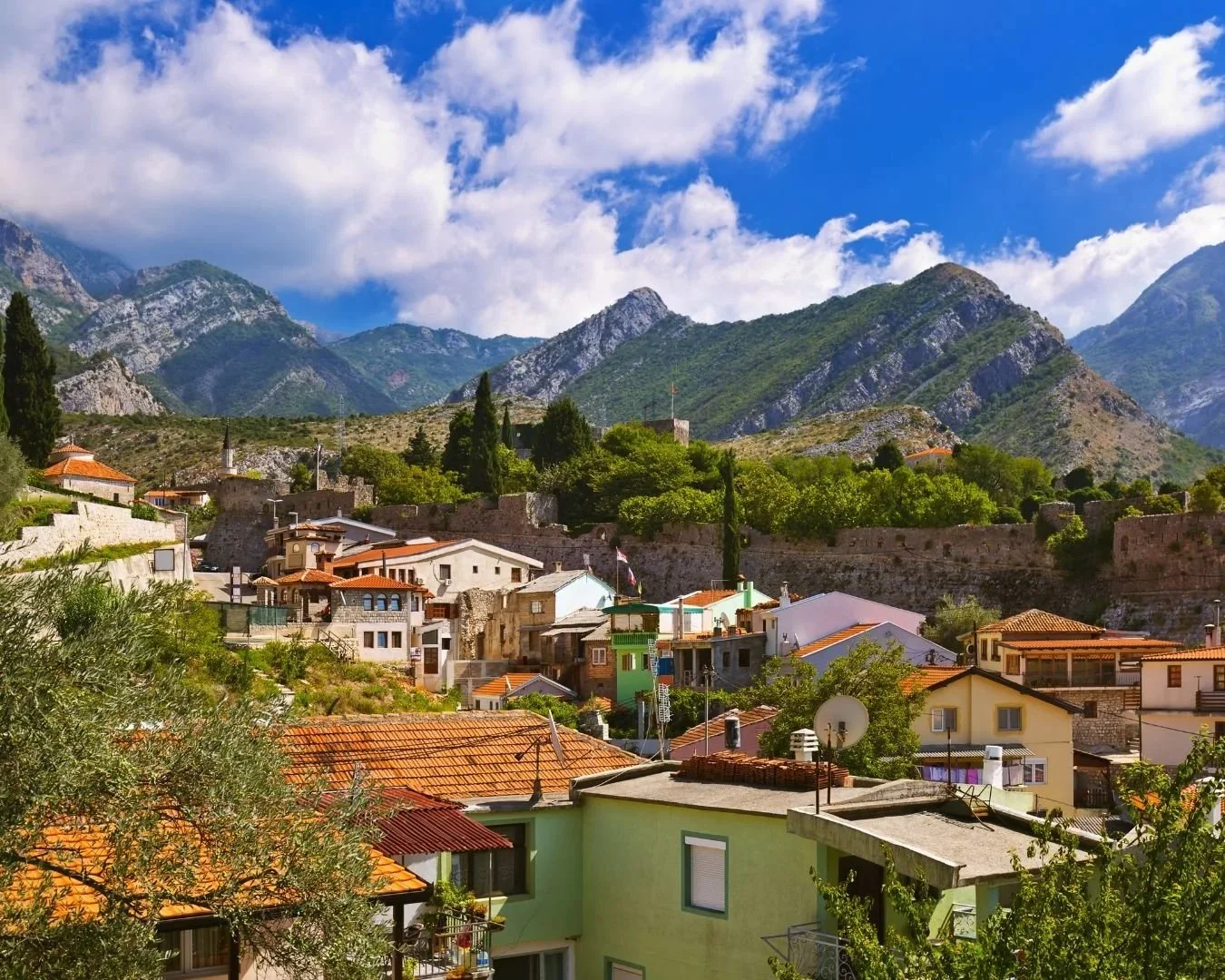
A scenic view of Bar, a coastal town on Montenegro’s Adriatic coast.
Bar Old Town – Where History Meets Everyday Life
Bar is one of the few towns in Montenegro that clearly shows two parallel stories: the historic Old Bar, located at the foot of Mount Rumija, and the modern coastal part of the city that developed around the port and shoreline. This division is not only geographical, but also experiential, a visit to Bar often feels like moving between two completely different environments within a short time.
Old Bar is located a few kilometers inland from the sea, which already sets it apart from most coastal towns in the country. Instead of a direct connection to the coastline, this part of the town developed as a fortified settlement in the interior, surrounded by olive groves and natural slopes. Today, it is an archaeological complex that preserves layers of different civilizations and historical periods, from medieval fortifications to traces of Ottoman architecture.
New Bar, on the other hand, has a completely different character, modern, open, and oriented toward the port, trade, and everyday life. This contrast is exactly what makes Bar unique compared to other towns along the Montenegrin coast.
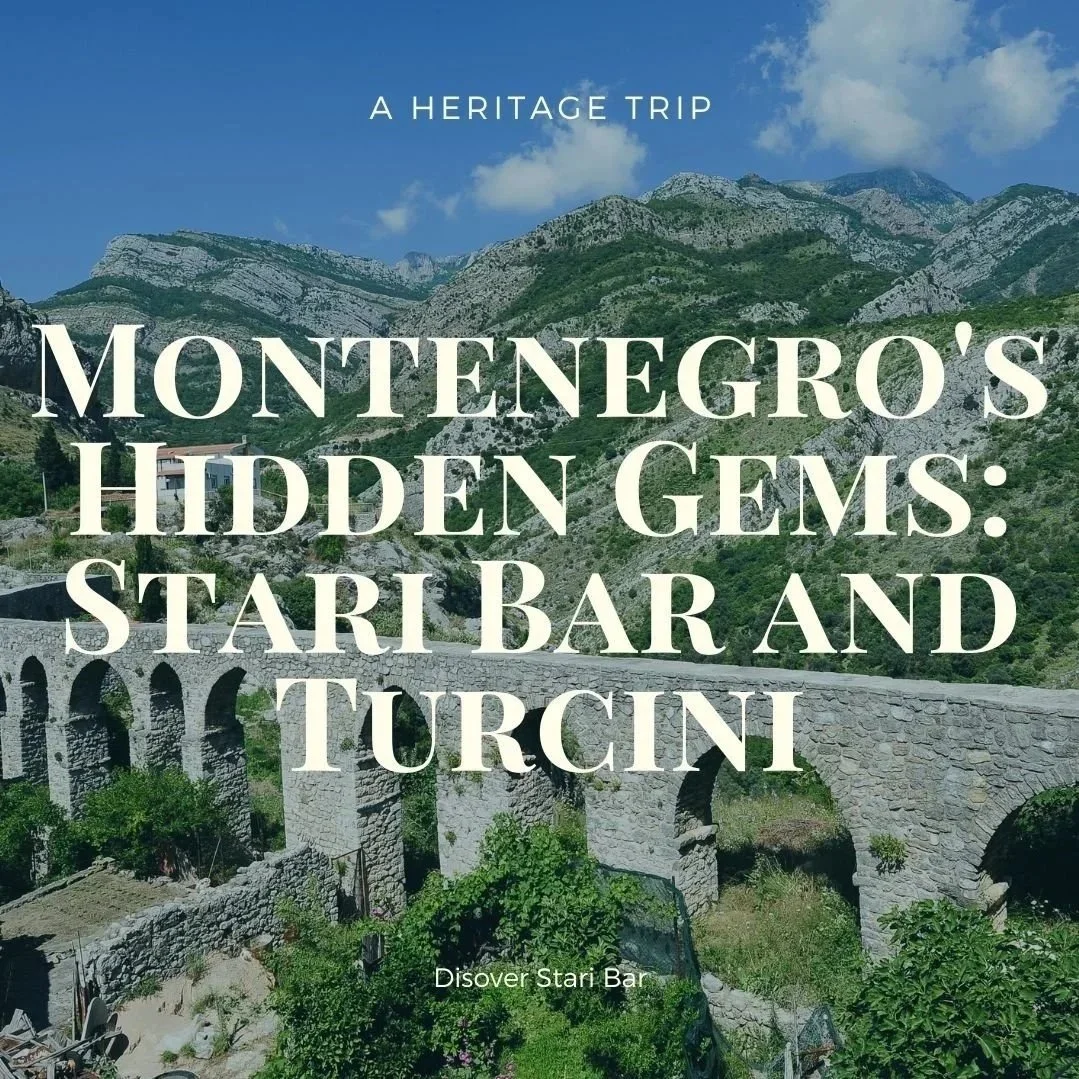
Explore southern Montenegro with a visit to Stari Bar, historic Ottoman ruins, and the scenic Turčini waterfall.
Top Things to See
Stari Bar Fortress
The fortress of Stari Bar is one of the most important archaeological sites in Montenegro. Located on a hill above the modern city, it served for centuries as an important defensive and administrative center.
Today, within its walls, you can see the remains of houses, churches, streets, and water supply systems that testify to the long continuity of life in this area. Rather than a restored old town, this is a site of authentic ruins, and the sense of centuries stacked one on top of another is hard to shake.
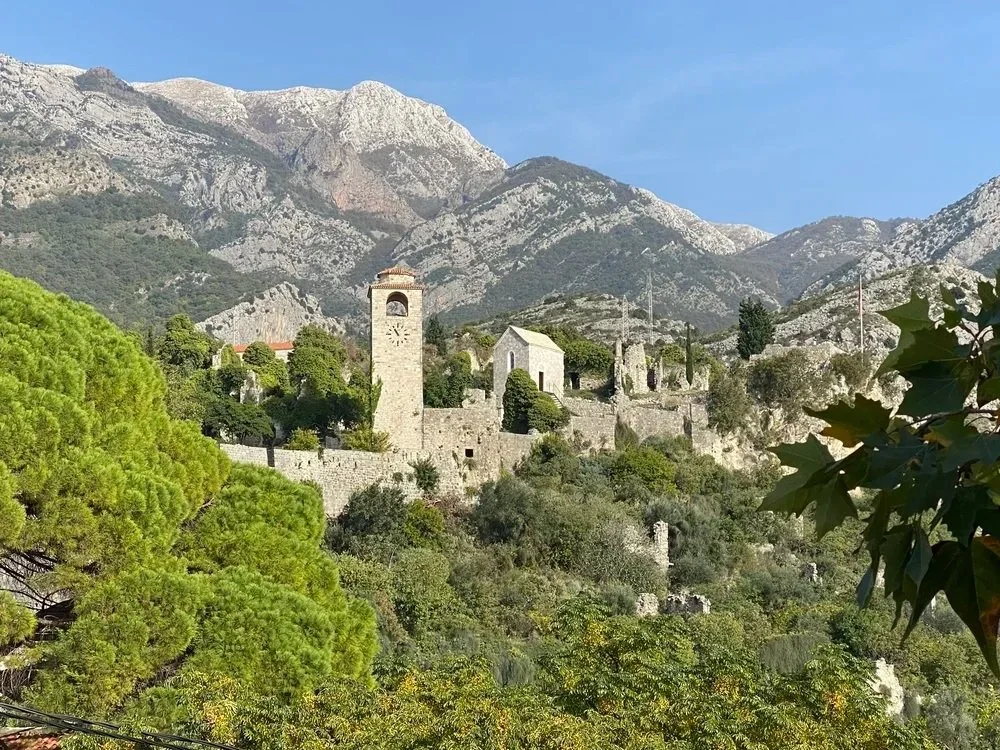
The historic Old Bar, an ancient town filled with stone streets, ruins, and centuries of history.
King Nikola’s Palace (Bar)
In the newer part of the city stands the summer residence of King Nikola Petrović, showing how Bar developed during the period of the modern Montenegrin state. The palace is now a museum space and preserves objects related to the royal family and the political history of the country.
Its seaside location further emphasizes the difference between Old Bar inland and the modern coastal part of the city.
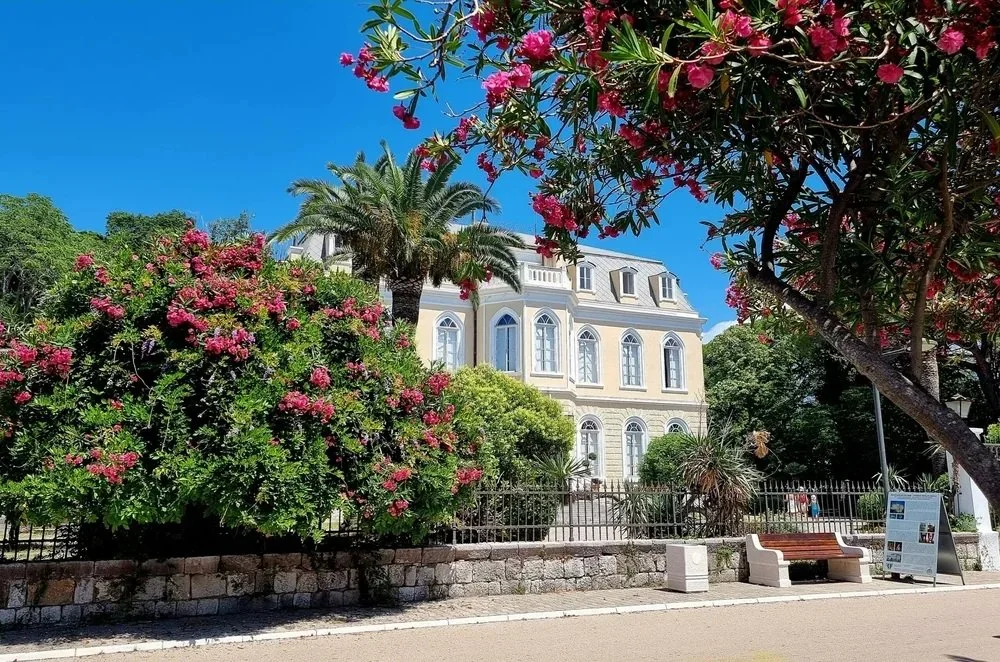
King Nikola’s Palace in Bar, a historic royal residence overlooking the Adriatic coast.
Old Olive Tree (Stara Maslina)
Near Old Bar stands one of the most famous natural landmarks of the area, the Old Olive Tree in Mirovica. It is estimated to be more than two thousand years old, making it one of the oldest olive trees in Europe - 2300 years old.
This site is not only a natural attraction but also a symbol of long continuity of life in the Bar region.
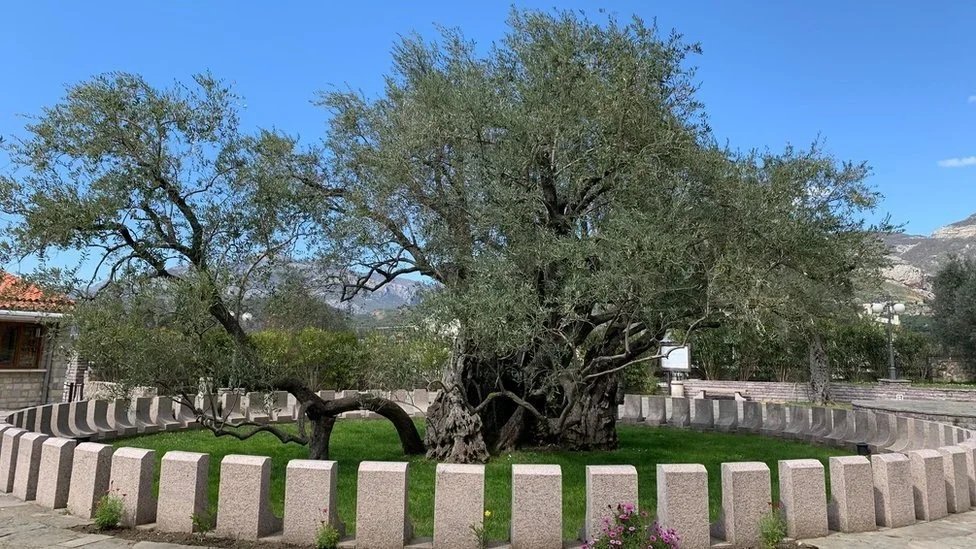
The Old Olive Tree in Bar, one of the oldest olive trees in the world.
Bar Marina & Waterfront
The modern part of Bar is centered around the port and marina, where the daily life of the city unfolds. The waterfront promenade offers a completely different experience compared to Old Bar, open, modern, and closely connected to the sea through activities, restaurants, and local transport.
This is the part of the city where its current role as an administrative and transport hub of the Montenegrin coast becomes most visible.
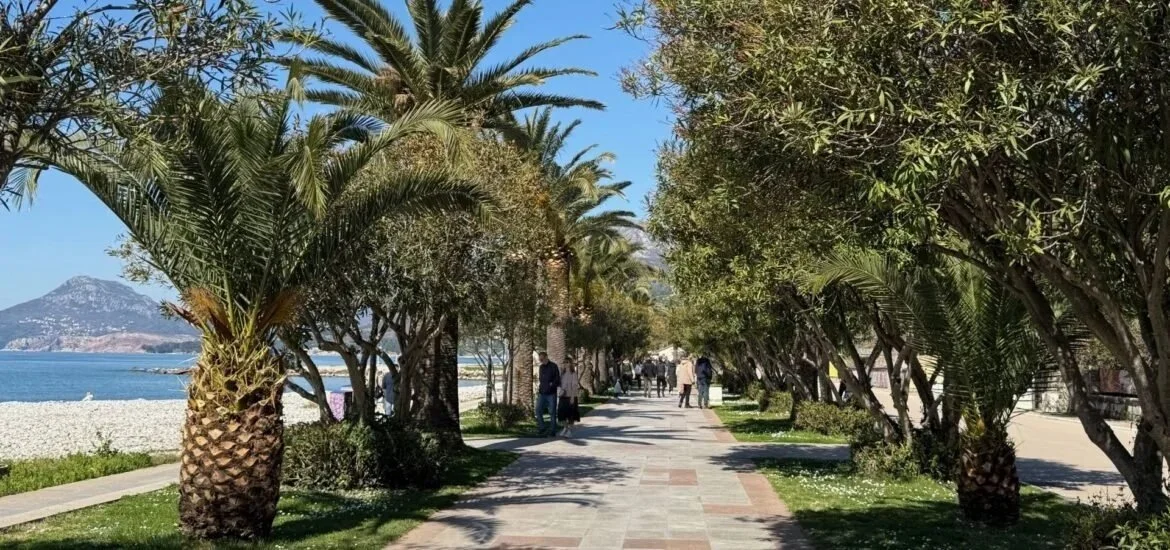
The waterfront promenade in Bar with scenic views of the Adriatic Sea.
Cathedral of the Immaculate Conception
Bar’s Cathedral of the Immaculate Conception is, together with St. Tryphon’s in Kotor, one of only two Roman Catholic cathedrals in Montenegro. Located in the modern part of the city rather than the ruins of Stari Bar, it offers a quieter, more contemplative stop and a reminder that Bar’s story extends well beyond its old fortress walls.
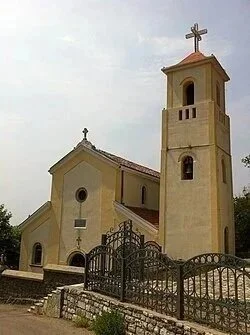
The Cathedral of the Immaculate Conception, a prominent religious landmark in Bar.
Foto: Triadavisor
Why Visit Bar and Stari Bar
Bar is ideal for travelers who want to see multiple layers of Montenegrin history in one place, without a uniform tourist identity. Its uniqueness lies in the contrast between Old Bar and the modern coastal area, allowing you to experience two completely different atmospheres in a single day.
Bar has a broader function than towns built solely around a historic core or a tourist waterfront, with an authentic everyday city life that is not based only on tourism. This everyday pulse gives it a different character compared to other destinations in this guide.
Best Time to Visit
Bar can be visited throughout the year, but the most pleasant period is from late spring to early autumn, when temperatures are suitable both for exploring Old Bar and walking along the coast.
In summer, the city has a more active rhythm, especially in the waterfront and marina area, while Old Bar is best visited in the morning or late afternoon due to the open terrain and sun exposure.
Spring and autumn offer the best balance, fewer crowds, stable temperatures, and enough time to experience both parts of the city without rushing.
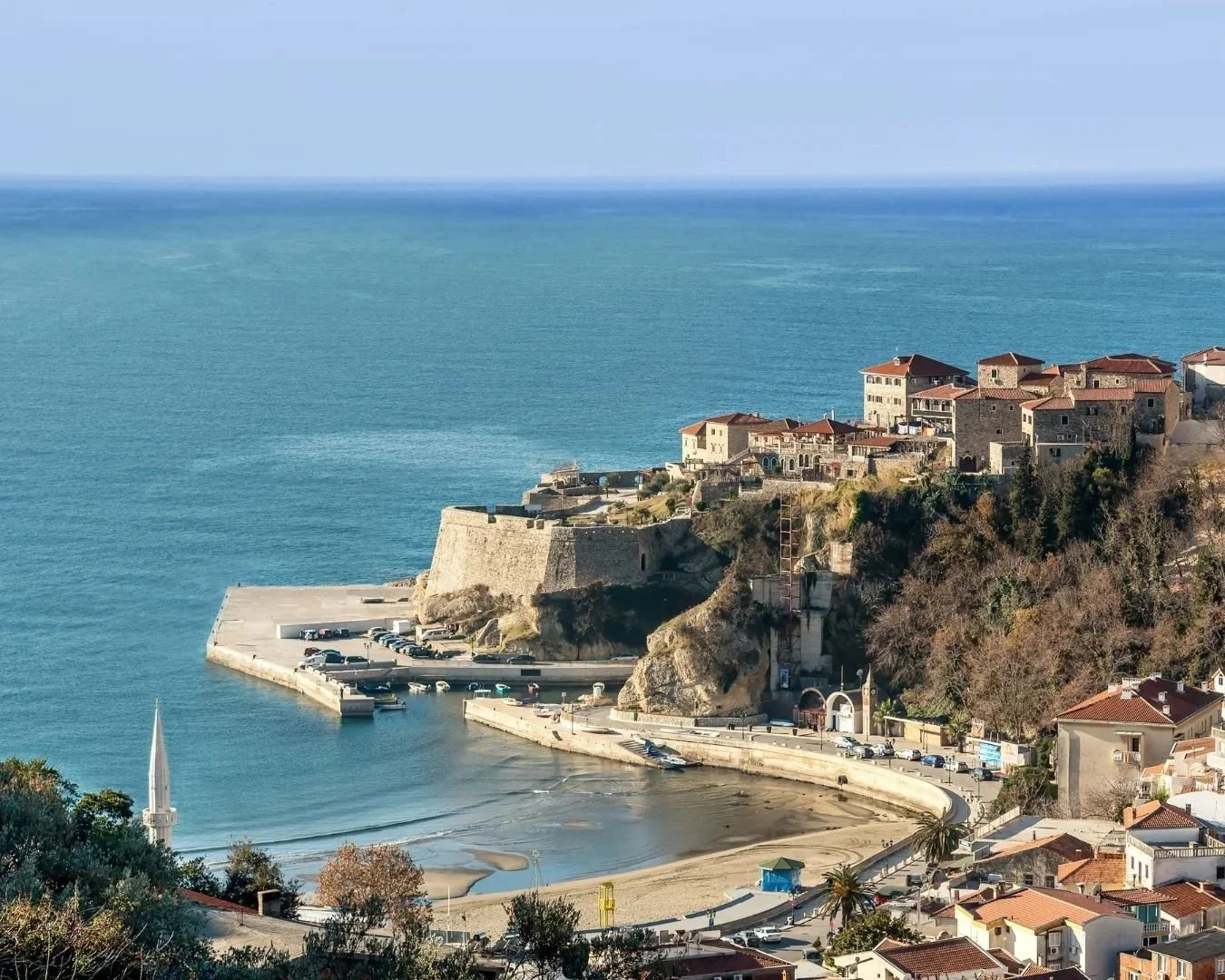
A scenic view of Ulcinj, a historic coastal town on Montenegro’s southern Adriatic coast.
Ulcinj Old Town – A Blend of Cultures
Ulcinj is the southernmost historic town on the Montenegrin coast and at the same time one of the most diverse in character. Its Old Town is set on a rocky peninsula above the sea, but what truly sets it apart is not only its position, but the strong blend of cultural influences that have layered here over centuries.
Ulcinj has a pronounced Oriental layer that sets it apart from the northern coastal towns, felt in its architecture, street layout, and everyday life. A long period of Ottoman rule left a mark that is still visible today in the details, as well as in the mood of the old core, unlike anywhere else on the Adriatic coast.
The town was also an important maritime and trading point throughout history, so its development combines Mediterranean, Balkan, and Oriental influences, making it one of the most layered towns in Montenegro.
In addition to its cultural and historical significance, the wider Ulcinj area is also recognized as an important birdwatching destination, especially due to its natural wetlands and biodiversity.
Top Things to See
Ulcinj Old Town Fortress
The Old Town of Ulcinj is a complex of stone houses, passages, and walls stretching across a hill above the sea. Its structure developed gradually through different periods of rule and cultural influence, which is visible in the way the streets are arranged and how the space evolved.
Walking through the Old Town reveals a series of small squares and viewpoints overlooking the open sea and coastline. More uniform historic centers blend everything together; here, the mix of architectural styles is easy to spot.
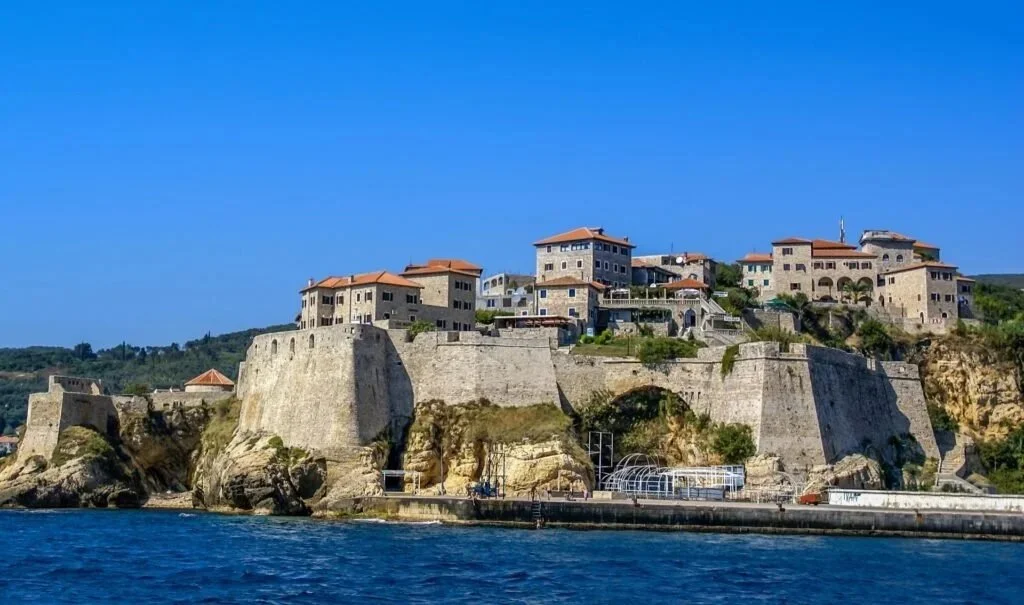
The historic Ulcinj Old Town Fortress overlooking the Adriatic Sea with its stone walls and coastal views.
Foto: Visit Montenegro
Balšića Tower
Balšića Tower is one of the most important historical structures in Ulcinj and dates back to the period of the Balšić dynasty. Over the centuries, it has served different functions, from defensive to administrative, and today it is used as a cultural and exhibition space.
Its position within the Old Town makes it one of the key landmarks, and the view from it opens toward the entire historic core and the coastal part of the city.
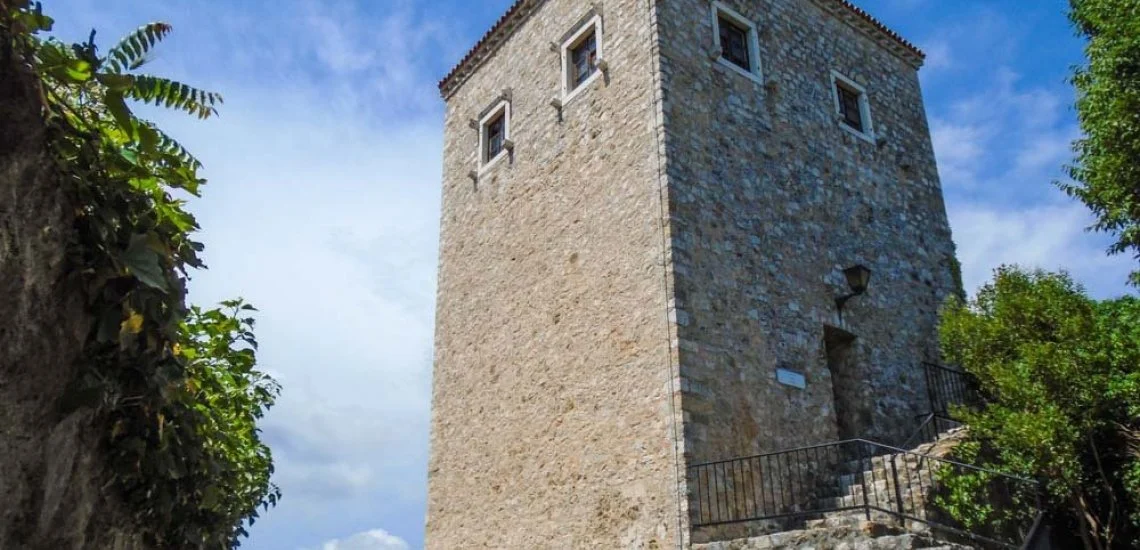
The Balšić Tower in Ulcinj Old Town, a historic stone tower overlooking the Adriatic coast.
Foto: montenegrofortravellers
The Old Bazaar Area
At the base and within the Old Town lies an area that resembles a traditional bazaar. Small shops, craft spaces, and local products are part of everyday life here and give this part of the town a distinct rhythm.
This area is especially interesting because it shows the continuity of trading tradition, as well as the way it has adapted to modern tourism without losing its local character.
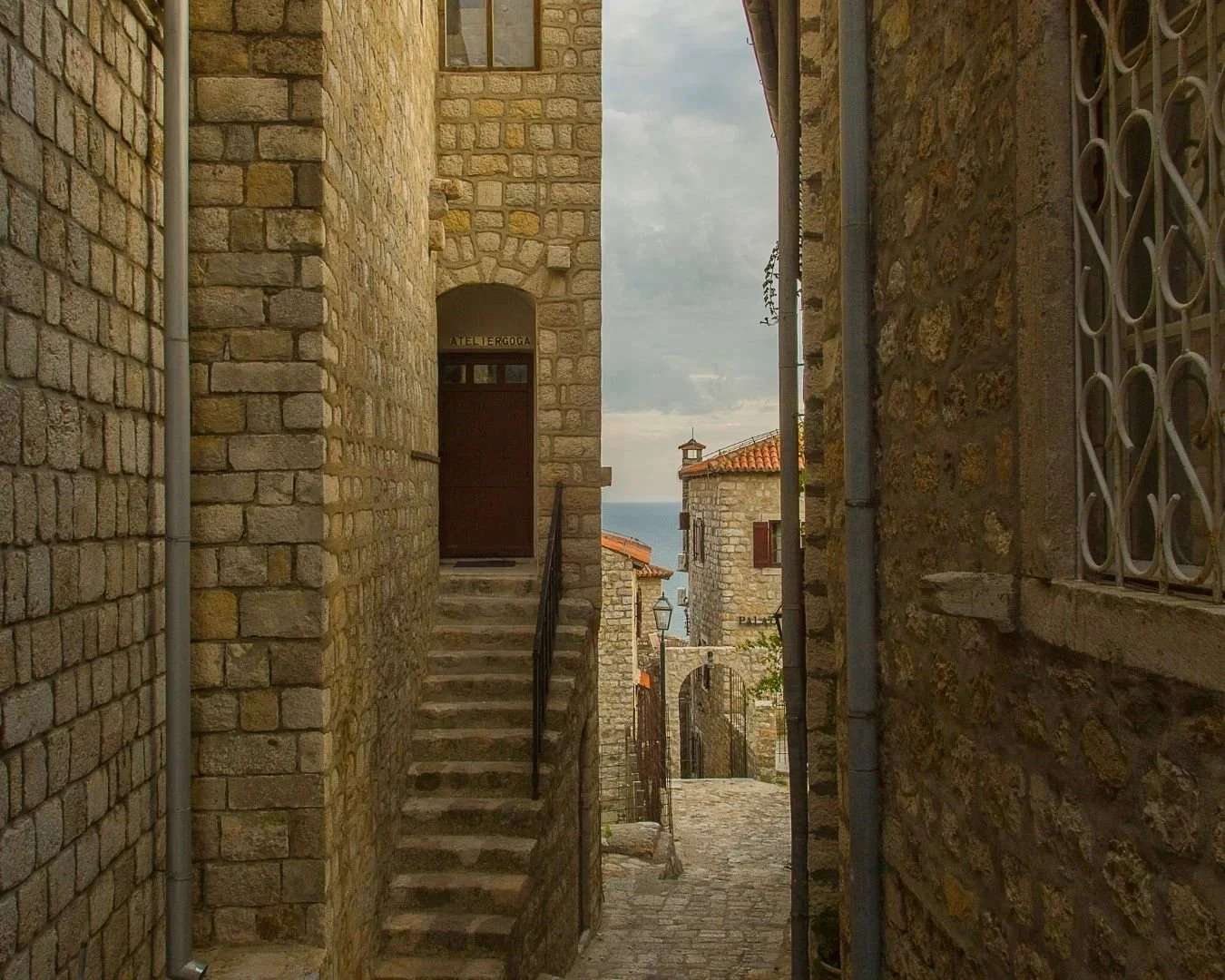
The narrow stone streets of Ulcinj Old Town, filled with historic charm and traditional architecture.
Small Mosques and Religious Heritage
Ulcinj is one of the few towns in Montenegro where the long-standing presence of Islamic culture is clearly visible in the urban fabric. Small mosques inside and around the Old Town are part of its historical identity and reflect the multi-layered past of this area.
Their simple architecture and integration into the stone streets contribute to the distinct character of the old core.
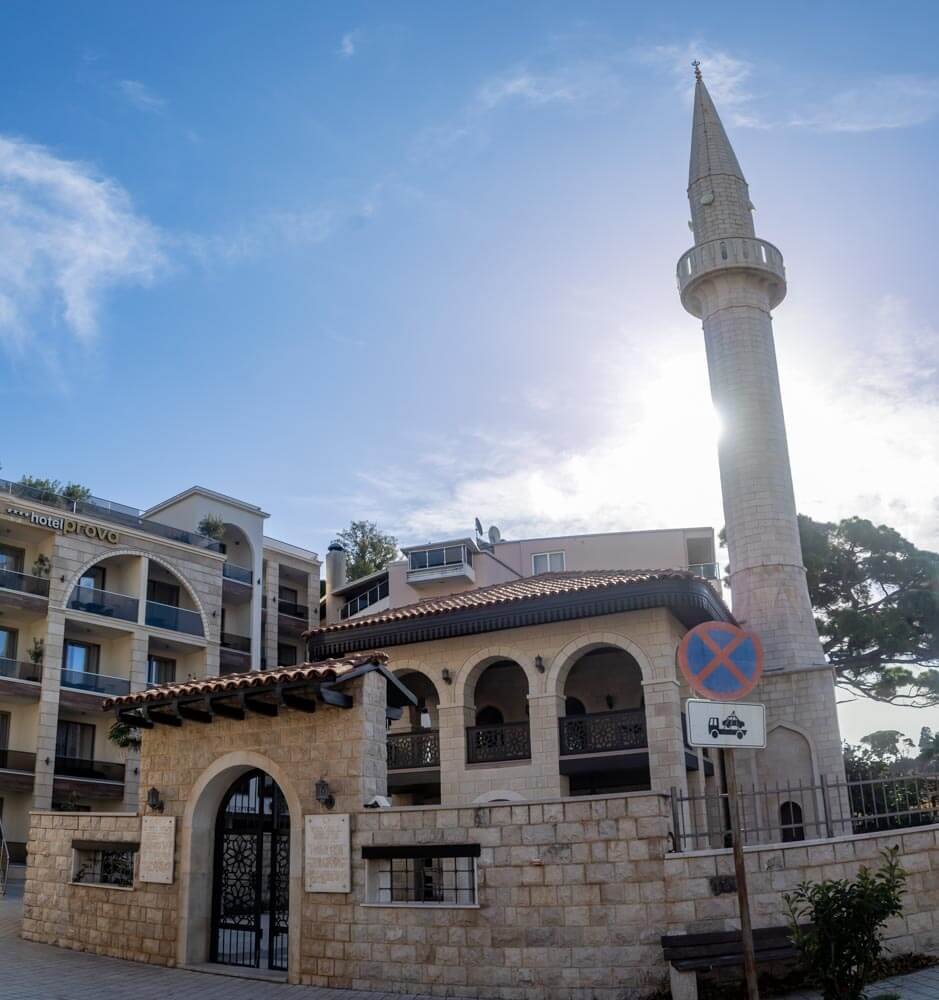
The Sailors’ Mosque in Ulcinj Old Town, a historic religious landmark.
Foto:Lovin’ Montenegro
St. Nicholas’ Church
Set among old olive trees just below the main gate to the Old Town, St. Nicholas’ Church is known for its vivid frescoes and quiet, contemplative interior. The church reflects Ulcinj’s layered religious history, having shifted between uses over the centuries as the town’s rulers changed.
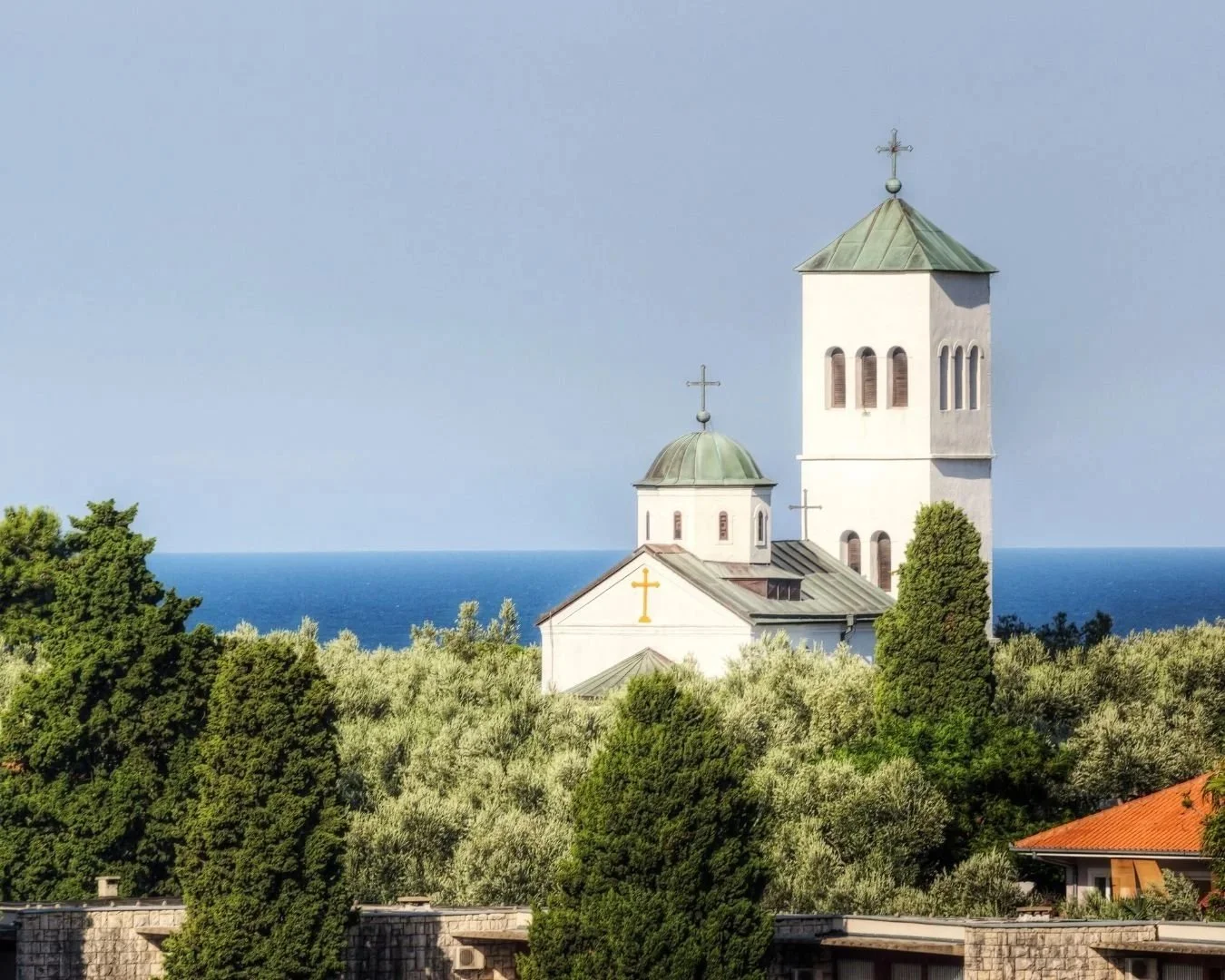
St. Nicholas Church in Ulcinj, a historic religious landmark overlooking the Old Town.
Why Visit Ulcinj town
Ulcinj is ideal for travelers who want to experience a different identity of the Montenegrin coast. Its Old Town does not feel like an isolated historic unit, but rather a space where the mix of cultures that shaped it is still present today.
Ulcinj isn’t a town of monumental buildings or clearly defined attractions, it is discovered through mood, detail, and everyday life within the old core.
This is a town that especially appeals to those who want to feel both Mediterranean and Oriental influences within the same destination, which makes it unique compared to other towns in this guide.
Best Time to Visit
Ulcinj has a long summer season and is most pleasant to visit from late spring to early autumn.
During July and August, the town is at its liveliest, especially due to its proximity to Velika Plaža and overall tourist activity, while May, June, and September are better suited for quieter exploration of the Old Town and its streets.
During this period, it is easier to feel its atmosphere without crowds, which is especially suitable for travelers who want to focus on the historic core and the cultural layers that define it.
Which Old Town Should You Visit?
Each old town in Montenegro offers a completely different experience, so the choice mostly depends on the type of trip you want. Some are focused on history and architecture, while others combine culture, nature, and a more relaxed coastal lifestyle.
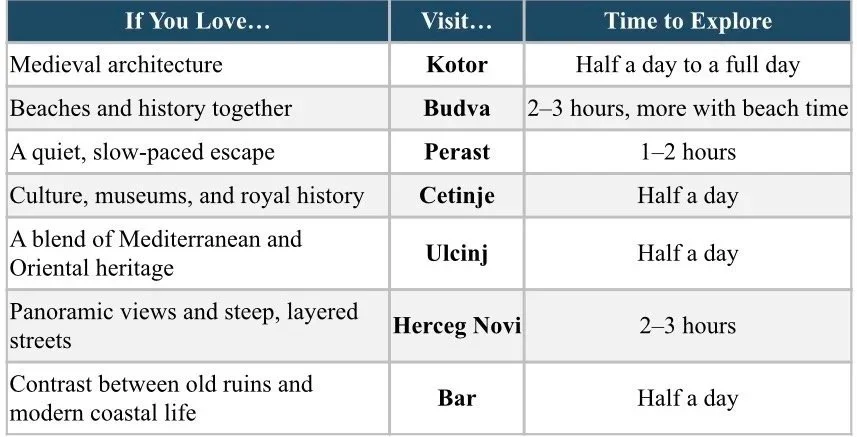
A travel inspiration table highlighting “If you love…” experiences, destinations to visit, and the best time to explore each city.
Rather than competing with each other, these towns actually complement one another. Together, they show how diverse Montenegro is within a relatively small area, from the coastline to the inland regions.
A Few Practical Things to Know Before You Go
Most of these old towns are easiest to reach by car, since public transport along the coast can be slow and infrequent outside the summer season. If you are based in Kotor, Budva, or Tivat, day trips to Perast, Herceg Novi, or Cetinje are simple to fit into a single day. Bar and Ulcinj sit further south and are best paired together if you are coming from that direction.
Comfortable shoes matter more than most people expect. The streets inside every old town are stone, often worn smooth by centuries of foot traffic, and can get slippery after rain or in anything with a flat, thin sole.
Card payments are widely accepted in restaurants and larger shops, but small family-run cafés, market stalls, and some fortress or museum entrances still prefer cash in euros, Montenegro’s official currency despite not being part of the Eurozone.
Timing makes a bigger difference than people assume. Kotor and Budva fill up with cruise-ship passengers and day-trippers by mid-morning in summer, so an early breakfast or an after-sunset walk inside the walls gives a completely different impression of both towns. Smaller stops like Perast or Cetinje rarely feel crowded, even in August.
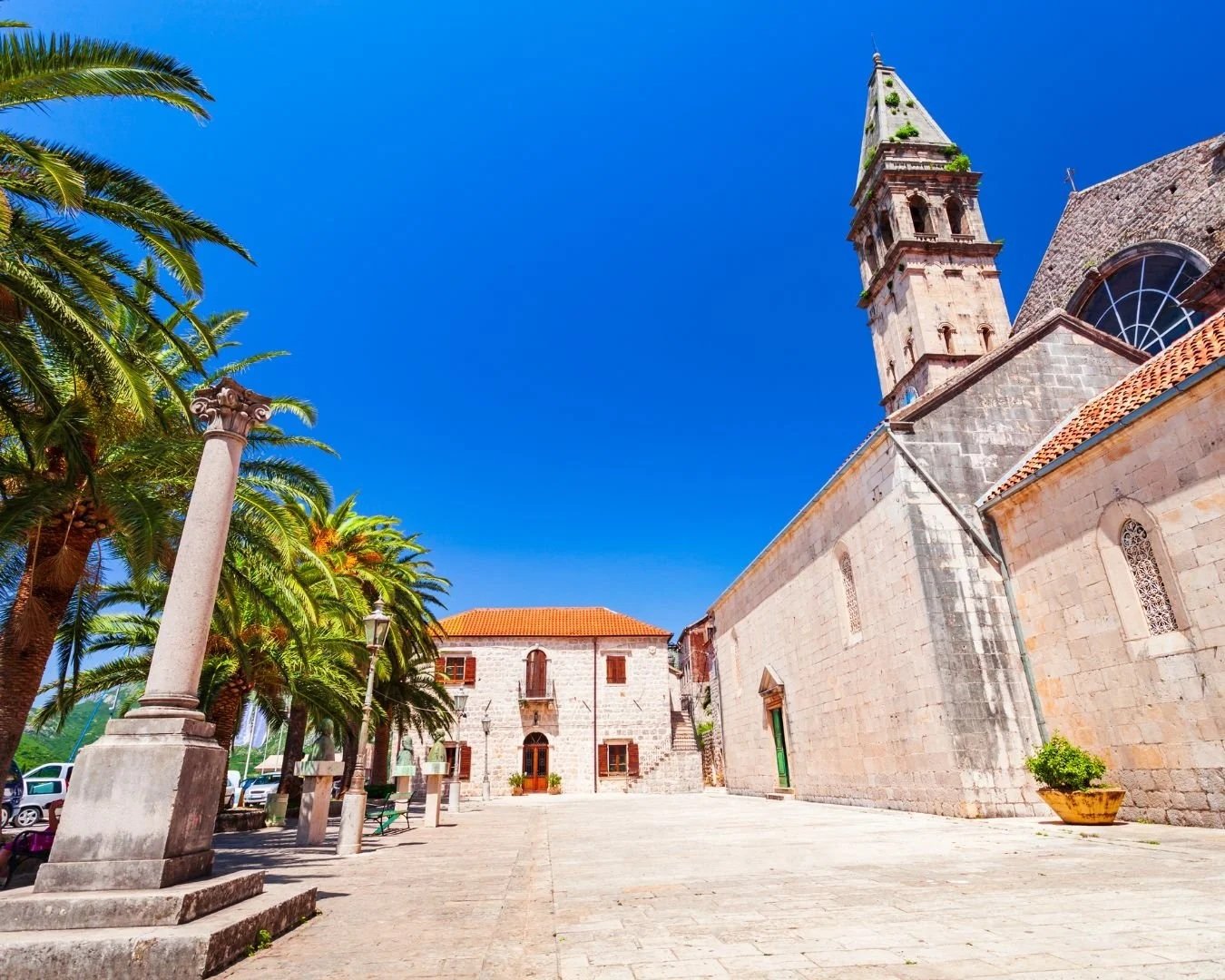
The iconic St. Nicholas Church bell tower rising above the waterfront in Perast, overlooking the Bay of Kotor.
FAQ
Which old town in Montenegro is best for a day trip?
Kotor, Perast, and Budva are among the most popular choices for day trips thanks to their well-preserved historic cores and a high concentration of sights in a small area. If you prefer a quieter atmosphere, Perast is a particularly good option (afternoon and evening).
Which old town in Montenegro has the most historical landmarks?
Kotor is often considered the town with the highest concentration of historical landmarks. Its walls, squares, churches, and palaces reflect a long and significant history on the eastern Adriatic coast.
Which old town in Montenegro is the most peaceful?
Perast is known for its slower pace and easygoing mood, defined less by crowds than by seaside walks, historic palaces, and views of the Bay of Kotor.
Is Cetinje worth visiting?
Yes, Cetinje is one of the most important places for understanding Montenegrin history and culture. The former royal capital is home to numerous museums, historic buildings, and institutions that played a key role in the country’s development.
Which old town in Montenegro has the best view?
Herceg Novi and Kotor are known for impressive panoramic views. Herceg Novi offers wide views of the entrance to the Bay of Kotor, while Kotor opens up toward the bay, mountains, and its historic core.
Can you explore Montenegro’s old towns without a car?
Yes, most old towns can be explored on foot once you arrive. However, to visit multiple towns in one trip, a car offers the most flexibility, especially if you plan to visit Cetinje or Stari Bar. If you don’t want to drive tricky roads of Montenegro then booking one of our tours would be the best. We take care of everything.
Which is the oldest old town in Montenegro?
Ulcinj, together with Budva is considered one of the oldest urban centers on the eastern Adriatic coast, with a history of more than two thousand five hundred years. Its development was shaped by Illyrians, Romans, Byzantines, Venetians, and Ottomans (Ulcinj) and Austo Hungarians (Budva).
Are Montenegro’s old towns suitable for families?
Yes, most old towns are suitable for family visits. Budva and Herceg Novi are especially practical due to their proximity to beaches and promenades, while Kotor and Perast offer a great mix of history and outdoor activities.
Final Thoughts – A Journey Through Montenegro’s Old Towns
The old towns of Montenegro may share a rich historical background, but each one carries its own distinct character and mood. What connects them is not similarity, but contrast, the way every town reflects a different layer of the country’s past, shaped by geography, culture, and centuries of change.
Exploring them together offers a deeper understanding of Montenegro itself. From the coast to the inland, these places show how history is not preserved as something distant, but woven into everyday life, in stone streets, living neighborhoods, and spaces that are still in use today.
In the end, visiting Montenegro’s old towns is less about checking off individual landmarks and more about experiencing a rhythm of places where time feels layered. It is this sense of continuity between past and present that leaves the strongest impression long after the journey ends.