
15 Things People Get Wrong About Montenegro: Travel Myths Debunked
First Impressions Can Be Deceiving
Most people don't fall in love with Montenegro before they've even booked the flight, they stumble into it. It turns up as a stopover between Croatia and Albania, a line in a Balkan road trip, or a cheap fare to the Adriatic someone found by accident. Because of that, almost everyone arrives with a picture of the country that turns out to be only a fraction of the real thing.
The shift happens fast, too. Leave the coast for half an hour and the road is already climbing into limestone peaks. Stone alleyways give way to pine forest, the sound of waves is replaced by a river, and a single afternoon can carry you from a Venetian square to an alpine meadow. That's the thing about Montenegro, it refuses to sit still long enough for one photo to sum it up.
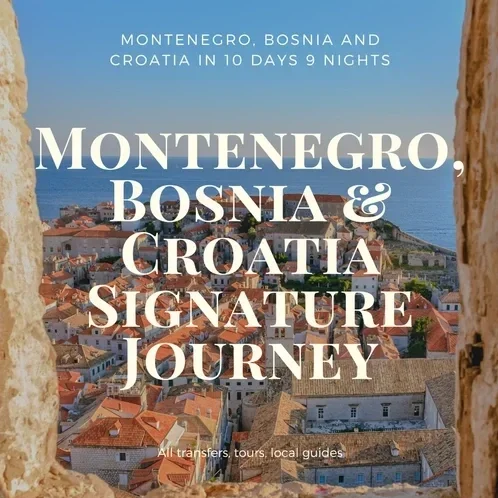
A journey through Montenegro, Bosnia and Croatia in one unforgettable trip.
At just over 13,800 square kilometers (5,330 square miles), Montenegro is smaller than some countries' national parks, and yet inside that space sits UNESCO World Heritage towns and sites, five national parks, the largest lake in the Balkans, and one of Europe's deepest river canyons. It's this density, how much fits into how little space, that people tend to remember long after the trip ends, more than any single view.
So where do the myths come from? Partly from a lack of international spotlight compared to Italy or Croatia. Partly from photos that only ever show one corner of the country, usually the coast in July. Whether this is your first serious look at Montenegro or you've already got a rough itinerary sketched out, here are fifteen of the most common misconceptions, and why the real country is a lot more interesting than the postcard version.
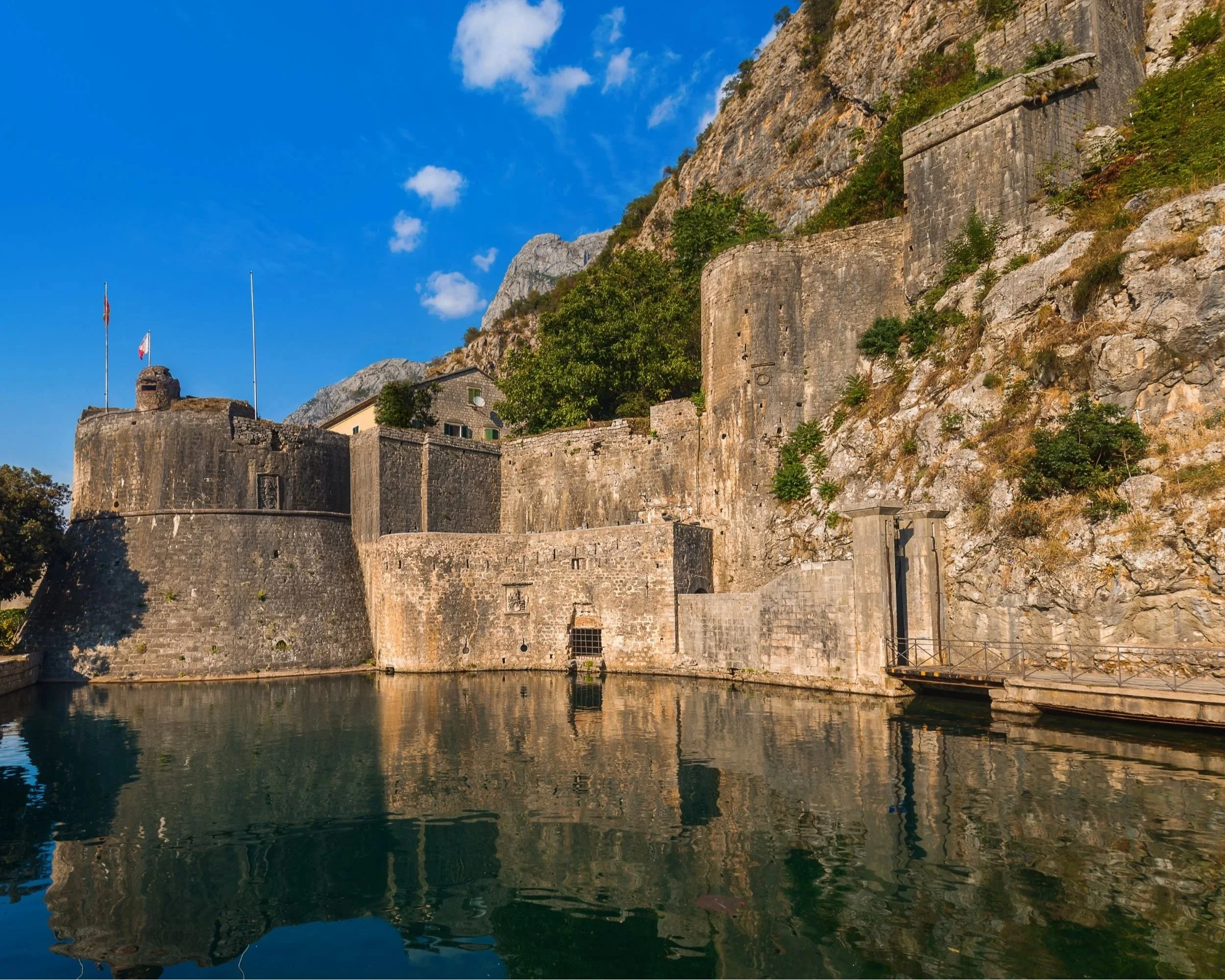
Historic Kotor walls overlooking the Old Town and the Bay of Kotor.
Montenegro at a Glance
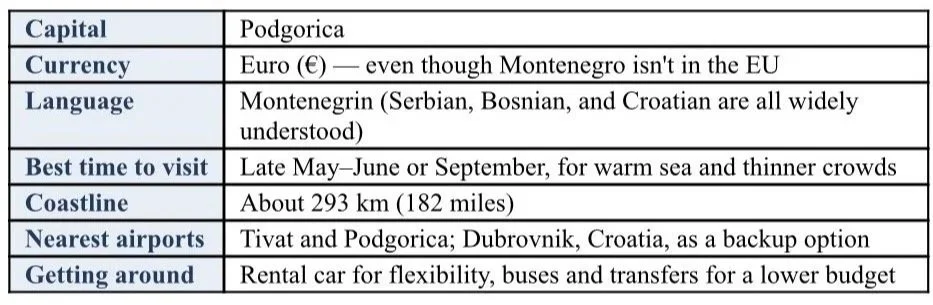
Essential travel information for visiting Montenegro.
1. Montenegro Begins and Ends at the Coast
Ask someone who's never been, and they'll usually describe Montenegro in one sentence: a small strip of Adriatic coastline with a handful of pretty beaches. It's an easy assumption to make, most of what circulates online is coastal, sunlit, and framed by yachts.
The Real Country Starts Where the Coast Ends
Step away from the water and the pace of travel changes almost immediately. Distances stay short, but the scenery shifts so fast it can feel like crossing into another region of Europe rather than simply continuing down the road.
Durmitor National Park is built from towering peaks, glacial lakes, and the Tara River Canyon, one of the deepest in Europe. Limestone cliffs meet quiet alpine meadows here, and the mountains wear a different mood in every season.
Above the Bay of Kotor, Lovćen National Park marks the hinge between the Adriatic and Montenegro's mountainous interior, its viewpoints deliver some of the most complete panoramas anywhere in the country.
I still remember checking the map twice the first time I drove that road out of Kotor. It didn't seem possible to gain that much altitude in twenty minutes, and then suddenly the whole bay was laid out below us like a photograph.
Further north, Biogradska Gora National Park protects one of Europe's last primeval forests. Biogradsko Lake sits at its center, ringed by centuries-old woodland that feels untouched despite being an easy detour from the main road.
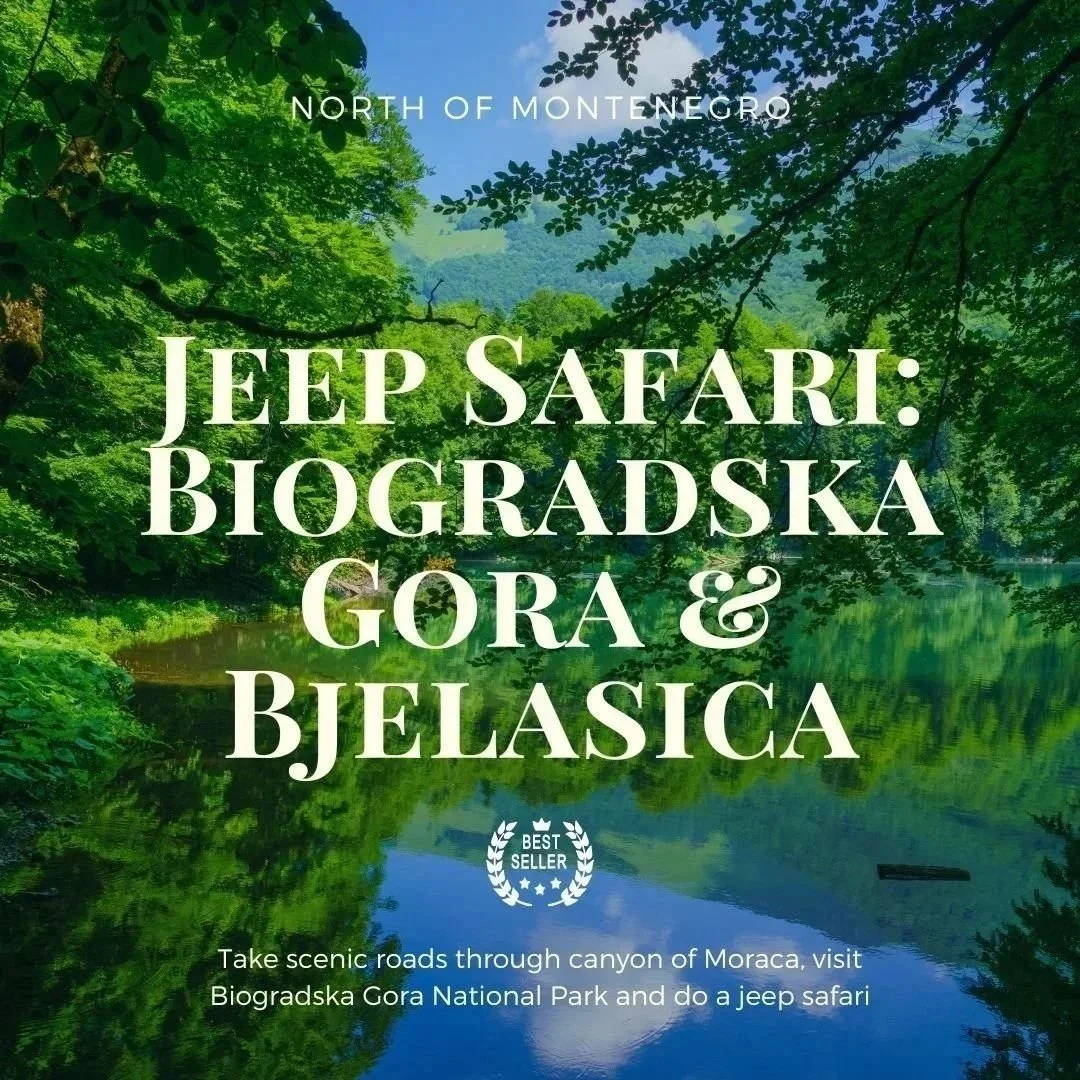
Explore Biogradska Gora and Bjelasica on a scenic Jeep safari.
In the southeast, the Prokletije Mountains show yet another face of the country, steep ridges and secluded valleys, remote enough that they feel a world away from the marinas on the coast.
And then there's Lake Skadar, the largest lake in the Balkans, where open water, reed beds, and small islands support some of the richest birdlife in the region while quietly stitching the coast to the interior.
Put together, these places tell a far bigger story than the shoreline ever could. The coast is usually what pulls travelers in, it's the interior that convinces them to stay longer.
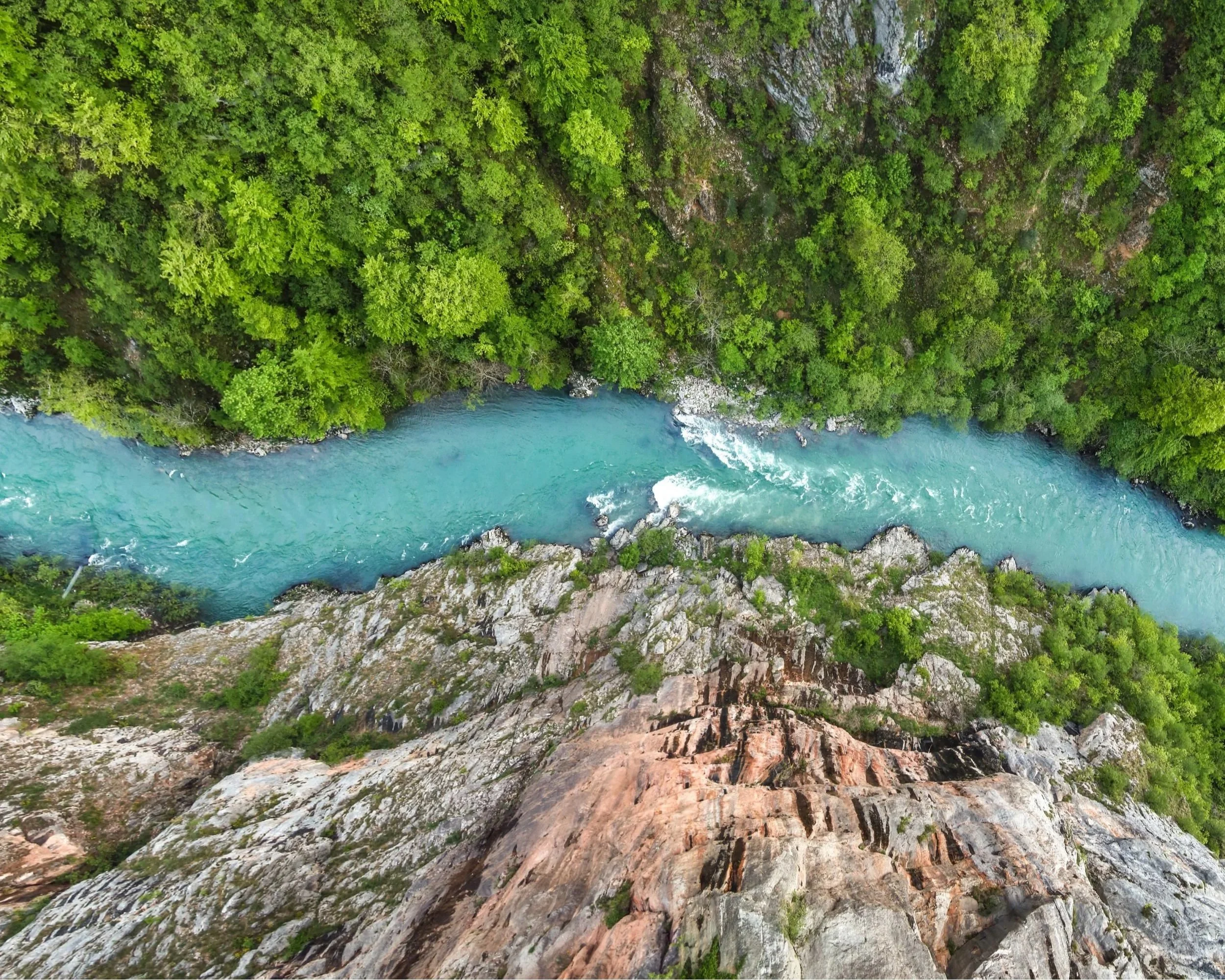
The Tara River Canyon, home to one of Europe's deepest river canyons.
2. The Bay of Kotor Is a Fjord
It's an easy mistake to make. Mountains rising almost straight out of the Adriatic create a scene that looks, from the viewpoints above Kotor, exactly like the fjords of Norway. The comparison has been repeated so often in guidebooks and social media captions that plenty of visitors arrive treating it as geological fact.
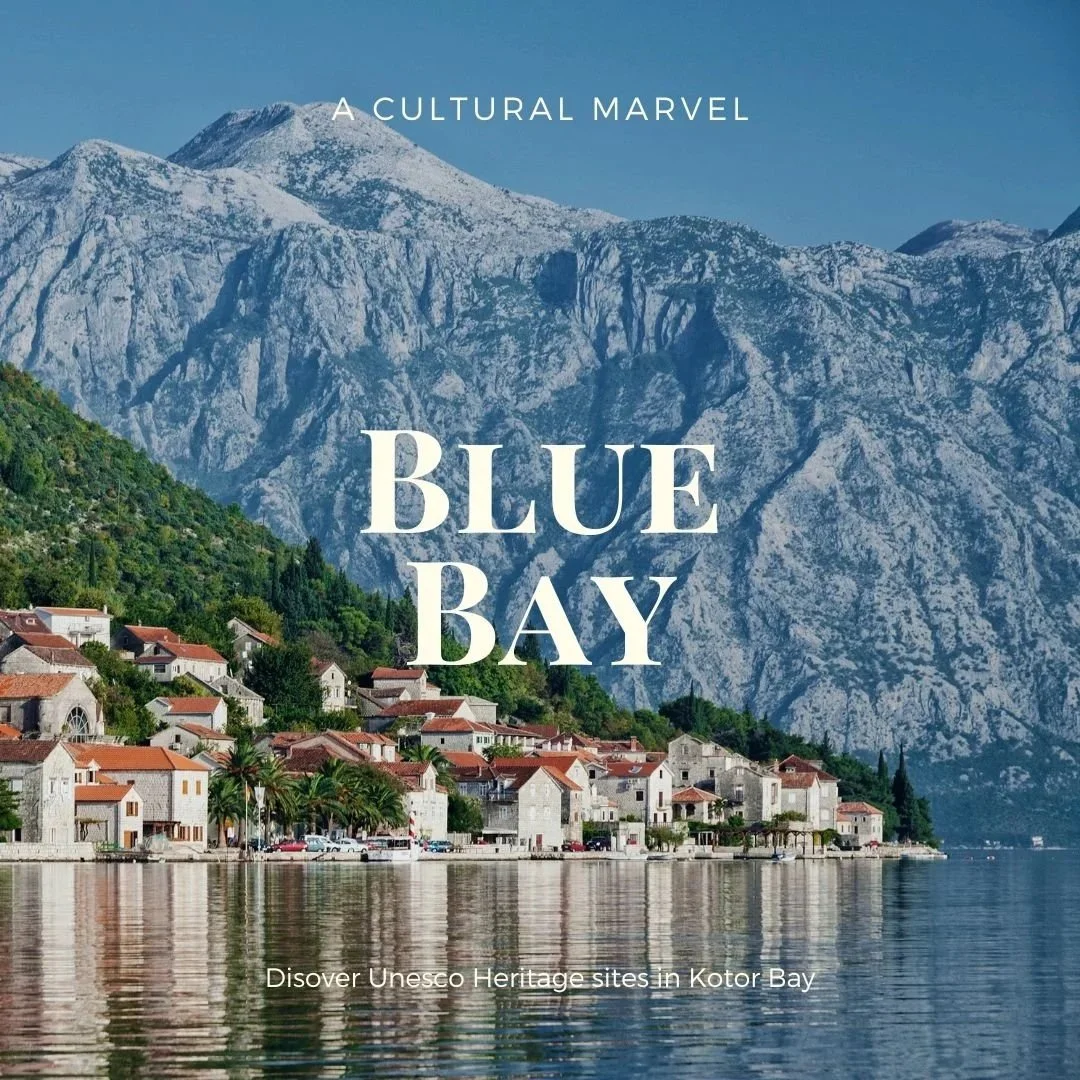
Discover the beauty of the Blue Bay
It's a Ria, Not a Fjord - And That's Actually the More Interesting Story
Fjords are carved by glaciers into steep U-shaped valleys. The Bay of Kotor formed differently: it's a ria, a river valley drowned by rising sea levels, which is why it follows the gentler contours of an old river system rather than the harsh cut of ice.
The distinction sounds technical, but it explains something visitors feel without quite naming it, why the bay curves and narrows the way it does, opening and closing as you move through it.
What makes the bay remarkable isn't only the geology, though. It's the way centuries of human settlement have folded into that landscape. Narrow passages between the mountains open onto quiet waterfront towns, and small harbors have connected this coast to the wider Adriatic for generations.
Kotor, Perast, and the smaller villages scattered around the water grew up in a setting that feels sheltered rather than exposed, the sea reaching deep into the mountains instead of stretching out flat and wide, which gives the whole bay a character unlike anywhere else on the Mediterranean.
So yes, it looks like a fjord. But knowing it's a ria, shaped by a drowned river and layered with centuries of history, makes the view from Kotor's walls even more worth the climb.
3. Montenegro Is Too Small to Need a Full Week
On paper, the math is tempting. The country is compact, the towns are close together, and the main sights look like they'd fit comfortably into three or four days.
Small on the Map, Endless in Practice
That math rarely survives contact with the actual driving. Montenegro isn't measured in kilometers so much as in how often the scenery resets, a single afternoon can feel like crossing several countries rather than staying inside one.
The sea alone changes personality depending on where you are. The Bay of Kotor is calm and enclosed, mountains rising almost vertically around it, while further along the coast, Budva and Ulcinj open into long beaches, stronger waves, and wider horizons.
Mountains appear almost immediately behind the shoreline, with none of the gradual buildup found in other Mediterranean countries. Lovćen, Orjen, and Durmitor shift the air, the light, and the vegetation within a short drive, Mediterranean to alpine, with barely a transition in between.
Then there are the lakes: Lake Skadar, the largest in the Balkans, known for its islands and birdlife, and Biogradsko Lake, tucked inside old-growth forest and moving at a much slower pace. Smaller glacial lakes around Durmitor add still more variety.
The Tara River Canyon brings its own drama, steep cliffs and vertical drops carved through the mountains, feeling completely separate from the coast in both look and mood.
And the historic towns, Kotor, Budva, Bar carry visible layers of Venetian, Ottoman, and local influence in their streets and architecture, a pattern that continues in smaller inland settlements too.
None of these places feel like a continuation of the last one, even though you can cross between them in an hour or two. That's what keeps a week from ever feeling like enough.
Check our multi-day private tours here.
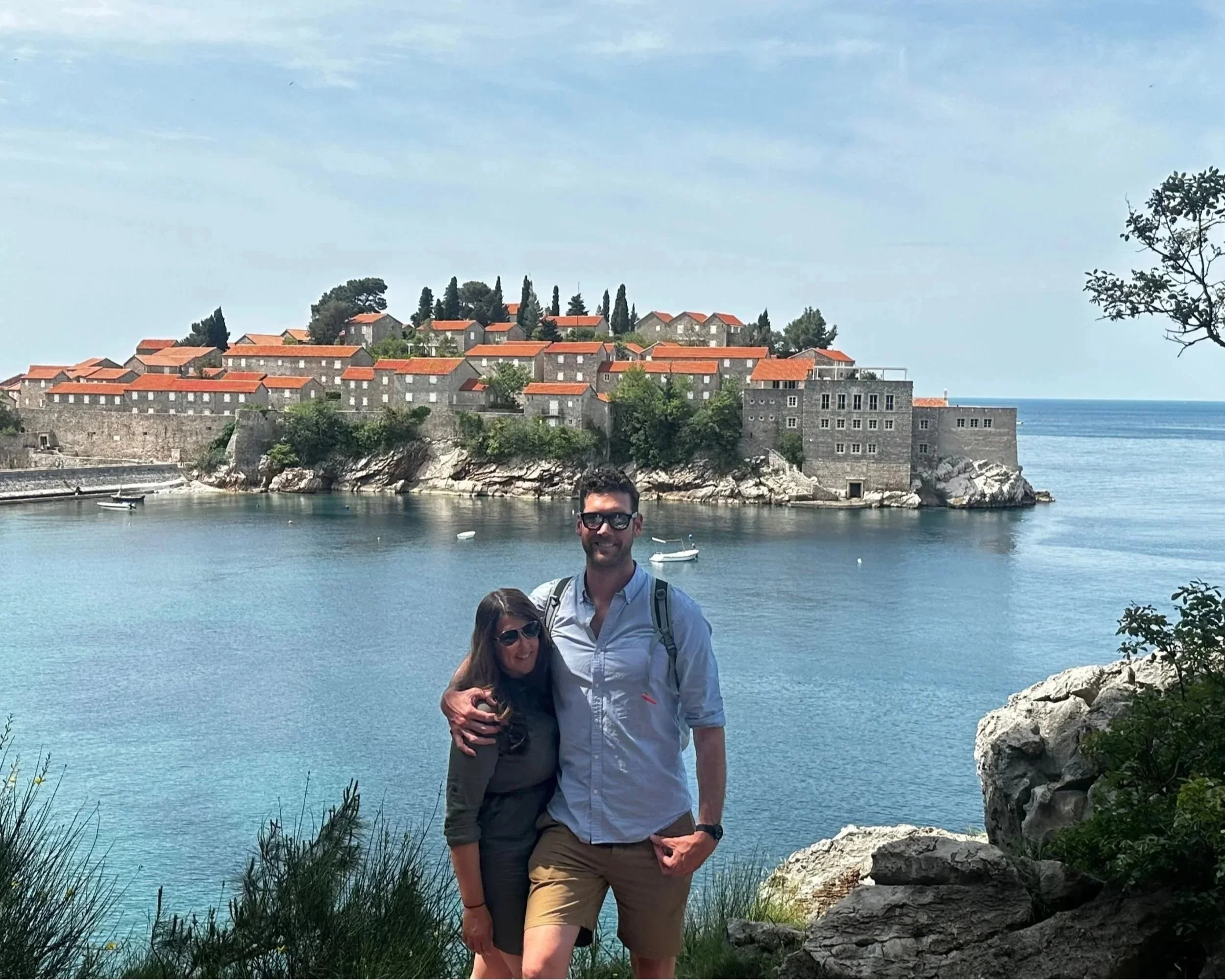
Guests enjoying the view of Sveti Stefan on the Montenegrin coast.
4. Montenegro Only Makes Sense as a Summer Destination
The photos that circulate before most people ever book a trip are all beaches, blue water, and long sunny evenings, which makes it easy to assume the country only really "switches on" in June.
Four Seasons, Four Different Countries
Spring is a slow build. The mountains turn green again, rivers run high with snowmelt, and the coast is still empty enough to feel local. Kotor and Budva move at an everyday pace rather than a tourist one, and mild temperatures make it easy to combine coast and interior in the same day.
Summer is the version most people already know, long days, warm sea, beaches at full capacity, and evenings that stretch late into the night along the coast. Even then, the mountains stay noticeably cooler, offering a quick escape from the heat without leaving the country.
Autumn might be the best-kept secret of the four. The sea is still warm enough to swim in, the crowds have thinned out, and the mountains turn deep red, orange, and gold. It's the season that lets you take in both coast and interior without racing anyone for a parking spot.
Winter changes the mood entirely. The coast goes quiet, while up north Durmitor and Žabljak open for ski season, with snow-covered roads and a completely different rhythm. Meanwhile, Kotor and Budva slow down into a smaller, more intimate version of themselves.
Whichever season you land in, the underlying character stays the same: contrast, packed into a small space. What changes is simply which side of the country gets the spotlight.
Best Time to Visit, By What You're After
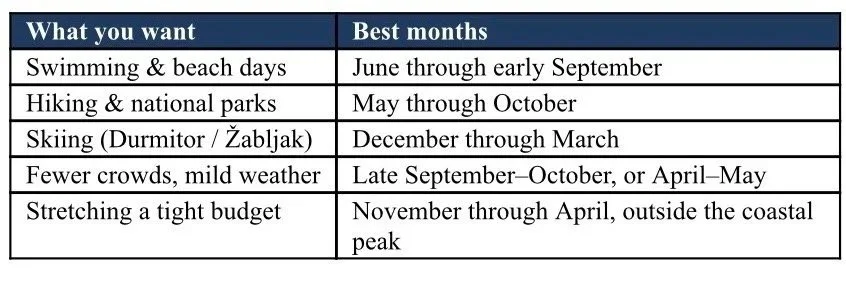
Montenegro offers something special in every season.
5. You Need a Rental Car to See Anything Worthwhile
It's a fair assumption on the surface. Distances are short, but the landscape changes so often that driving looks like the obvious way to link everything into one route.
There's More Than One Way In
Organized tours cover a lot of ground efficiently, often pairing the coast with inland stops in a single day, without anyone having to think about parking or navigation. They're especially useful for viewpoints and national parks that are trickier to reach independently.
Transfers between towns offer a simpler middle ground stay based in Kotor, Budva, or Tivat, and still get to the places that matter without organizing the whole trip yourself.
Buses connect the main towns and remain the most accessible form of public transport in the country. As a rough guide: Kotor to Budva runs about 45 minutes, Budva to Podgorica around an hour, and Podgorica up to Žabljak closer to three worth knowing before you build a day plan around it.
A car does add flexibility, no question. But it isn't a requirement Montenegro stays fully reachable for travelers who'd rather not deal with mountain roads themselves.
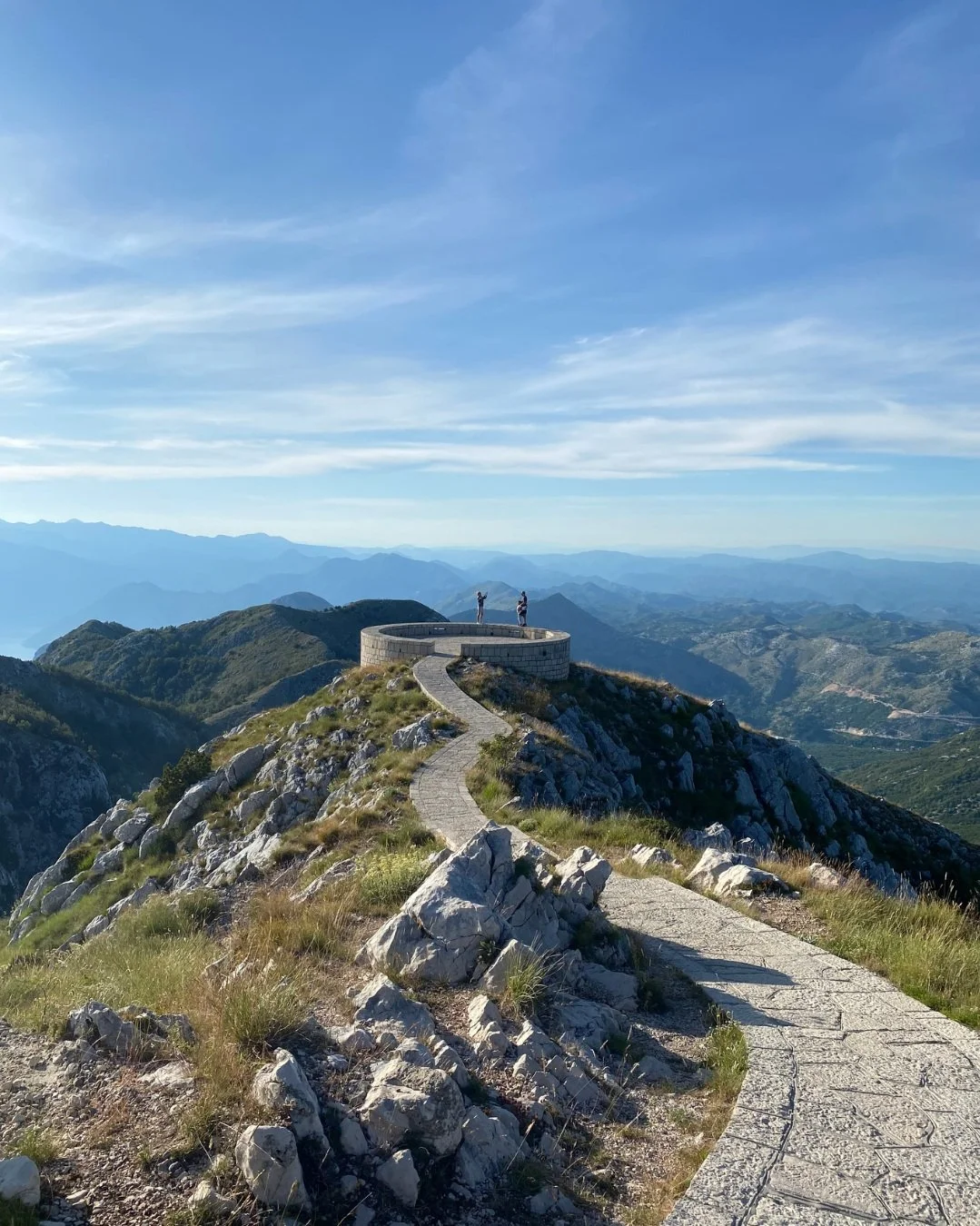
The Guvno viewpoint in Lovćen National Park, surrounded by mountain scenery.
6. Montenegro Is an Expensive Destination
Photos of marinas, seaside hotels, and restaurants overlooking the Bay of Kotor do most of the damage here they make the whole country look like it's built for one type of budget.
Three Budgets, One Country
Luxury travel clusters mainly around the Bay of Kotor and a handful of upscale coastal pockets boutique hotels, private villas, and restaurants where the price tag reflects the view and the privacy as much as the food.
Mid-range travel is how most people actually experience the country: hotels, apartments, restaurants, and excursions across Kotor, Budva, and Tivat that cover a lot of ground comfortably without tipping into premium pricing.
Budget travel is still entirely realistic, particularly outside peak season and away from the busiest coastal strip. Hostels, private rooms, simple local restaurants, and public transport keep costs low without cutting out the experience, the focus just shifts toward exploring rather than indulging.
As a rough starting point: luxury runs €200+ a night per person for a boutique stay around Kotor or Perast; mid-range sits closer to €60–120 per person a night, with a solid dinner for two around €25–35; and budget travelers can find private rooms or hostel beds for €15–35, with a proper local meal often under €10.
Montenegro doesn't sit inside one price bracket. It's a country where all three levels operate side by side, sometimes within the same town on the same day.
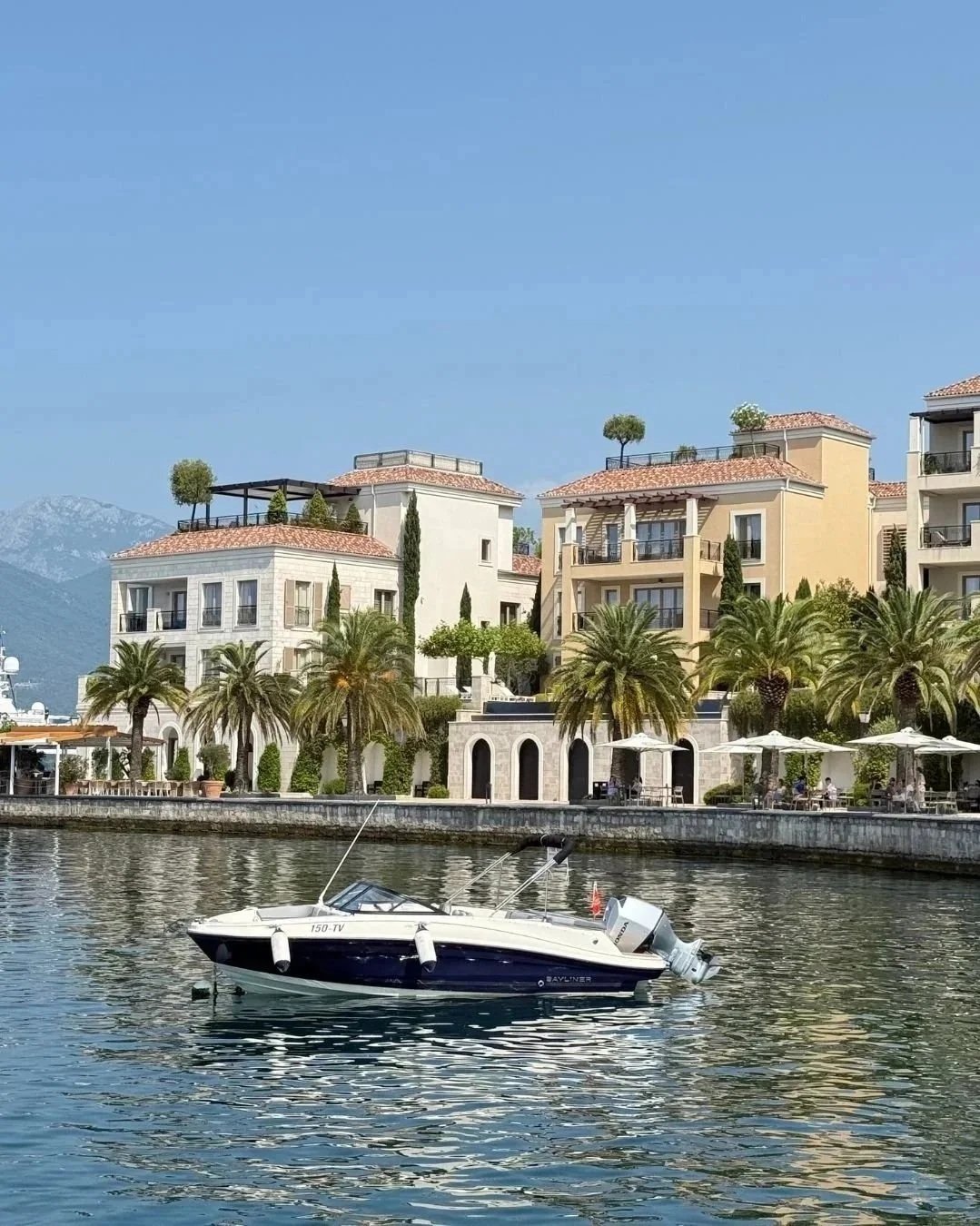
A waterfront view of Tivat on Montenegro's Adriatic coast.
7. The Beaches Are Always Packed
It's a reasonable impression to form in July or August the well-known stretches in Budva and the central Bay of Kotor genuinely do fill up fast.
The Quiet Coves Still Exist
Drobni Pijesak, between Sveti Stefan and Petrovac, has fine sand and clear water, and its position keeps it noticeably calmer than the bigger beaches nearby.
Perazića Do is a small cove wedged between rocky cliffs, reachable only by footpath. That bit of extra effort keeps it quiet even in the height of summer.
Valdanos, near Ulcinj, breaks from the typical sandy formula entirely an olive-grove-lined bay with an open, spacious feel that hasn't attracted the same mass tourism as its neighbors.
Across the Luštica Peninsula, a scattering of small coves sit along narrow roads and short walking trails. The limited access is exactly what keeps the atmosphere slower and more private.
The famous beaches will be busy in summer that part is true. But the coastline itself is far from uniform, and a short detour is usually all it takes to find a quieter stretch of sand.
Perazića Do is still the first one I recommend when someone tells me they're tired of sunbed vendors, just wear proper shoes for the path down.
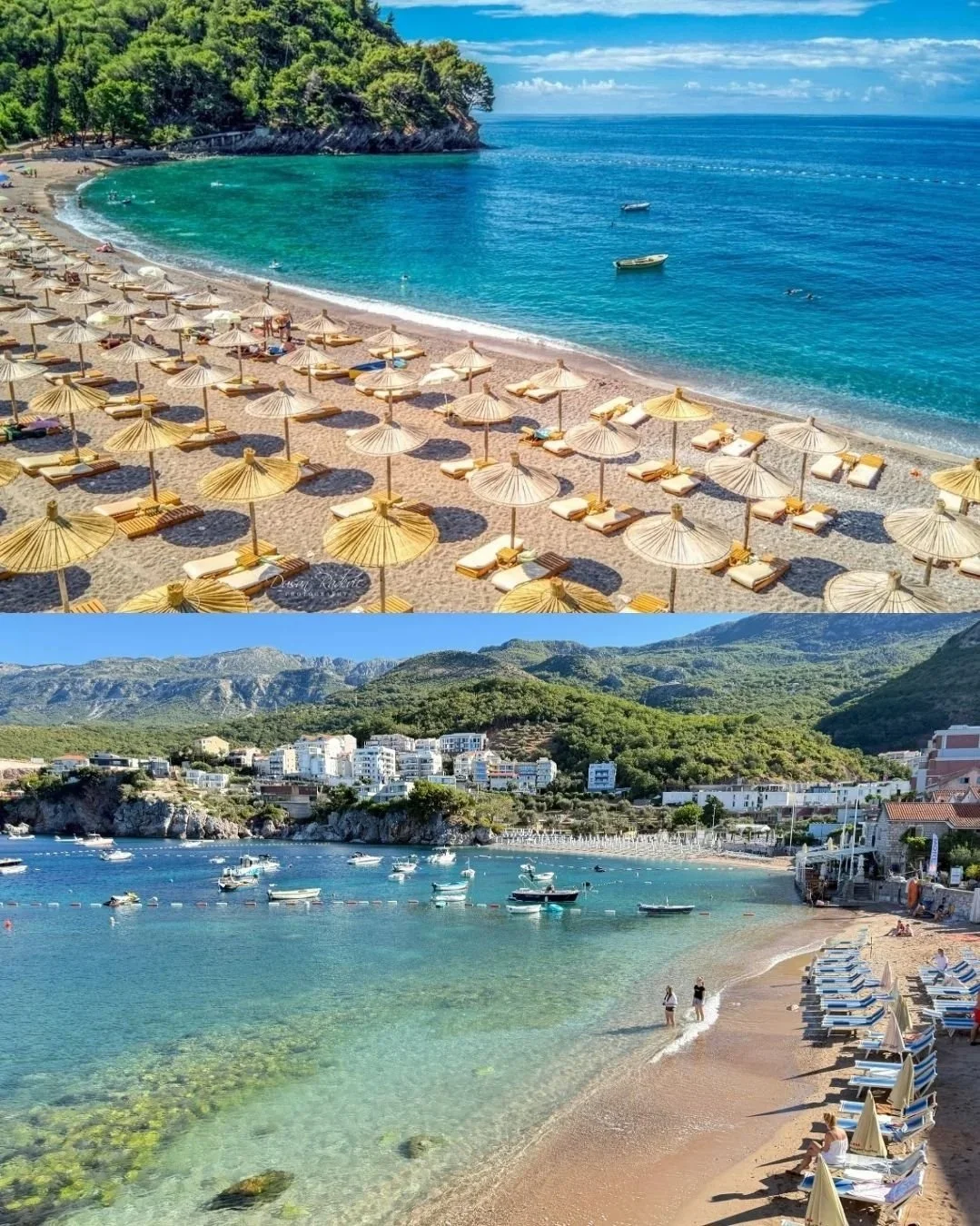
A beautiful beach along Montenegro's Adriatic coast.
8. The Food Isn't Worth Talking About
This one usually comes from a quick, tourist-menu impression of the coast in high season, plenty of visitors leave thinking Montenegrin food is simple and doesn't vary much from town to town.
Three Regions, Three Completely Different Kitchens
Along the coast, the Mediterranean sets the tone: fresh fish, seafood, olive oil, and preparation styles built around letting the ingredients speak for themselves. Kotor, Budva, and Ulcinj each carry a long culinary thread shaped by Venetian and broader Adriatic influence.
The central region works as a transition zone, heartier, more meat- and dairy-driven, blending Mediterranean habits with continental ones as the terrain climbs away from the sea.
The north is the most distinctly mountainous kitchen in the country: calorie-dense, built for cold winters, and centered on pies, lamb, homemade cheese, and cured meats, much of it made from recipes passed down rather than written down.
If you only remember three names, make them kačamak (a rich cornmeal-and-cheese dish from the north), njeguški pršut (cured ham from the Njeguši village near Lovćen), and brodet (a slow-cooked coastal fish stew). And if lamb ispod sača, roasted slowly under a metal dome, shows up on a menu anywhere north of Podgorica, order it. It's the dish I still think about.
Montenegrin food isn't one dish repeated everywhere, it's a set of regional stories that shift as fast as the landscape does. Read more about our food here.
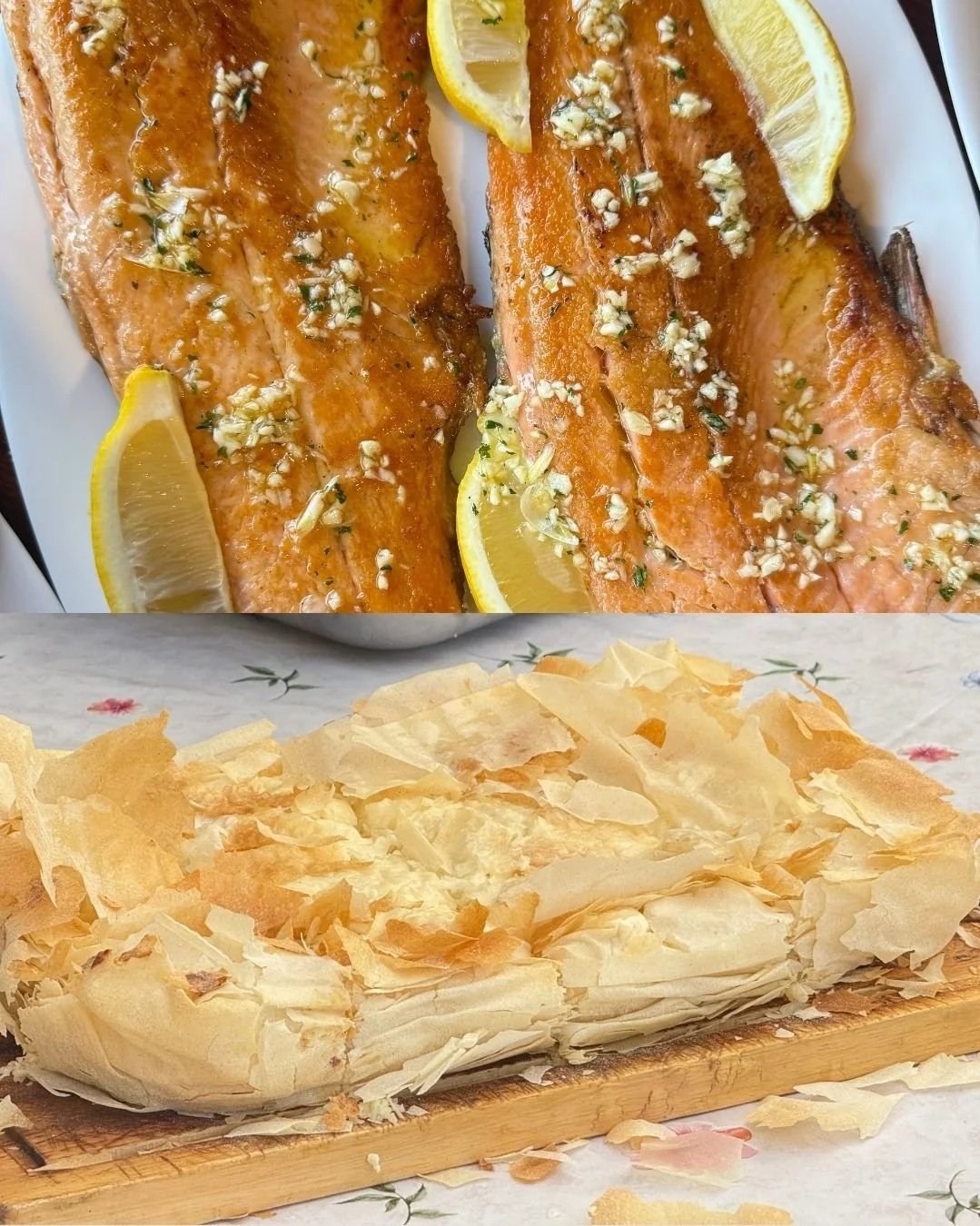
Traditional Montenegrin fish and pie served as part of the local cuisine.
9. You Have to Choose Between the Sea and the Mountains
Photos and pre-planned itineraries tend to treat the coast and the interior as two separate trips, which makes it easy to assume you have to pick one over the other.
Here, You Can Get Both Before Lunch
A morning might start in Kotor or Budva, with daily life unfolding along the water through narrow stone streets. After a short drive, the coastline disappears behind you and the road starts climbing.
Within a surprisingly small distance, Lovćen, Orjen, or parts of Durmitor National Park open up an entirely different register, cooler air, wider views, and a slower pace that feels much further from the sea than the drive suggests.
That proximity is the real advantage. Instead of choosing between coast and mountains, most days in Montenegro end up including both, without ever feeling rushed.
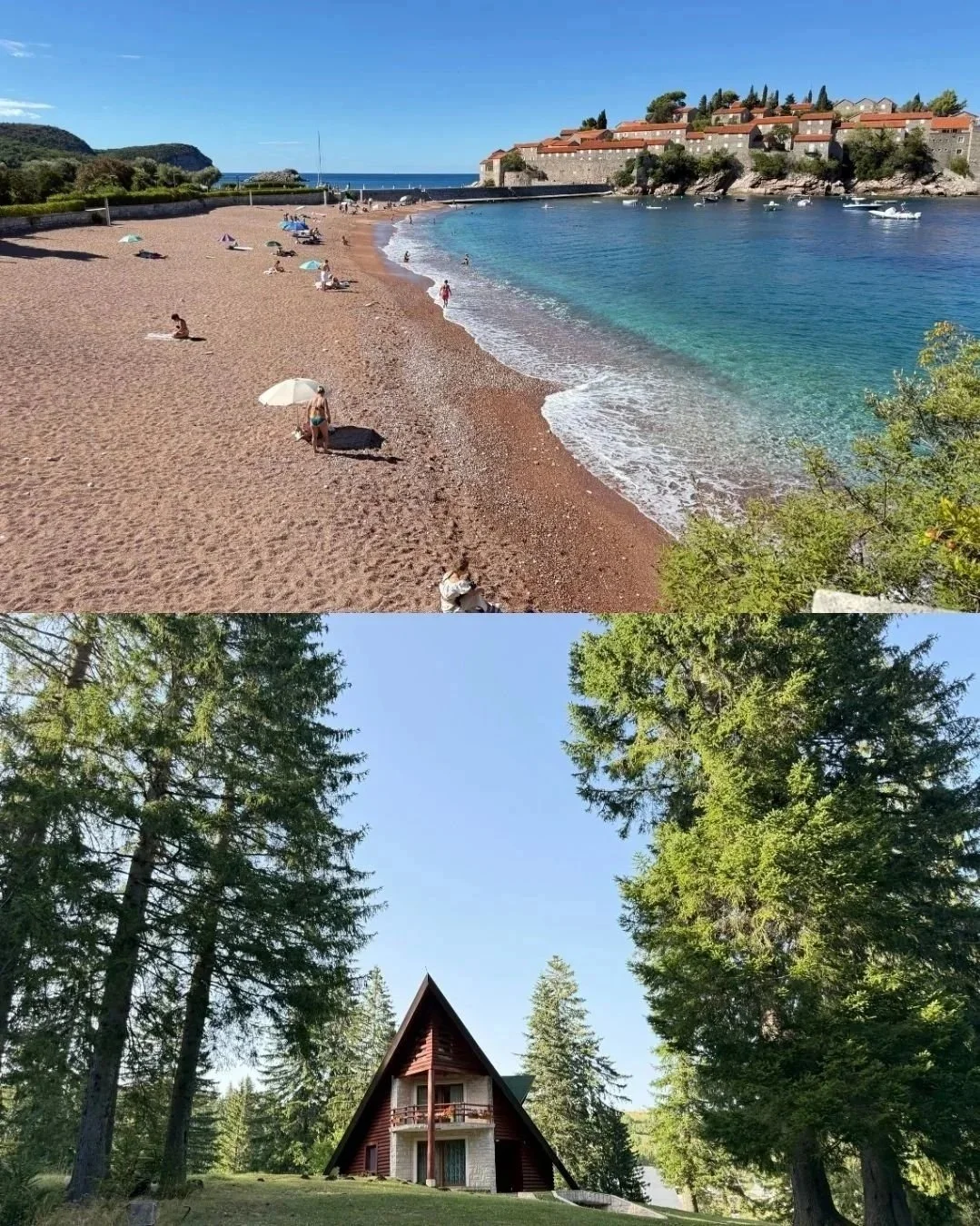
Montenegro's coastline and mountain landscapes, side by side.
10. Montenegro Doesn't Really Have Much History
Old town walls and coastal fortresses tend to get overshadowed by the scenery around them, which leaves the impression that history here plays a supporting role rather than a starring one.
Six Empires Left Their Fingerprints Here
The Illyrians were among the earliest known inhabitants, leaving behind fortified hillforts and burial mounds still visible in parts of the south and interior.
The Romans folded the region into their wider network of roads and trade routes connecting the Adriatic to the Balkan interior, traces of that planning still surface near Ulcinj and Bar.
The Venetians left the deepest mark around the Bay of Kotor, especially in Kotor and Perast, where fortified walls, stone palaces, and Venetian-style windows still define the look of both towns.
The Ottoman Empire shaped much of the inland region for centuries, visible today in mosque architecture, stone bridges, and the layout of towns like Pljevlja and Bijelo Polje.
The Austro-Hungary ruled parts of Montenegro for more than a century. They left incredible cultural heritage including roads (now used for hiking) and more then 90 fortresses in coastal area.
Yugoslavia added the most recent layer, 20th-century infrastructure, housing, and modernization that still forms the backbone of everyday life in Podgorica, Nikšić, and beyond.
None of this sits in a museum case. It's built into the streets people walk through every day, which is exactly why it's easy to miss on a first visit.
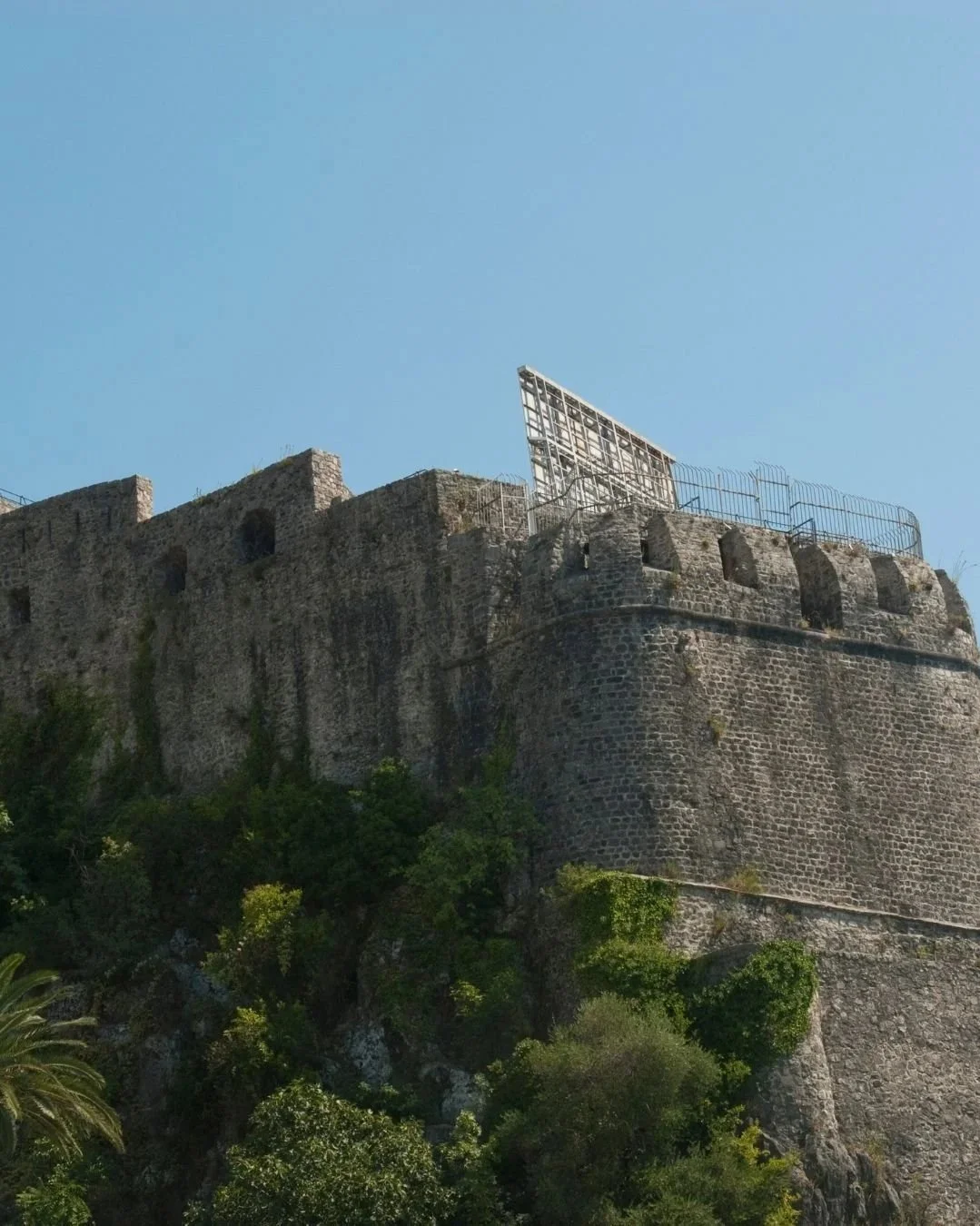
Kanli Kula, the historic fortress overlooking Herceg Novi.
11. Montenegro Is Basically the Same as Croatia
The comparison writes itself: same coastline, same Mediterranean climate, similar limestone towns lined up along the sea. For a first-time visitor, the border can feel more administrative than meaningful.
Same Sea, Completely Different Rhythm
Montenegro's coast is compact and heavily indented, with short distances and fast shifts in scenery one minute you're inside the tight, enclosed Bay of Kotor, and shortly after, the landscape opens into long beaches or mountains dropping straight into the water.
Croatia's coastline stretches much further, with towns spaced further apart, which makes travel feel more linear closer to a classic road trip that unfolds gradually rather than resetting every hour.
The smaller towns feel different too. Kotor and Perast feel tight and intimate, boxed in by mountains and water, while many Croatian coastal towns read as more open and spatially generous, with a stronger urban footprint.
Same backdrop, different experience: Montenegro plays like a condensed, intense version of the Mediterranean, while Croatia offers a longer, more gradual journey along it.
12. Podgorica Isn't Worth the Stop
It's usually the first place travelers cut from the itinerary. No Mediterranean charm, no dramatic mountain backdrop, at a glance, it looks more like a transit point than a destination.
Montenegro's Quietly Underrated Capital
What tends to surprise people is how green and open Podgorica actually is. The Morača and Ribnica rivers shape much of the city's everyday movement, with pedestrian bridges and riverside parks doing more work than any single landmark.
It also functions as the country's natural connector, the coast is a short drive away in one direction, the mountains in the other, which makes it a common starting point for combining different parts of Montenegro into one trip.
There's no single monument to check off here. Instead, there's a quieter layer of daily life local cafés, residential streets, a rhythm that isn't shaped by tourist season which is precisely what makes it worth an afternoon, if not more.
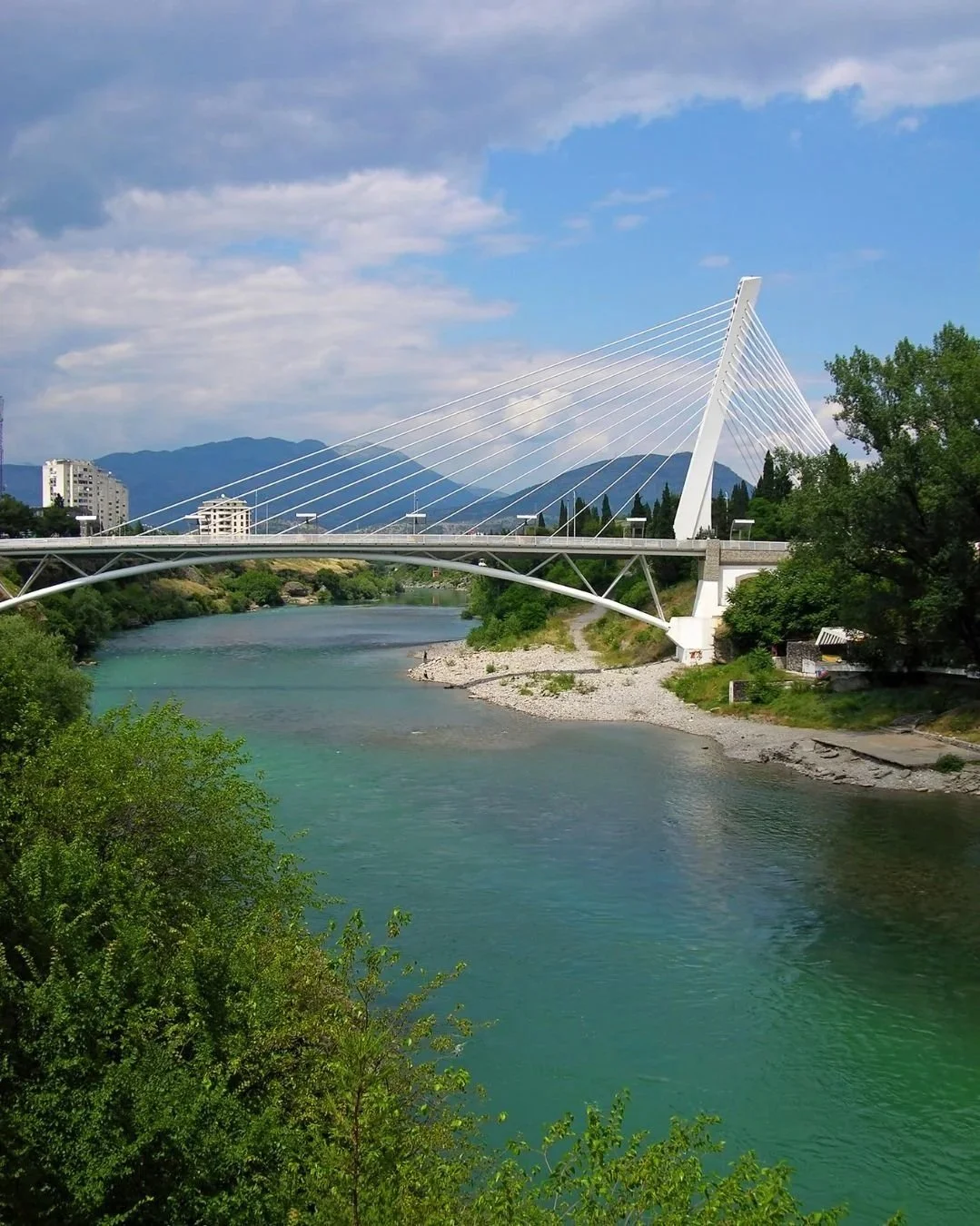
The Millennium Bridge, one of Podgorica's best known landmarks.
13. Montenegro Is Just Kotor, Budva, and Durmitor
Travel photos tend to recycle the same handful of names, which makes it easy to assume the country's highlights begin and end there.
The Best Parts Rarely Make the Itinerary
Grebaje, tucked into the Prokletije valley, feels like a natural amphitheater ringed by steep peaks, enclosed and vast at the same time, shaped almost entirely by the landscape rather than by people.
Karuč, a small settlement on Lake Skadar, moves at its own pace, with houses, water, and vegetation woven together into a lived-in landscape rather than a curated one.
Godinje, a traditional village above the lake, keeps its stone architecture and narrow streets largely untouched by tourism, a preserved fragment of an older way of life. It's the kind of place I'd tell a friend about quietly over coffee, not post about online.
The Luštica Peninsula opens up once you leave the main coastal road, olive groves, scattered coves, and winding lanes that feel isolated despite sitting close to major coastal towns.
The Komovi mountains bring one of the country's most striking alpine landscapes: sharp relief, wide horizons, and a sense of scale that stands apart from Durmitor's more developed trails.
The famous names are famous for a reason. But it's the places outside the usual route that tend to stay with people the longest.
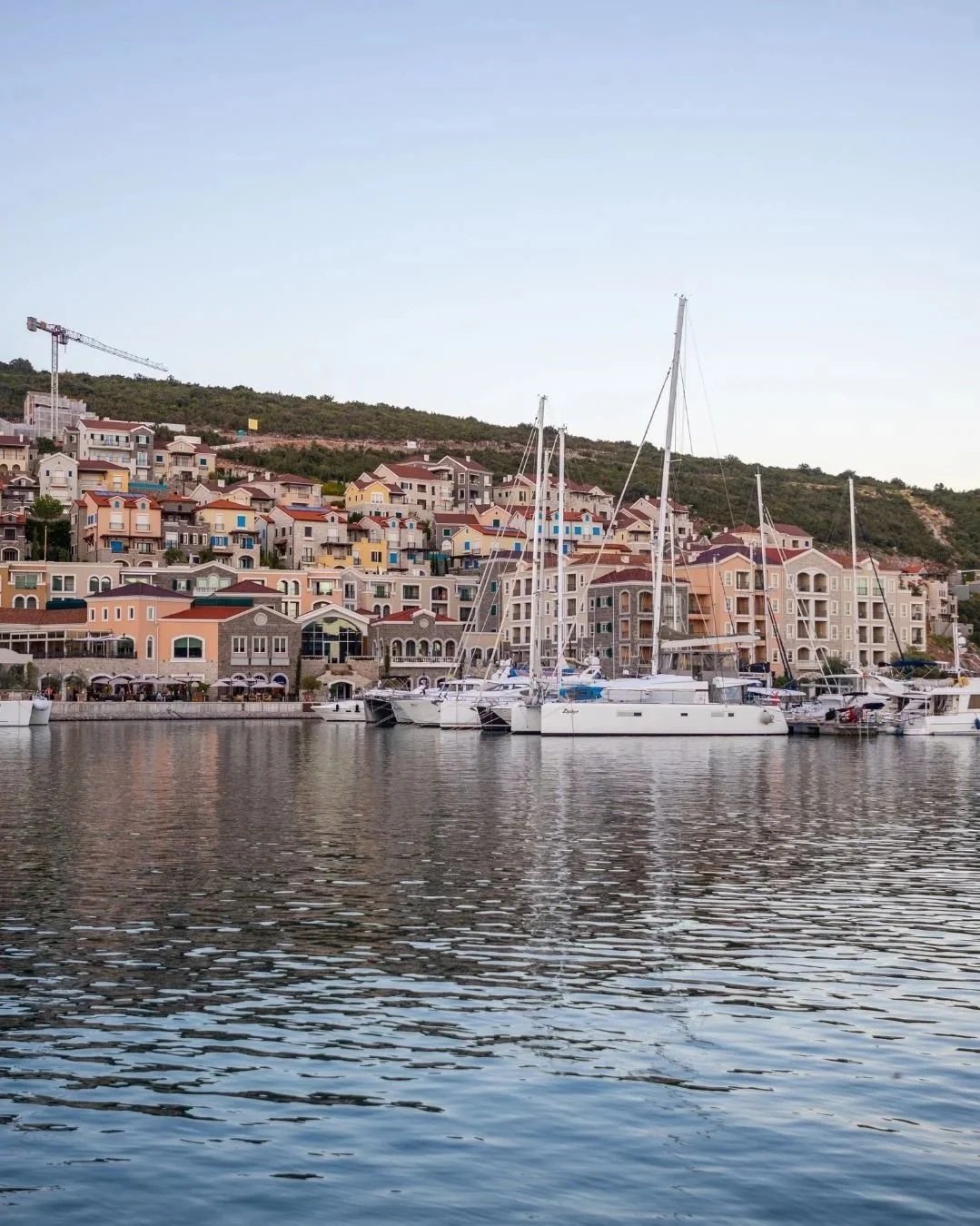
Luštica Bay on Montenegro's Adriatic coast.
14. Getting Around Montenegro Is Complicated
Mountain roads and rapidly shifting terrain packed into a small area can make the logistics look intimidating before you've even landed.
Everything Is Closer Than the Map Suggests
In practice, most changes in landscape show up within 20 to 60 minutes of driving. From Kotor, it takes under an hour to reach the mountain air of Lovćen. A similar shift happens between Budva and Lake Skadar, where the coast gives way to a quieter inland setting almost without warning.
Coastal towns like Kotor, Tivat, and Budva sit close enough together that visiting several in one day rarely requires much planning. Even the longer drive north toward Žabljak or Durmitor National Park turns into part of the experience rather than dead travel time, given how much the scenery keeps changing along the way.
What looks complicated on a map tends to translate into short, intuitive drives once you're actually on the road.
15. Montenegro Is Just Another Mediterranean Country
Sea, sun, and stone towns fit neatly into the familiar Mediterranean template, which makes it tempting to file Montenegro alongside every other coastal destination in southern Europe.
A Condensed Version of Half of Europe
The sea shifts character by location calm and enclosed in the Bay of Kotor, wide open further along the Adriatic offering different rhythms within short distances.
The mountains rise almost immediately behind the coast, skipping the gradual buildup found in most other Mediterranean countries and putting alpine terrain within reach of a beach afternoon.
Culture carries centuries of overlap,Venetian, Ottoman, and local traditions sitting side by side in architecture and everyday customs.
Food splits cleanly along the same lines as the landscape, from coastal Mediterranean cooking to hearty mountain fare in the north.
Nature moves between sea, lakes, rivers, mountains, and canyons without long travel times separating them, keeping the scenery in constant motion.
History sits in the background of nearly every town, whether in coastal fortresses or inland archaeological traces.
Add it up, and Montenegro stops looking like a typical Mediterranean stop and starts looking like a condensed cross-section of several different European landscapes, all reachable within the same short trip.
Still wondering if Montenegro is the right destination for you? Read our guide on whether Montenegro is worth visiting and what makes it unlike anywhere else in the Mediterranean.
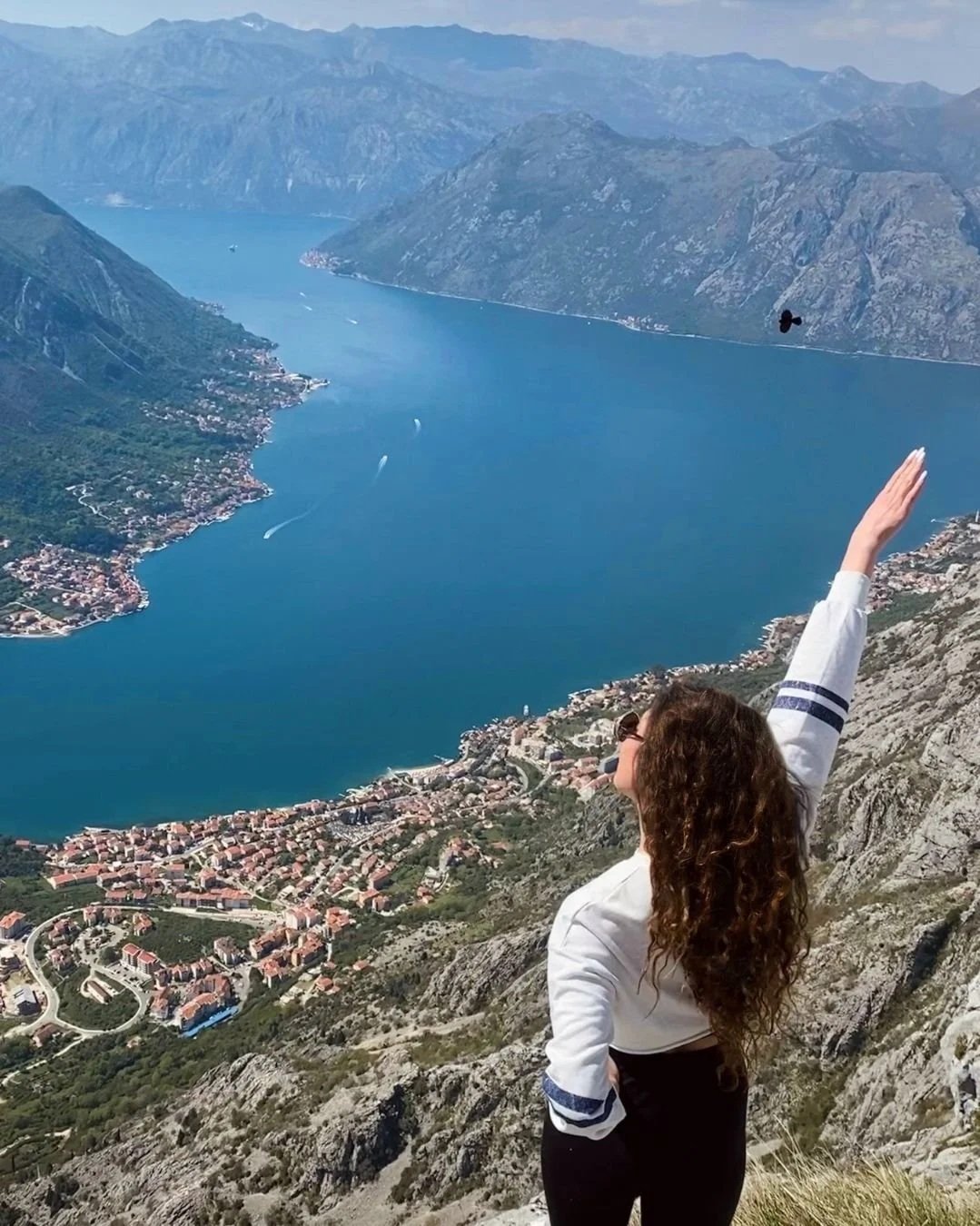
Panoramic view of the Bay of Kotor surrounded by mountains.
Beyond Expectations
Montenegro rarely matches the picture people build before arriving. What starts out looking simple, a short coastline, a few well-known towns, maybe a mountain excursion, turns into something that keeps changing direction. Climate, scenery, and pace all shift repeatedly over short drives, as if several small countries had been pushed together into one.
The real issue was never a lack of research. It's that most travelers arrive holding too many pre-formed images. Montenegro photographs easily, but it plays out completely differently in motion, when the coast disappears around a bend and the mountains show up in the same afternoon.
What's left afterward isn't one defining image, but a sense of how much variety fit into so little space. And that's usually the reason so many people come back with a completely different plan than the one they started with.