Montenegro Legends: 5 Famous Stories Behind Its Most Beautiful Places
What makes certain places special is often not only their appearance or popularity, but also the stories connected to them, passed down from generation to generation. It is not always clear how true these stories are, and maybe that is not even the point.
These stories are called legends. And perhaps that is exactly where their magic lies, you start believing in wonders, without questioning reality.
In Montenegro, many legends are connected to places that you can still visit today, as well as to people who are part of its history and culture.
In this text, we have selected five of the most famous legends in Montenegro.
1.Legend of the Island of Our Lady of the Rocks
A Place That Did Not Always Exist
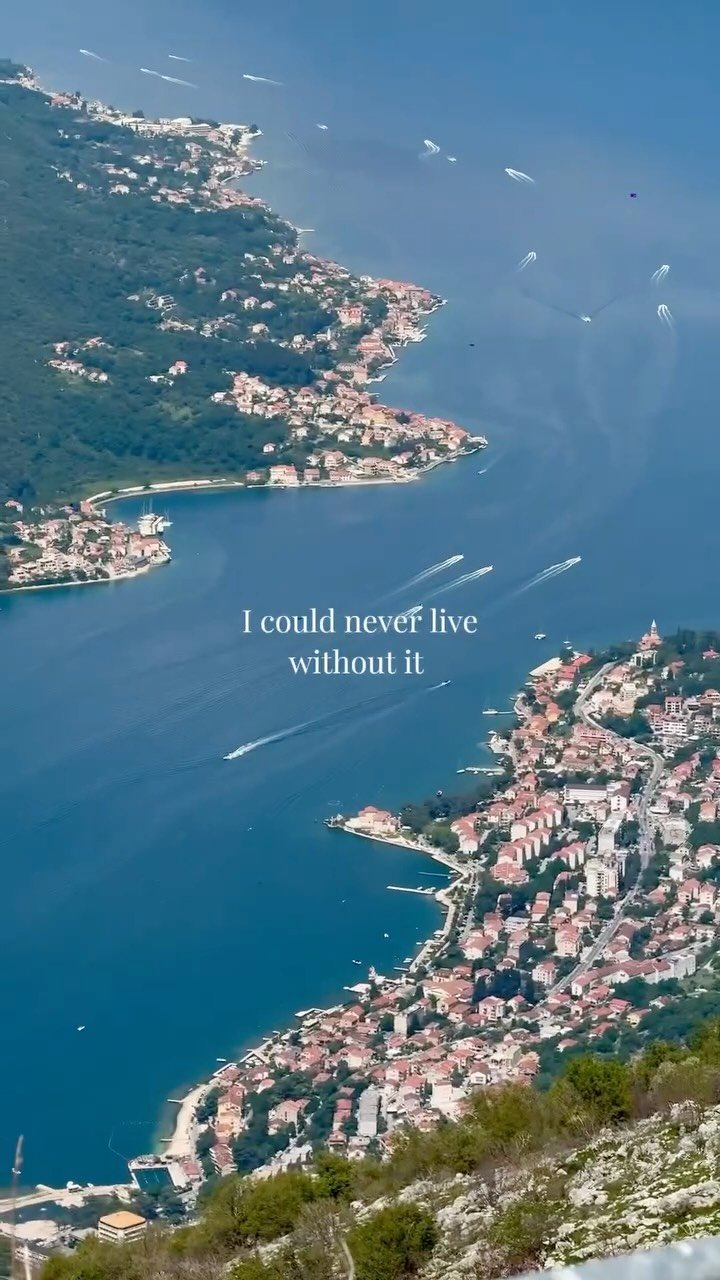
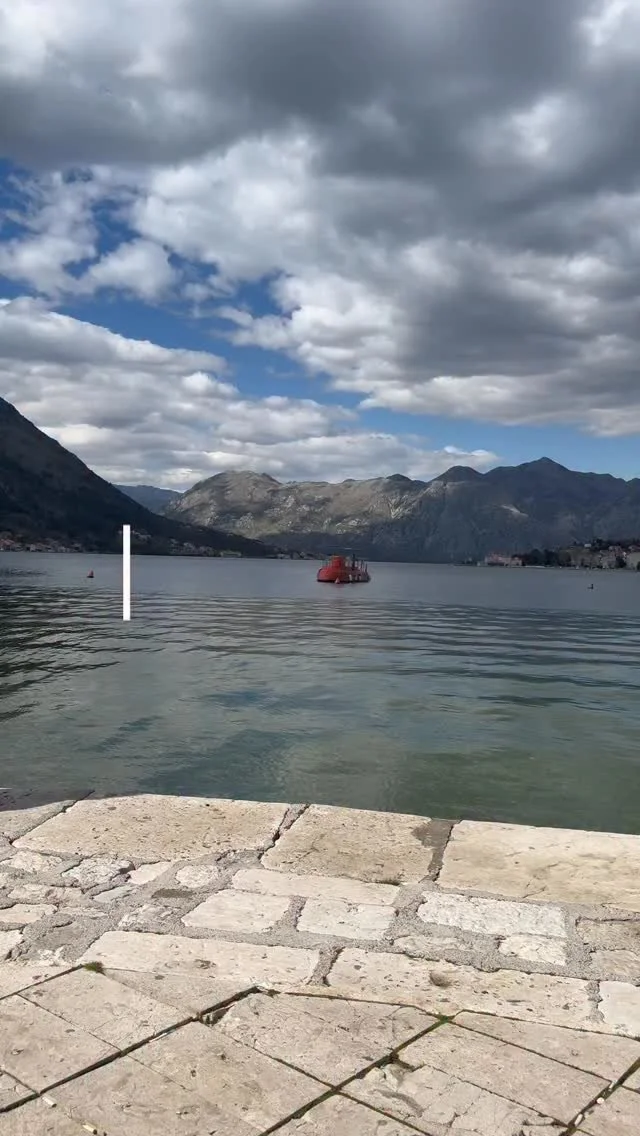
The island of Our Lady of the Rocks is located in the Bay of Kotor and is one of the most beautiful and most visited places in Montenegro. What many don’t know - it is actually an artificial island, the only one of its kind in the Adriatic Sea.
Most legends connected to the sea and coastal towns are linked to seafarers, as this was once one of the most common professions in these areas.
Škrpjel is an old name for a reef, a small rock in the sea. It was around such a reef that the people of Perast spent centuries adding stones, gradually creating the island that exists today.
The legend says that two fishermen from Perast, while returning from fishing, noticed a strange light on a small reef near the town. When they got closer, they saw an icon of the Virgin Mary and brought it back home to Perast.
However, the very next day, the icon disappeared. They searched for it everywhere- no luck. Then they sailed again to the sea and found the icon again in the same place. This happened several times. Each time it was taken to town, it would return to the reef.
The people of Perast saw this as a sign and decided to build a church dedicated to the Virgin Mary on that spot. They began throwing stones around the reef, and over time they “took” land from the sea and created an island where the church was built.
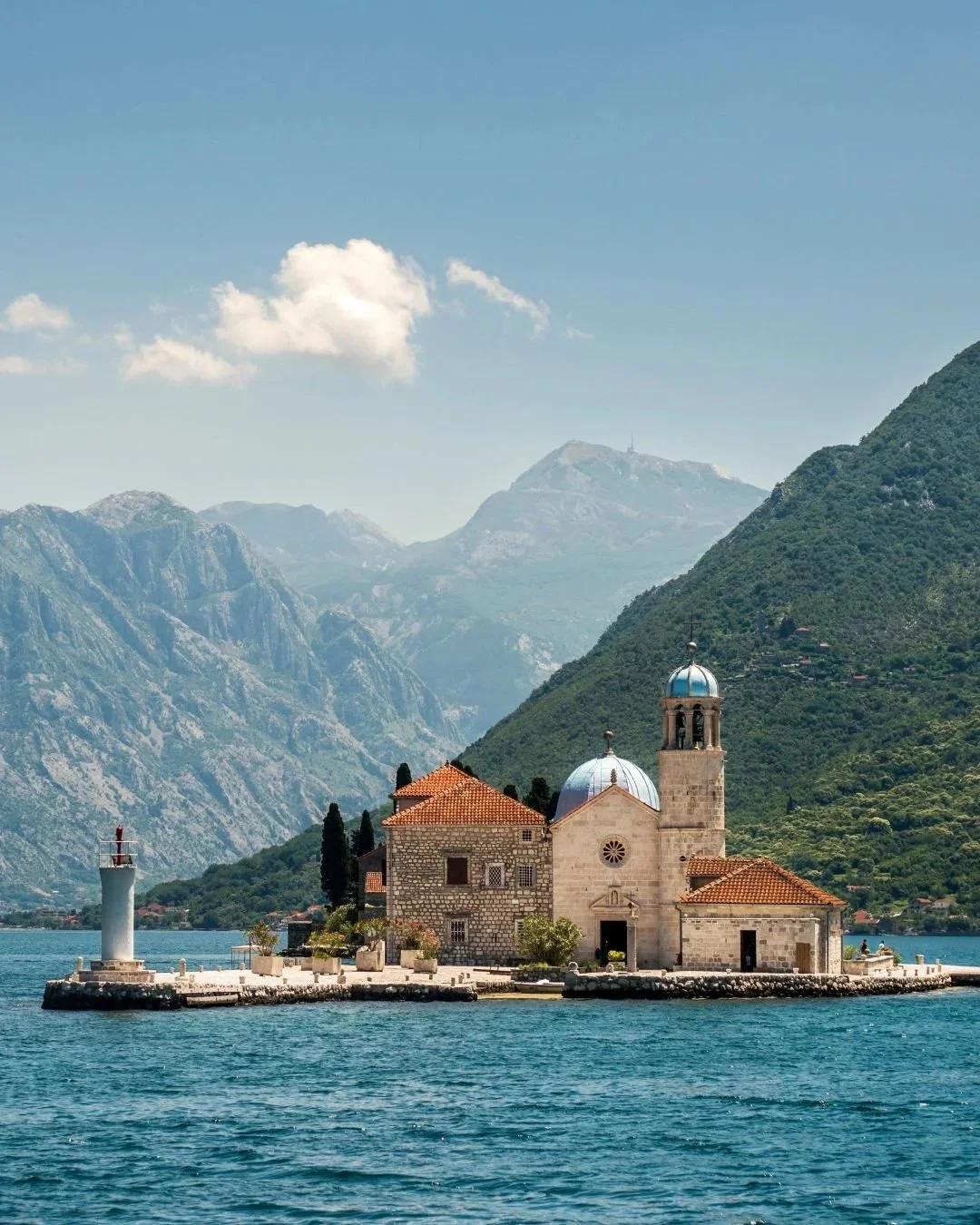
Our Lady of the Rocks, a historic island church near Perast in the Bay of Kotor
The Day of Saint Mary Magdalene, July 22nd, is still marked as the beginning of this tradition. On that day, the people of Perast and nearby towns circle the island in small boats and add stones to the sea, continuing a tradition that has lasted for centuries.
This place has long been a saint protector of seafarers. Before long journeys, they would come here to pray for calm seas and a safe return, while mothers, wives, and fiancées waited for news from distant voyages. Over time, the church became filled with gifts, silver plates, paintings, and personal objects left behind as signs of gratitude, hope, love, and survival.
Today, the island is also closely connected with love and new beginnings. Small weddings are still held in the church, and part of the tradition is for the bride to leave her bouquet near the altar after the ceremony, as a symbol of happiness and a lasting marriage. On the walls next to the altar, you can still see many bouquets left over the years, some are fresh, while others have been there for a long time, yet they still keep their shape and beauty, like quiet traces of all the special moments that have taken place here.
One of the most famous stories connected to the island is about, a woman from Perast who spent 25 years embroidering a tapestry while waiting for her husband to return from the sea. It is said that she even used strands of her own hair in the embroidery as the years passed. The tapestry can still be seen inside the church today, together with hundreds of other objects that quietly tell the stories of people whose lives were connected to the sea.
If you are looking for a highlight of your trip in Montenegro, check out our speedboat tour in Boka bay.
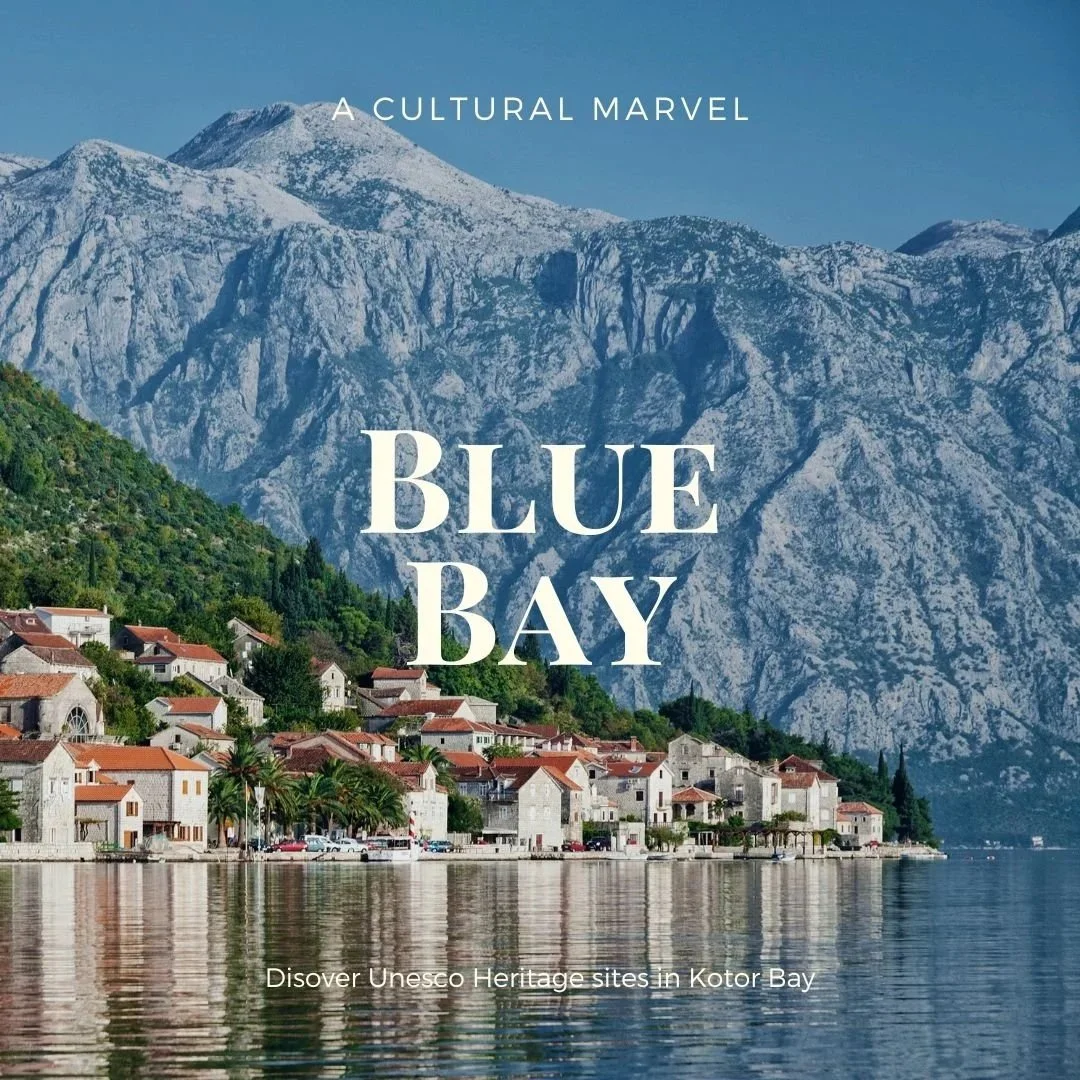
Blue Bay Kotor & Perast Private Tour | Montenegro
2. Legend of Tre Sorelle
The House of Three Sisters That Still Keeps the Story
The legend of the three sisters is one of those stories that has been told for years and always brings out some emotion. Because of that, it has often been an inspiration for films and theatre plays.
It comes from Prčanj, a small village in the Bay of Kotor, located between Kotor and Tivat. Prčanj still carries traces of its maritime past through stone houses and a quiet waterfront that reflects the time when the sea was the main connection to the wider world. It is a place rich in history and culture, also known for its spiritual sites that give it a calm character and a strong sense of continuity through time.
The story says that three sisters Fiomena, Gracijana and Rina were known for their beauty and modesty. All three of them fell in love with the same man, a seafarer named Jerko.
Since he could not decide which one he wanted to marry, he chose to leave on a long journey and said that, when he returned, he would choose the one who had waited for him. The sisters waited for him for years, each at her own window, looking out towards the sea.
As time passed, they slowly grew older. Then they made an agreement, when one of them died, the others would wall up her window. In that way, Jerko would know which sister was still waiting for him.
When the oldest sister died, the other two walled up her window. After that, the second sister died, and the third followed the same agreement. When the third sister died, also without ever seeing the seafarer return, there was no one left to wall up her window. That window has remained open to this day.
The legend of the three sisters is still connected to the house of Tre Sorelle, which still stands today with two closed windows, as a quiet reminder of this story, while the legend itself is protected as an intangible cultural heritage of Montenegro.
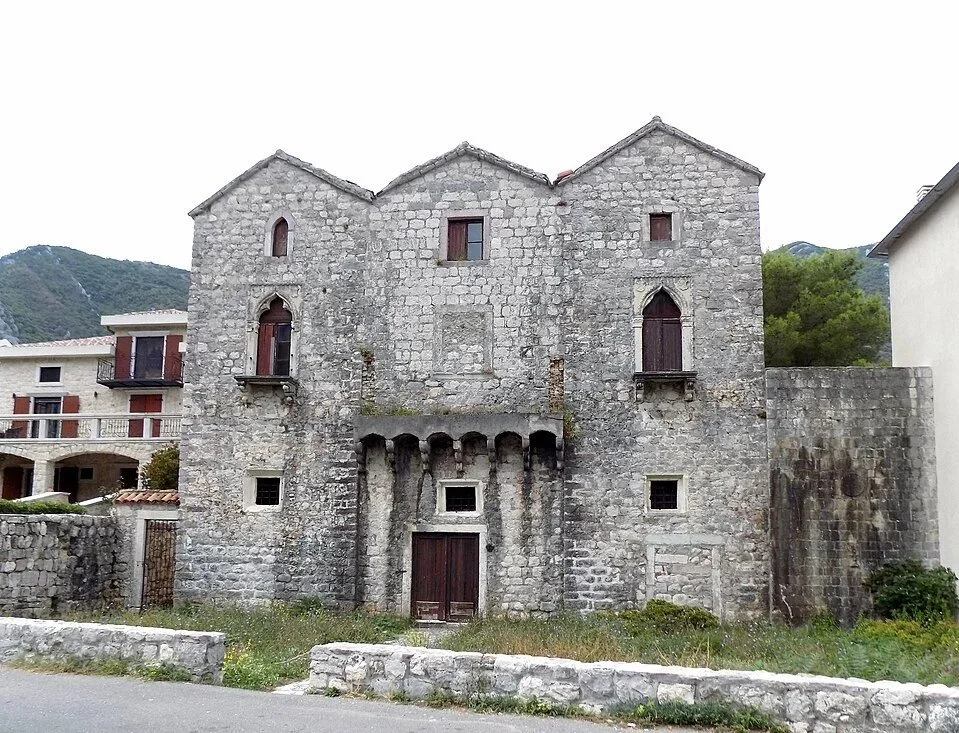
Photo: Milica Buha
Tre Sorelle House in Prčanj | Legend of the Three Sisters, Montenegro
3. Legend of the Skočiđevojka Viewpoint
A Cliff Where Stories of Love and Choice Still Linger
In almost every part of Montenegro, there is some love story. How true they are is hard to say, but people still tell them, and everyone chooses which version they believe.
The legend says that a girl named Ruža was waiting for her loved one who was far away at war. In the meantime, her stepmother promised her to another man, even though she never wanted to give up the love she was still holding on to.
One day, on a cliff above the sea near Budva, she came face to face with the reality she could no longer avoid. With no way forward that felt right to her, she made a decision that, in that moment, felt like the only way to stay true to herself- she jumped from the cliff into the sea.
Because of this story, this place in Reževići near Budva is still known as Skočiđevojka.
About this legend, Stefan Mitrov Ljubiša also wrote, but in a slightly different version. In his record, Ruža was running away from two bandits who were trying to surround her. With no way to escape, the cliff became her only way out.
He also wrote that her fiancé later became a pasha (a high-ranking governor or ruler in the Ottoman Empire) and when he heard about her death, he was deeply shaken and wished to die as well. However, the local monastery abbot stopped him and guided him instead toward prayer and reflection for her soul.
As with many legends, the versions differ, but the feeling remains the same, a story of love, fate, and the heavy choices people sometimes make.
Standing there today, knowing the story behind it, changes the way you experience the place completely.
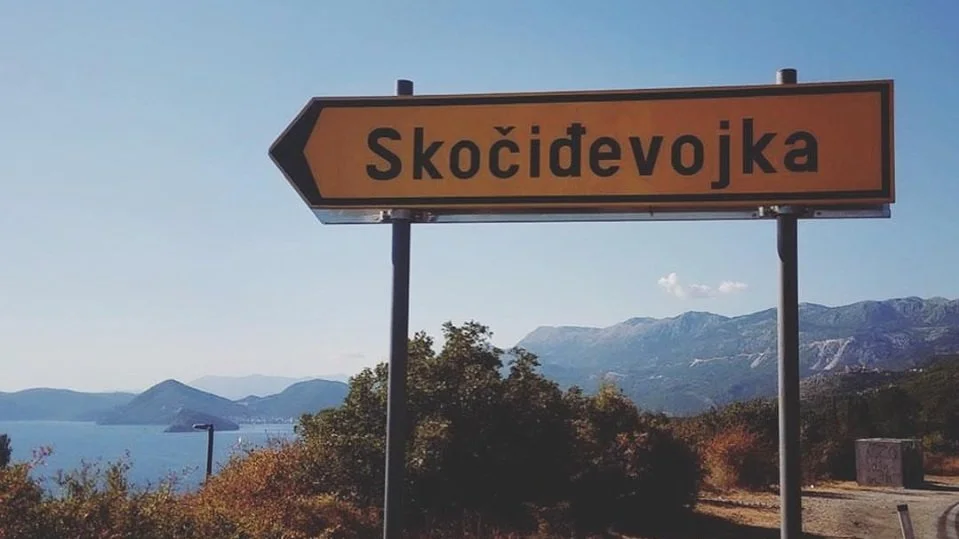
Photo: rtvbudva
Skočiđevojka Viewpoint Near Budva | Montenegro
4. Legend of the Fairy from Štirovnik
The Story of a Fairy Who Saved a Soldier
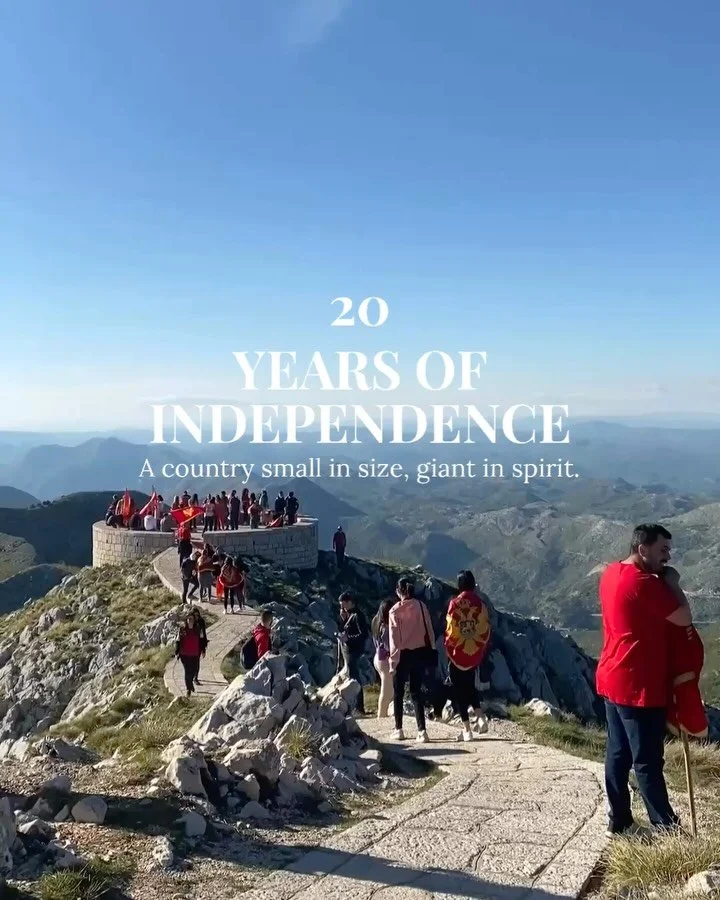
Many stories and beliefs have long been connected to Lovćen. People used to say that its peaks were home to fairies and witches, and that this was where their secret gatherings took place.
Because of this, Lovćen has always had a different feeling, not only because of its nature, but also because of the stories connected to it. If you want to experience the atmosphere of this mountain and the places tied to its history and legends, you can explore Lovćen, Njeguši & Cetinje experience.
One of those stories is about a fairy from Štirovnik and a young man whose life she saved.
During 1916, in a time of war, a young man named Petar Jakov was called to defend Lovćen. Although he was young, he did not want to hide and chose to join the fight.
At one point during the battle, a shell explosion badly wounded him. As he lay there injured, through the fog, as it was later said, he saw a fairy and then lost consciousness.
After a few days, he woke up in a cave, at the Bižaljevac pasture, below Štirovnik. Shepherds found him there, far from the place where he had been wounded.
Petar eventually recovered, and for the rest of his life he told this story, convinced that it was the fairy who had saved him.
Even today, this legend is still told as one of those stories that give Lovćen that special, slightly mysterious feeling.
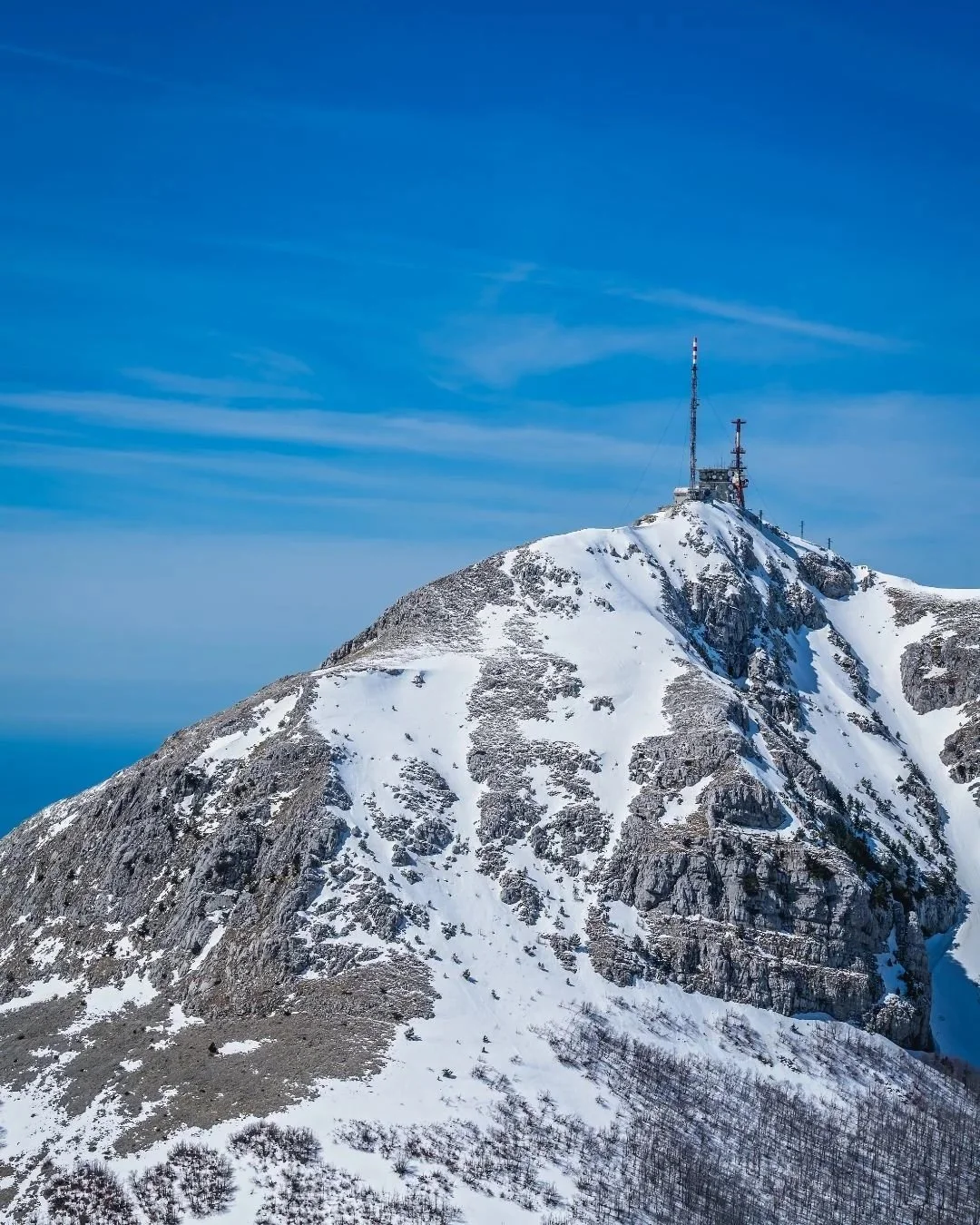
Štirovnik, one of the highest peaks of Lovćen in Montenegro
5. Legend of the Origin of the Rijeka Crnojevića
A tale from the Obod cave
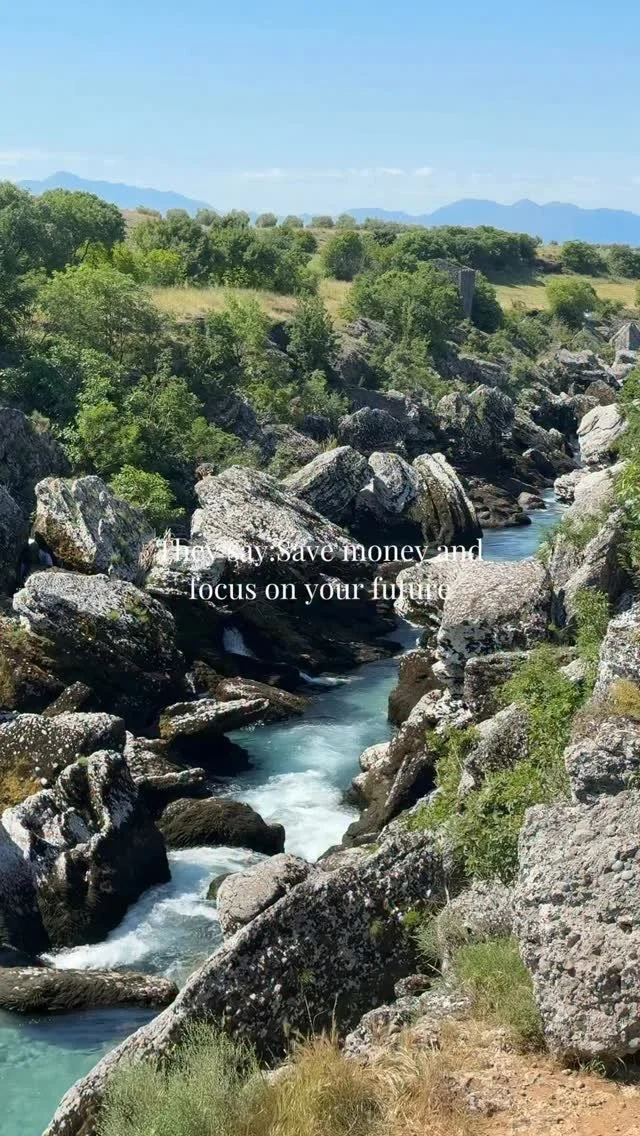
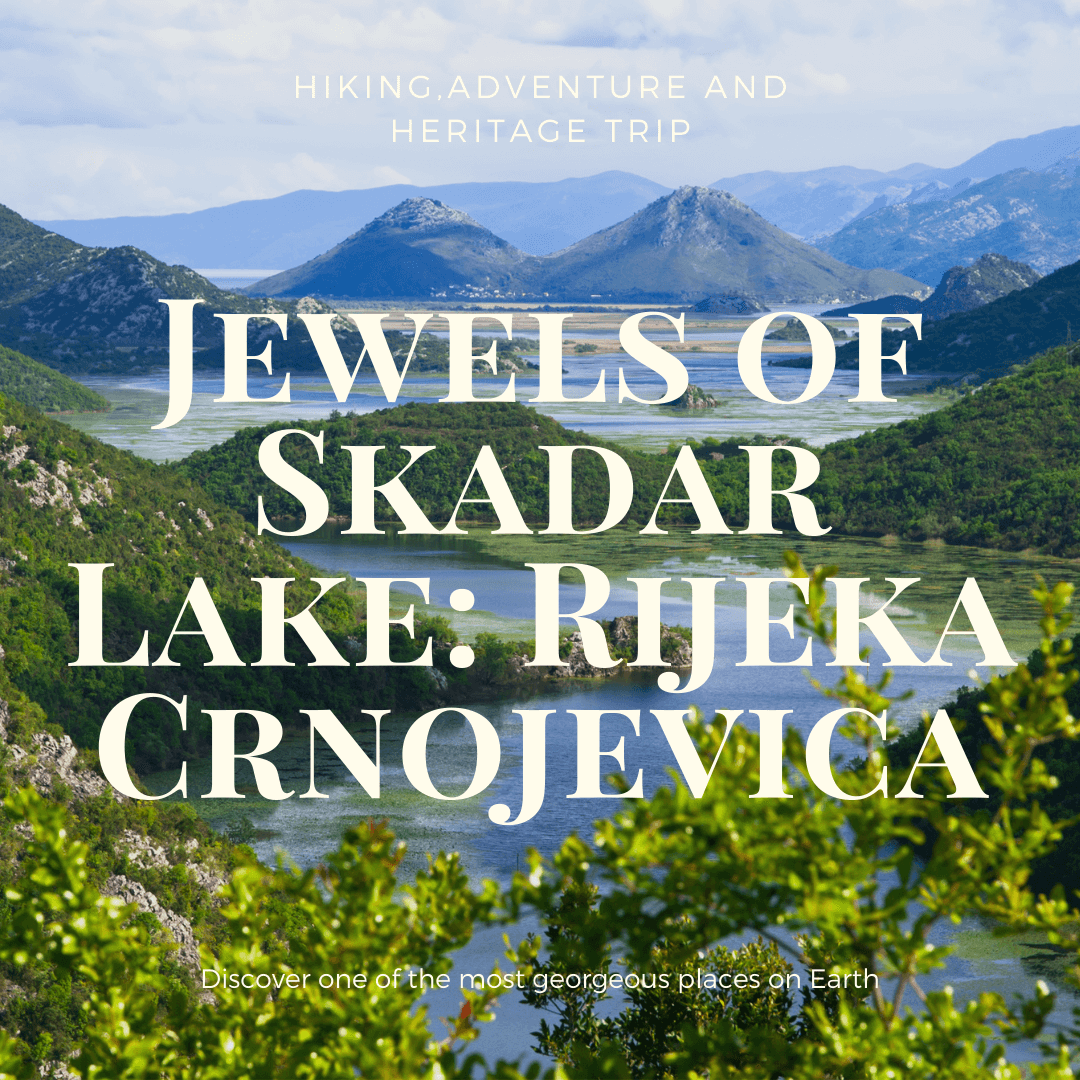
One of the most historically important places in Montenegro is Rijeka Crnojevića. Located between hills and Lake Skadar, this river and settlement have attracted travelers, artists, and people who love quieter places for centuries.
The river begins as a large spring under the Obod rock, then winds through hills and small islands, and finally flows into Lake Skadar. Today it looks calm, but its story is much more alive than it seems at first sight.
The legend is connected to Ivan Crnojević, the ruler of Zeta (former name of Montenegro). It says that he once came hunting in the Obod area with his entourage. While searching for game, they came across a cave. From it, a large wild goat suddenly jumped out. The hunters were surprised by its strength and appearance, so they chased it. Soon they caught it and killed it.
At that moment, from the same cave where the goat came out, they heard a strong sound, and then a large flow of water burst out, so strong that it almost carried away the ruler and his entourage.
From that moment, according to the legend, a river has been flowing continuously from that rock. This is how, according to folk tradition, Rijeka Crnojevića was created. Despite everything, this story still lives among people in that place and is passed on to new generations.
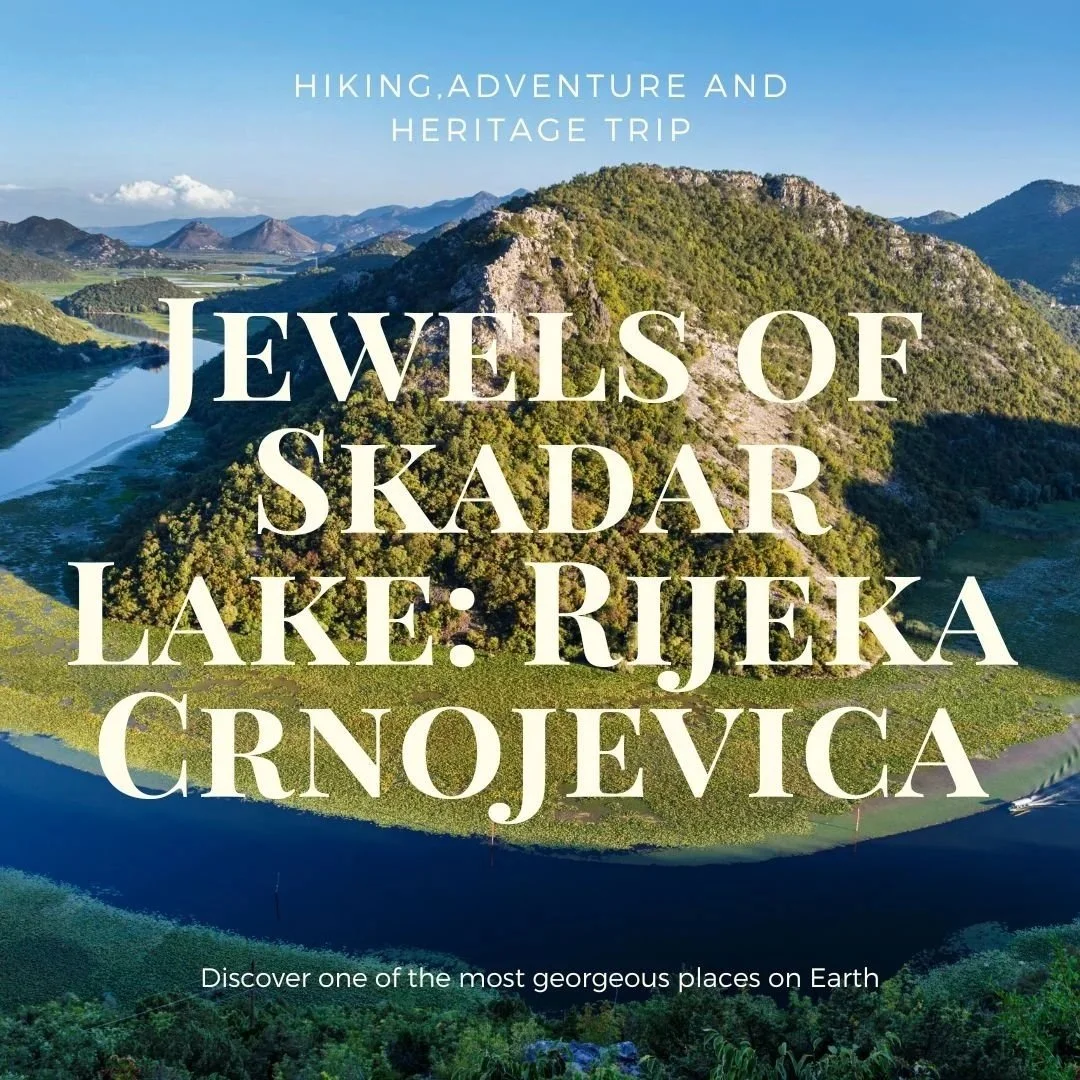
Rijeka Crnojevića on Skadar Lake in Montenegro, part of a scenic tour combining hiking, boat ride, and wine tasting.
Why These Legends Still Live On
These stories may never have one clear version or proof of how exactly they happened. But maybe that is not the point at all.
Each legend carries something from the place it belongs to, the way people once understood the world, how they explained what they could not explain, and how they gave meaning to the landscapes around them.
Today, when you visit these places in Montenegro, it is difficult to see them only as dots on a map. Between the sea, the rocks, the old villages, and the mountains, there is still a feeling that something remains, a story you can sense, even if you don’t fully see it.
And maybe that is exactly why these legends continue to live on.
If you want to experience these stories in a more personal way and hear the details behind them while visiting the places themselves, our guided tours are designed exactly for that shaped around meaningful routes, local stories, and the places where history and legend meet. You can explore more and book your experience through our contact page.



Follow us on Instagram: