
10 Things That Surprise Travellers in Montenegro-And Make Them Want to Come Back
When travellers first hear about Montenegro, it’s often described simply as a place where mountains meet the sea. And while that image is undeniably beautiful, it barely scratches the surface of what our remarkable destination truly offers.
Montenegro is not a place you fully experience in a single summer, it’s a country that reveals itself slowly, through moments rather than landmarks. It lives in the quiet stillness of morning light over the Bay, the scent of wild herbs carried through mountain air, and the feeling of standing somewhere so untouched it feels like a secret.
What surprises visitors most is not just the dramatic landscapes, but how deeply personal the experience becomes. Surrounded by mountains, lakes, rivers, and coastline all within reach, Montenegro creates a rare sense of immersion. Whether it’s watching the sunset from Lovćen or wandering through coastal towns that seem to glow anew each summer, every return feels like the first time.
This is a destination that stays with you. Travellers don’t just visit Montenegro—they form a connection with it. A hidden beach, a quiet village, a winding mountain road… somewhere along the way, it begins to feel like home.
In this guide, we’ve curated 10 surprising things that consistently capture the hearts of travellers, and keep drawing them back to Montenegro, again and again.
1. How small the country is
What surprises most visitors when they choose Montenegro as their destination is its size. Looking at the map, with all the mountains and the sea, it seems that the cities and natural attractions are far from each other. However, when they arrive, they realize it is very easy to get from one destination to another, by land or sea, at a slow or fast pace, everything is within reach.
Montenegro is a small country located on the Balkan Peninsula. It covers an area of about 13,800 km² and has around 650,000 inhabitants. Its capital is Podgorica, while Cetinje is the historical capital. It is widely known for its mountainous terrain and access to the Adriatic Sea. Small in size but big in everything you can discover here. This means you can have your morning coffee in Budva, be on Lovćen in the afternoon, and have dinner in Kotor in the evening, all without feeling like you’re constantly traveling.
Examples of distances:
Budva is about a 30-minute drive from Kotor, and the route feels like a perfect painting from the finest artist, winding through streets, viewpoints, and small bay towns that complete the experience.
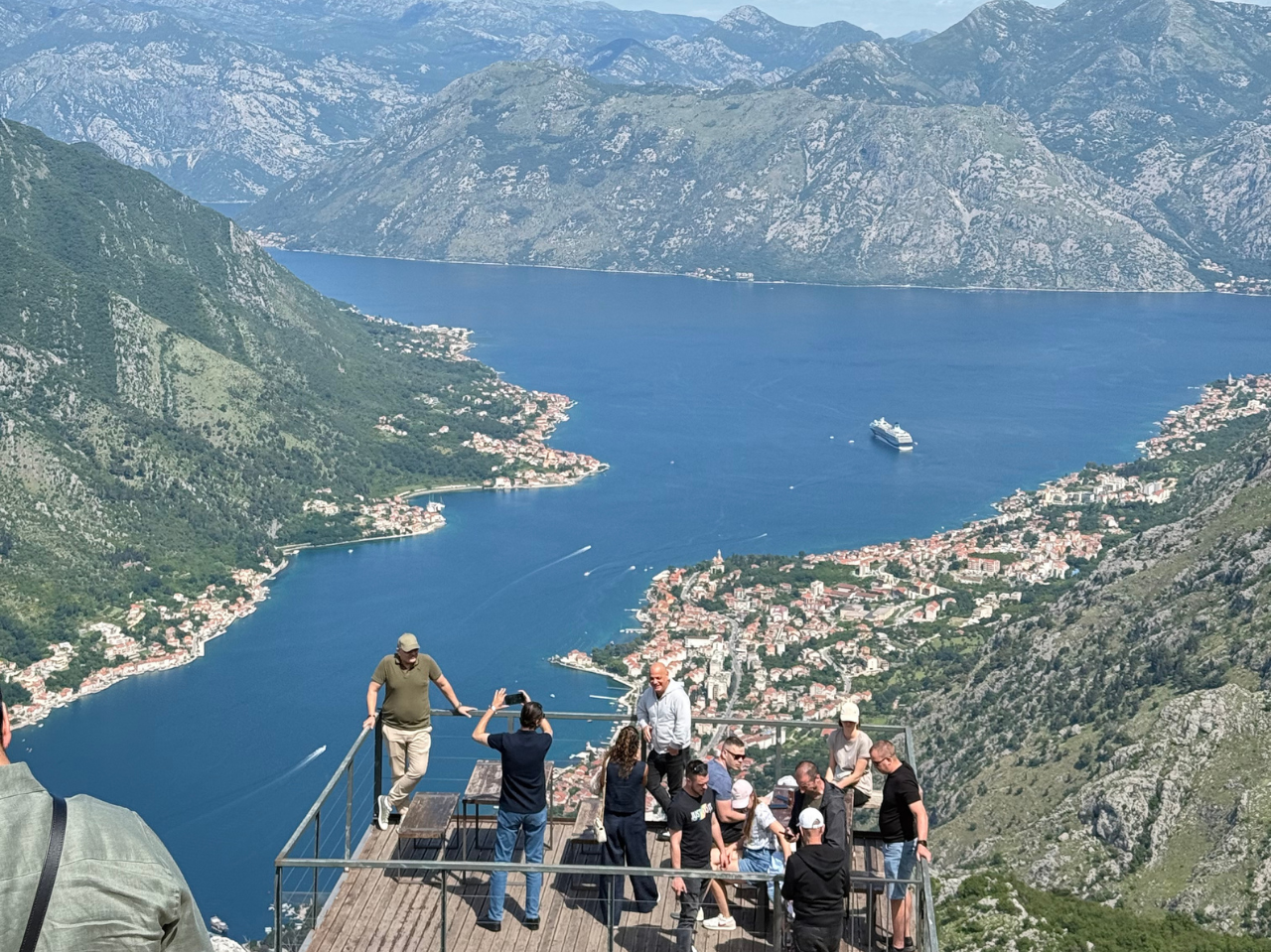
Bay of Kotor Montenegro panoramic view with mountains sea and old town
Podgorica is about 40 minutes from Skadar Lake, but when you arrive and see the large body of water that many might mistake for the sea, your heart beats like a child seeing the ocean for the first time. At Skadar Lake, you can enjoy a boat ride, admire the flowers and water lilies, or observe the many bird species for which the lake is famous.
Kotor is about an hour from Lovćen National Park, one of the best places in Montenegro, but the transition from the coastal climate and old town to the mountain climate, fresh air, and panoramic views of the entire Bay of Kotor is the most beautiful experience, both at sunset and at night when thousands of lights illuminate the town.
Why this is a surprising experience:
Tourists from large countries often plan vacations as point-to-point journeys, or Montenegro is just another country on their checklist. Usually, they come prepared with maps, time schedules, and kilometers to cover. In many countries, distances between attractions mean hours of driving, and the feeling of “time lost” in transit. In Montenegro, this dynamic is different. Due to the compact size of the country, distances are relatively small, but the landscapes change surprisingly fast. This allows for spontaneous exploration and the feeling that each day can contain multiple experiences. This combination of closeness, landscape diversity, and spontaneity often surprises tourists, they realize they can see and experience more than expected without rushing, stress, or “wasting time on transport.” Every step and pause becomes part of the experience, not just a means to get somewhere.
2. How quickly the scenery changes
The next thing that will surprise you most in Montenegro is how quickly the scenery changes, literally from minute to minute. You can start at the beautiful Skadar Lake with water lilies, reeds, and endless water, wondering about frogs, snakes, birds, what a new world this is, and the next moment, you are in a Mediterranean environment where the sun, palms, stone houses, and boats dominate the scene. And if you wish, your adventure can be completed with a mountain landscape: sharp peaks, high altitude, changing pressure and temperature, forests, and medicinal and endemic plant species.
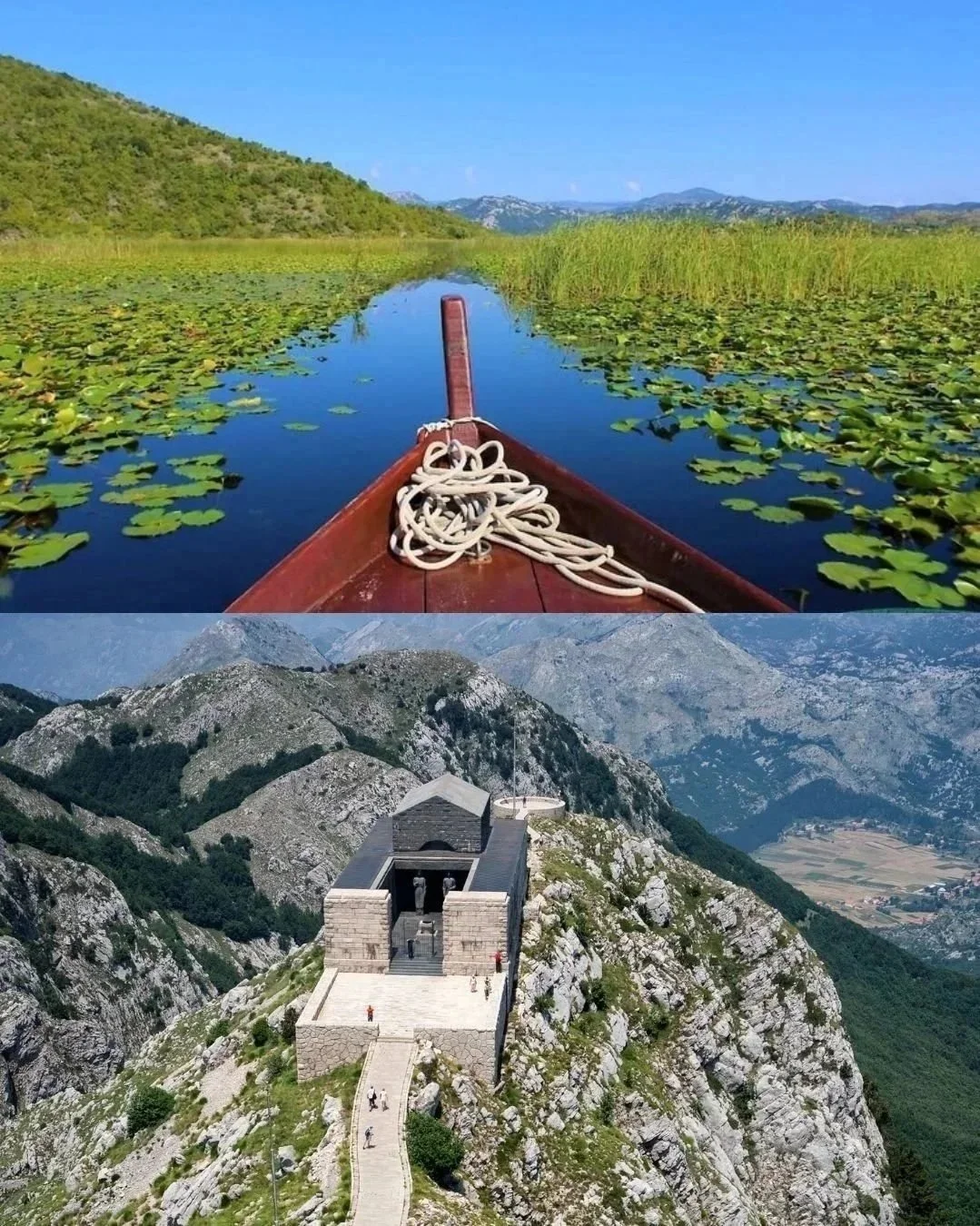
Beautiful Skadar Lake and Lovcen mountain
For example, when driving from Kotor towards Lovćen National Park, the switchbacks reveal mountain valleys, dense forests, and stone paths leading to viewpoints with breathtaking views of the entire Bay of Kotor. The change is not gradual or predictable, the sudden appearance of mountain ridges, the smell of pine, and cooler air surprise you, while just minutes earlier, you were enjoying peace by the shore and the sound of waves.
The same goes on the way north: from Podgorica, in just 20 minutes, you will reach Morača Canyon, where the river roars through huge rocks, and the classic valley landscape is replaced by the dramatic nature of the canyon. Travellers from flat or urban countries are often left breathless, as they are not used to experiencing so many different visual and emotional impressions in such a short time.
If you’d like to experience this contrast of landscapes in one journey, consider our panoramic excursion connecting Montenegro’s top sights.
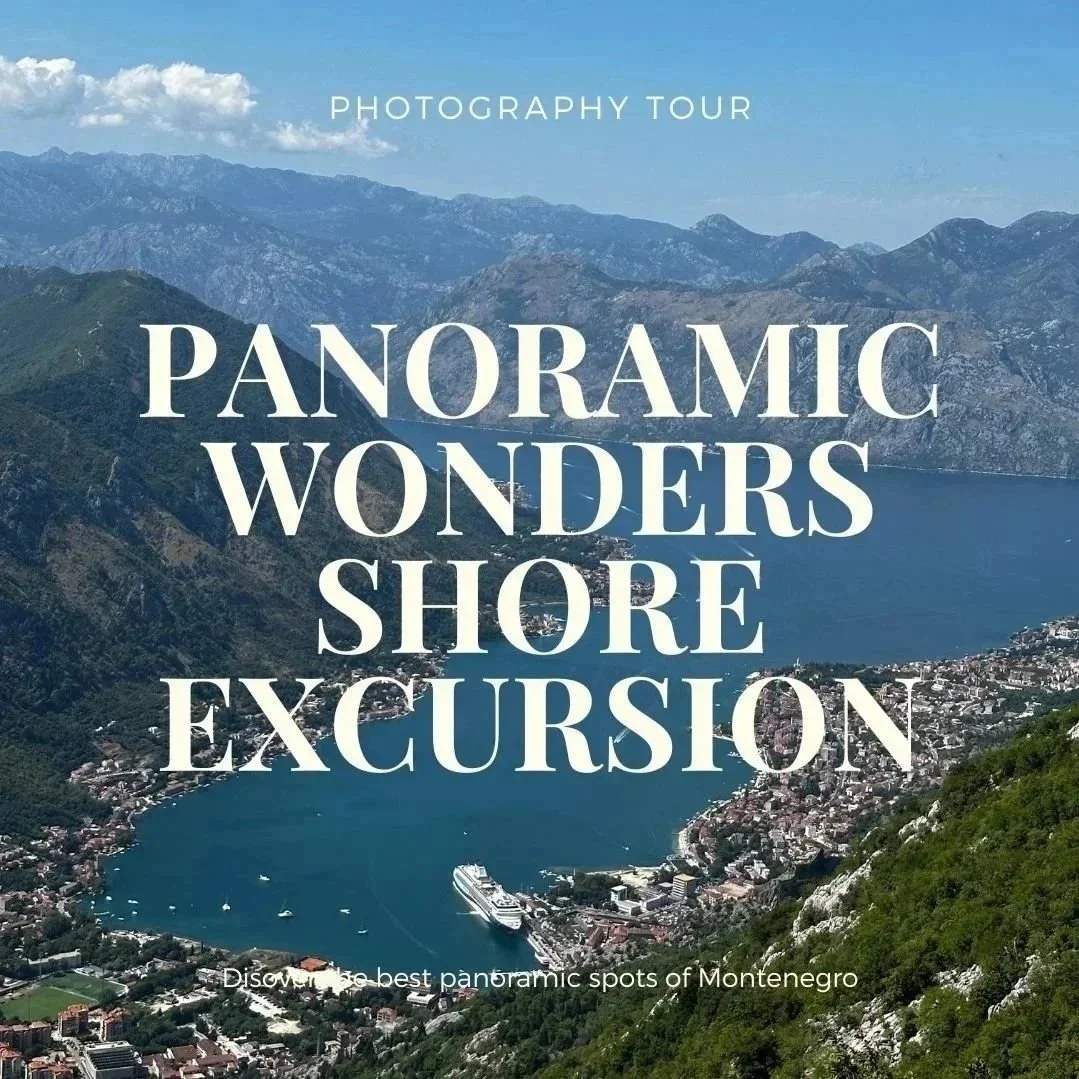
Discover panoramic spots of Montenegro
Why travellers are surprised by how quickly landscapes change in Montenegro
This rapid change of scenery makes driving through Montenegro an experience in itself. Every switchback, viewpoint, and small pause brings a new perspective. From peaceful beaches and small coves to old stone bridges in mountain villages, to dense forests and lakes of high mountain massifs. Travellers often say that in Montenegro, they feel like they are traveling through different worlds, or perhaps better said, like jumping through portals that are connected but each magical in its own way. That sudden and dramatic change of scenery leaves a strong impression that stays long after returning home.
3. How raw and untouched nature still is
The richness of Montenegro’s natural and wildlife always surprises visitors. While in many tourist countries, landscapes are reshaped and commercialized, here mountains, rivers, canyons, and lakes still radiate a sense of natural wilderness, untouched and authentic. Walking mountain trails, you rarely encounter crowds, and every stone, pine, or flower seems to have stood there for centuries, unchanged by humans.
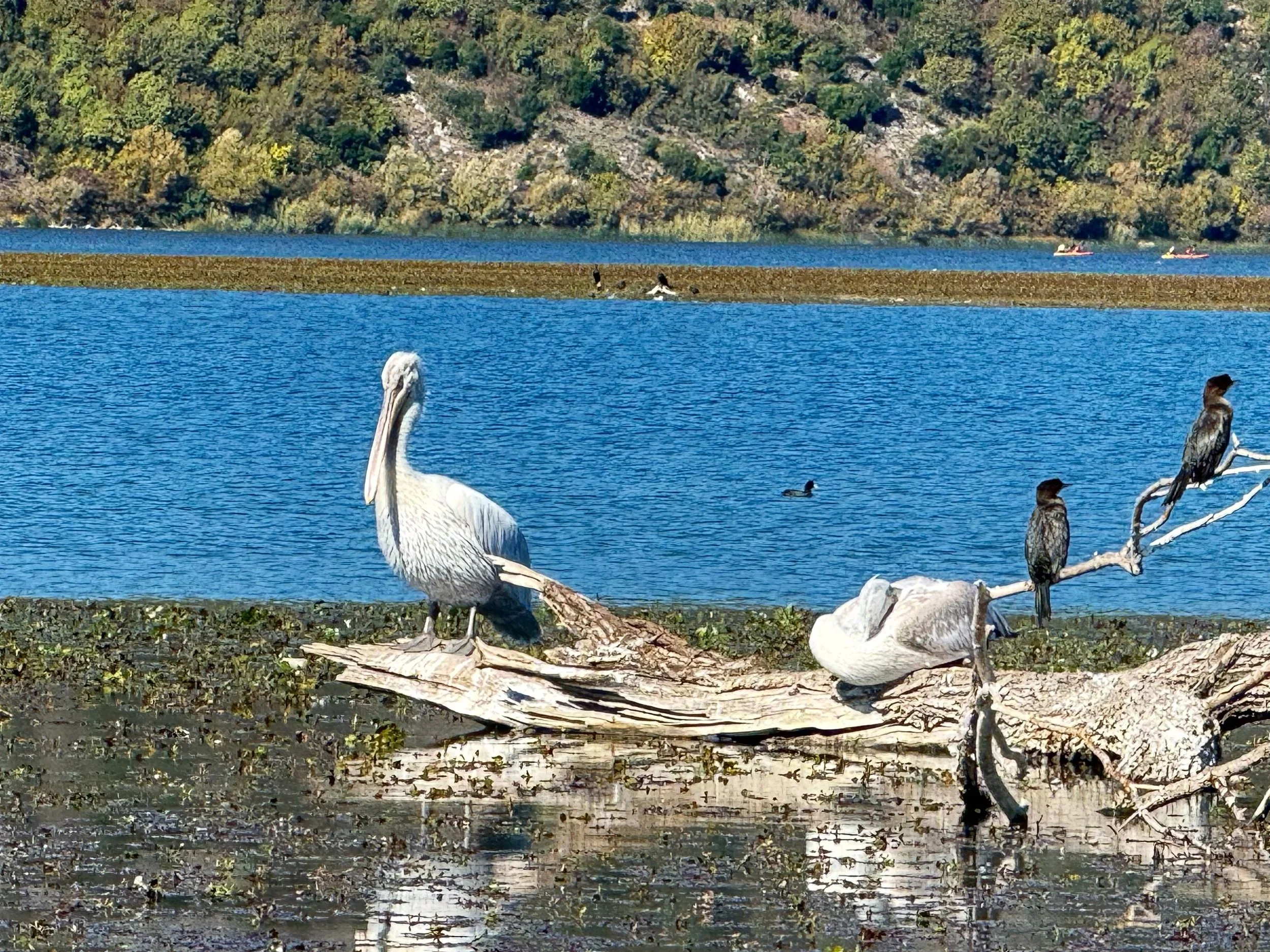
Pelicans and rare birds on Skadar Lake Montenegro
Montenegro is home to over 3,000 plant species, many of which are rare and endemic. Some of the most famous endemic plants are Pčelica, a delicate orchid with a thin green stem found around Podgorica, Danilovgrad, Bar, and Ulcinj, in dry grasslands, rocky areas, and shrubs. Dinarski rožac is a perennial herbaceous plant deserving strict protection, threatened by overgrowth of pastures and open grounds. It grows near Komovi, Kuč mountains, around Crine and Rogama, flowering from June to August. Lincura, also called the queen of mountain pastures, stands out with its height, strong stem, and golden-yellow flower resembling a crown, sometimes used historically for heart ailments. Lovćen bellflower, endemic to Lovćen National Park on the southern slopes of Štirovnik, is a beautiful purple flower under strict protection as a natural rarity.
Montenegro’s nature is also enriched with diverse wildlife. Protected endemic birds include the Griffon vulture (suri orao), inhabiting Durmitor, Lovćen, and Orjen, known for its large wings and claws, earning it the title of bravest hunter. The pelican, symbol of Skadar Lake National Park, has grayish-white feathers and a distinctive crest, also seen at Ulcinj Saltworks, Šasko Lake, and along the Bojana River.
Why travellers are surprised by Montenegro’s untouched and wild nature
Travellers from urban or densely populated countries rarely experience such untouched natural diversity in such a small area. In most destinations, nature is often organized, with paths, parking, or commercial facilities at every turn. In Montenegro, every moment in nature feels spontaneous and authentic.
Visitors are amazed that they can walk for hours through mountain forests, observe rare plants and birds, and almost never encounter anyone. Untouched nature here is not just a visual experience, but one that engages all senses: the smell of mountain lilacs, the sound of rivers, birdsong, and the feeling of silence and freedom. This is what leaves many travellers breathless and makes Montenegro a unique destination for nature and adventure lovers. Here, nature is still the master, and humans are guests who nurture it.
4. How many quiet places still exist
In a time when most popular destinations become overcrowded, one of the things that most surprises tourists in Montenegro is how many peaceful, almost hidden places still exist, even near the most famous towns. You don’t need to go far or plan days in advance. It’s enough to turn off the main street, walk a little further, or ask locals for recommendations, and very quickly you find yourself in a place that feels untouched by mass tourism.
On the coast, although Budva and Kotor are among the most visited spots, just a few minutes’ drive or walk can take you to quiet coves, some of the best places in Montenegro for a peaceful escape.The Luštica Peninsula is a perfect example, small hidden beaches, stone houses, and a sense of a slower life that reminds you of the Mediterranean as it once was.
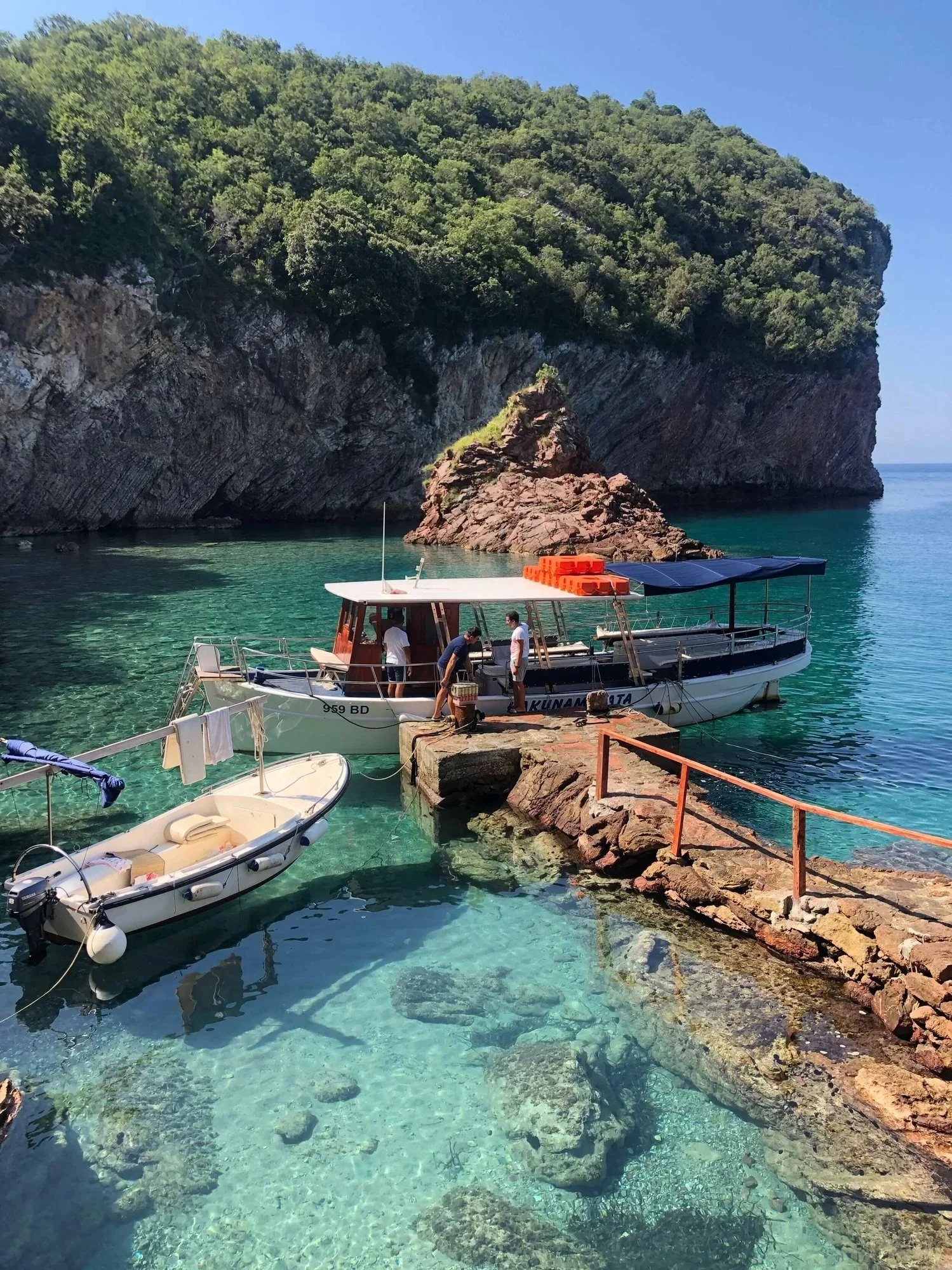
Hidden paradise beach with crystal clear water and peaceful view
One of the most beautiful examples is Perast in spring, a small baroque town that almost feels unreal at that time. Without summer crowds, its stone streets, old palaces, and view of the bay create a sense of silence and elegance that reminds you of another era. Morning walks by the sea, the sound of church bells, and the gentle rhythm of life make Perast one of those places you never forget.
Paradise Beach, accessible only by boat, naturally limits the number of visitors. That’s why the atmosphere is completely different compared to typical city beaches. It offers a unique experience of the sea and the beach, especially if you are looking for a hidden paradise beach near Budva. The Crnojević River offers a completely different kind of peace, a slow-flowing river, small bridges, and nature dominating the area, creating an almost meditative atmosphere.
What makes these places special is not just their beauty but the feeling that you discovered them yourself. No lines, no noise, no sense of being part of a crowd, just space, silence, and nature unfolding at its own pace.
Why travellers can’t believe how many peaceful places still exist in Montenegro
For many travellers, especially those coming from popular European destinations, the idea that such quiet places still exist seems almost unbelievable. They are used to crowds, advance reservations, and the fact that “hidden places” are actually long discovered.
In Montenegro, however, that sense of discovery still exists. Visitors are surprised by how easy it is to find spaces where they can be alone, not because the place is hard to reach, but because it hasn’t been overwhelmed by tourism.
It is precisely this combination of accessibility and peace that makes the experience special. Tourists leave not only with photos but with a feeling that they have found something authentic and rare, a place where they can truly relax, without crowds, without rush, and without needing to share the space with hundreds of other people.
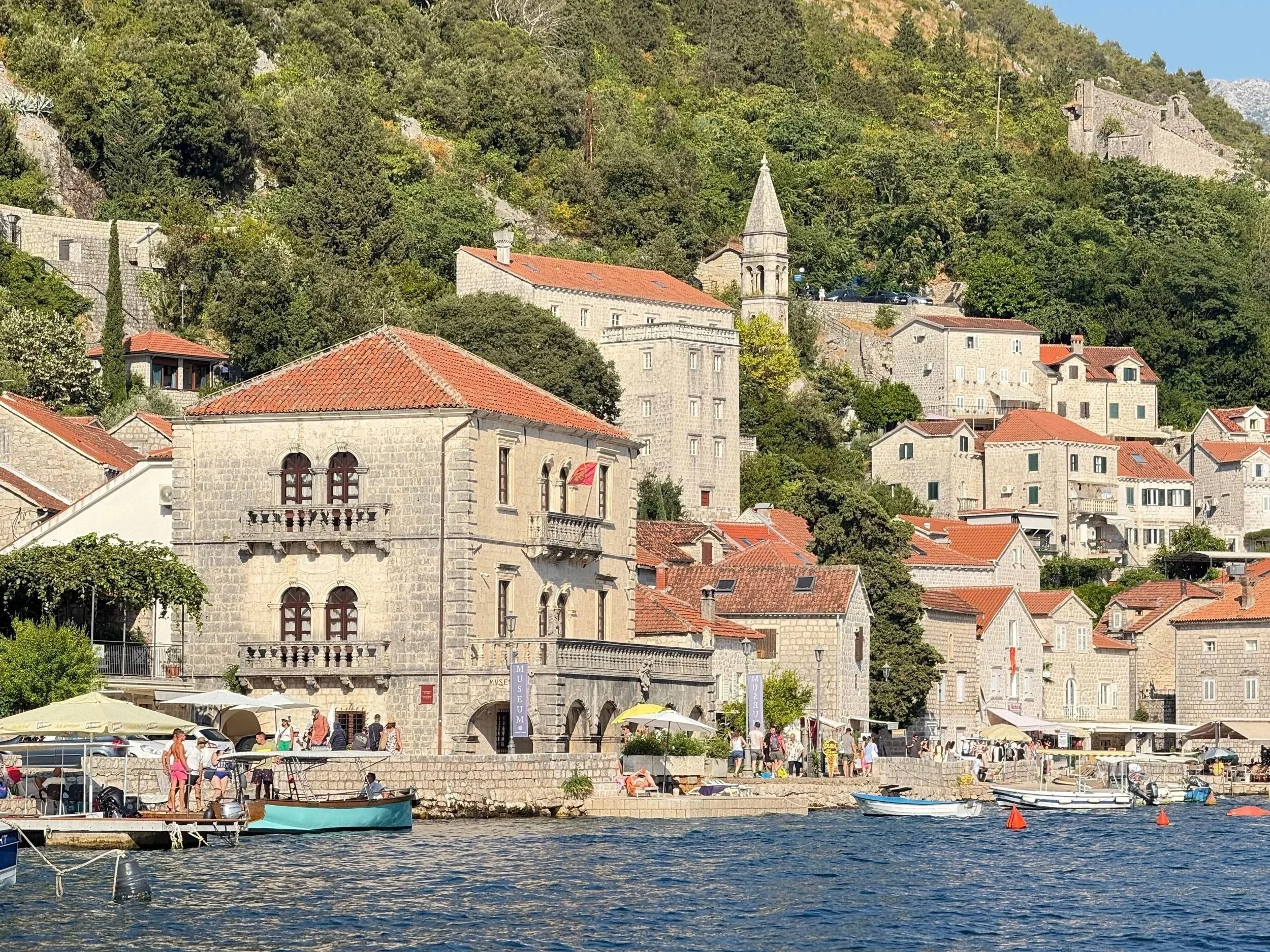
Perast Montenegro waterfront with stone houses and calm sea
5. How beautiful the old town feels in real life
Before coming to Montenegro, most travellers see photos of old towns, stone streets, red roofs, and narrow alleys. They expect it to look beautiful. What actually surprises them is how much atmosphere these places have in reality, something photos can’t fully capture, and how life continues there just as it did in the past, flowing naturally within that rustic setting.
In Kotor, for example, it’s not just about the architecture. As you walk through the narrow stone passages, you feel the shade of walls that have stood for centuries, hear footsteps echoing, and smell the sea coming from the bay. You feel as if you’ve stepped into an old treasure chest. The town is not just beautiful; it seems alive, moving at its own pace, with small squares, old churches, ornate balconies, and green shutters on windows.
Similarly, in Budva, the Old Town offers a completely different feeling from the modern part of the city. Behind stone walls, streets are narrow, filled with small restaurants, galleries, and hidden passages. In the evening, under the warm light of lamps and with music drifting in the distance, the space gains an almost cinematic atmosphere. For a deeper look, explore our Budva travel guide.
Less known, but equally special, is Risan, where history goes even further back. Here, there are no large crowds, and Roman mosaics and the quiet coastline give a sense of authenticity that is rare. Then there is Perast, which looks like a postcard, but in reality, it is even quieter and more elegant, especially off-season, when its stone palaces and churches are fully appreciated without noise.
For those who want to see even older layers of history, there is Doclea (Duklja), an ancient city near Podgorica. Walking among the remains of Roman streets, pillars, and foundations, it’s easy to imagine what life was like here more than two thousand years ago. In Stara Varoš, the old part of Podgorica, you can feel a different, oriental influence: narrow streets, old houses, and mosques that reflect the city’s layered history, complemented by the beautiful Clock Tower, a symbol of this part of the city.
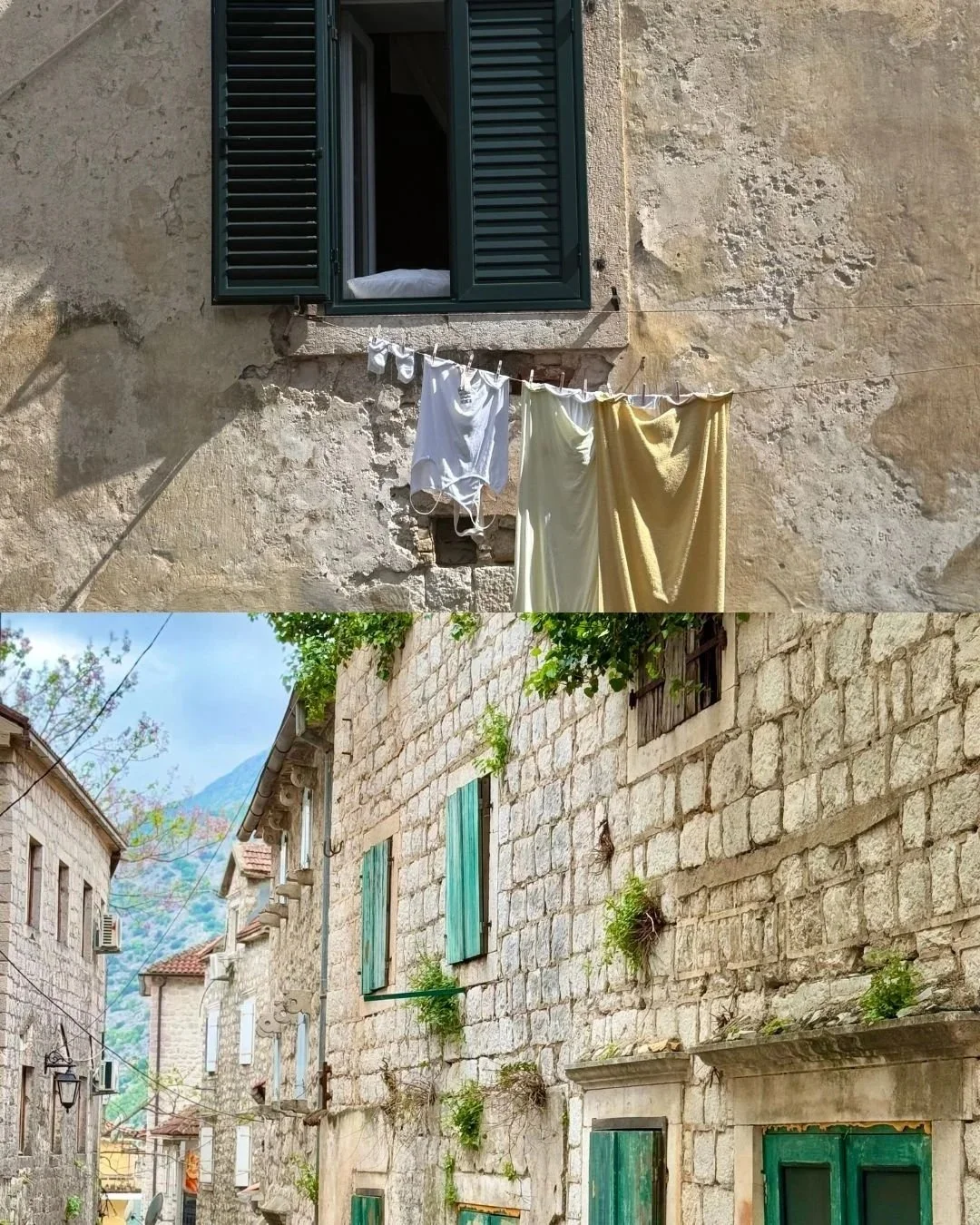
The beauty of Montenegro old towns
Why Montenegro’s old towns feel authentic and alive to travellers
What connects all these places is not just their age but how they are experienced. They are not open-air museums; they are spaces where people still live, walk, have coffee, and go about daily life.
Many travellers arrive expecting beautiful old towns, but not the feeling they carry. In some popular destinations, old towns feel like a set piece, well-arranged but somewhat “empty” or overly touristy. In Montenegro, they are still authentic and alive. People are there, life unfolds between stone walls, and history is not separated from everyday life. Visitors are often surprised at how quickly they connect with these spaces and how easily they lose track of time while wandering the streets without a plan.
6. How friendly and open people are
Openness and spontaneity are noticeable from the very first encounter with Montenegro. Whether you ask for directions, sit in a café, or start a conversation with someone by chance, you quickly realize how important it is to relax and engage in spontaneous communication, how important it is to participate in discovering new people and their traits. Behavior and communication styles depend on the part of Montenegro where people actually live.

Traditional Montenegrin drink rakija
For example, on the coast, especially in places like Herceg Novi, people have a Mediterranean, slower rhythm, talk more, sit more, and communication is warm and direct. In the interior, for instance around Nikšić or in the north, people can be even more straightforward and open. Hospitality is more pronounced, and it is not unusual for someone to offer you coffee, rakija, or homemade food even if you have just met.
What especially surprises travellers is how easy it is to approach people for help or recommendations. Younger locals generally speak English and are very willing to help, whether you are looking for a restaurant, a hidden beach, or just directions. On the other hand, older people, even if they don’t speak foreign languages, will make an effort to understand you and help in their own way, with gestures, a smile, a few words, or even personally guiding you to the place you’re looking for.
There is also a specific Balkan trait, honesty without too much filter. People will tell you what they think, give recommendations or comments without embellishment, but without ill intent. It is precisely this combination of warmth and directness that often leaves the strongest impression, because it feels genuine and effortless.
Why travellers are surprised by the openness and warmth of Montenegrin people
For many travellers, especially from Western and Northern Europe, this kind of openness comes as a surprise. They are used to politeness that is formal and brief, where communication ends as soon as the need, question, order, or service is fulfilled.
In Montenegro, the boundary between “local” and “visitors” often disappears very quickly. People start conversations without a special reason, share recommendations, joke, and include you in their space.
It is precisely this willingness to help, regardless of language or situation, that leaves a strong impression. Tourists often leave feeling that they haven’t just visited a destination but truly experienced the people and their culture. And ultimately, these encounters remain some of the most beautiful memories of the trip.
7. How good the food is
Food is one of those things tourists don’t have high expectations for when coming to Montenegro, and that’s why it surprises them the most. After the first few meals, it becomes clear that this is not just about “good food” but a combination of simplicity, quality, and local flavors that vary from place to place.
On the coast, in cities like Kotor, many try krempita for the first time, with or without fruit, a light dessert that perfectly complements an afternoon coffee in the Old Town. Fresh fish and seafood are almost standard, often caught the same day, prepared simply but with the full flavor of the sea, along with the indispensable fish soup.
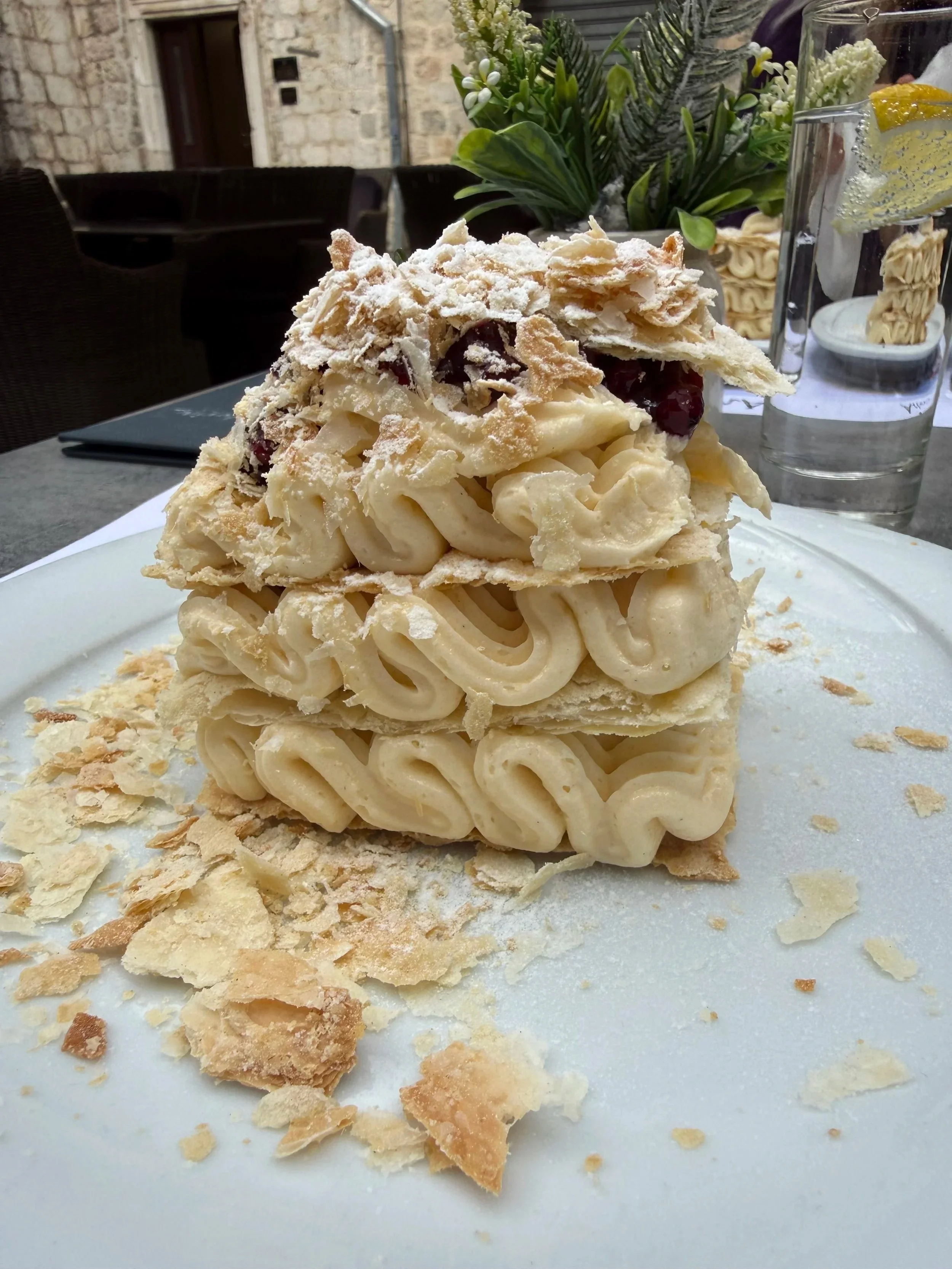
Kotor Montenegro traditional dessert- krempita
In the north, in Kolašin, the food experience is completely different. Here, stronger, mountain flavors dominate, kačamak, cicvara, homemade cheese, and meat. Food is hearty, warm, and connected to the mountain way of life. It is often served in small restaurants or family-run places where everything feels homemade and authentic, without the need for modern interpretations.
In Njeguši, between the coast and the mountains, you can try one of the most famous products, Njeguši prosciutto and cheese. Dried in mountain air, with a combination of sea and mountain climate, this product has a unique taste that travellers rarely forget.
What makes this gastronomy special is not just the diversity but the sense that the food has an origin and a story. It’s not about trends or modern concepts but about local ingredients, seasonal dishes (even when not strictly seasonal), and recipes that have remained the same for years.
Why tourists are surprised by Montenegro’s authentic and diverse cuisine
Many tourists come expecting standard tourist menus, familiar dishes, and “safe options” Instead, they discover a cuisine that is local, diverse, and authentic, often better than they had planned.
The surprise also comes from the fact that the best food is often not in the most luxurious restaurants but in small family-owned places or even along the way between destinations. There, you get the feeling of eating something real, something that truly belongs to that place.
In the end, food in Montenegro becomes more than a meal; it becomes part of the travel experience. Travellers remember not just what they ate but where, with whom, and in what atmosphere. That’s why many leave with the feeling that they discovered something unexpectedly wonderful.
For more insights on the best traditional food to taste in Montenegro, check out our guide.
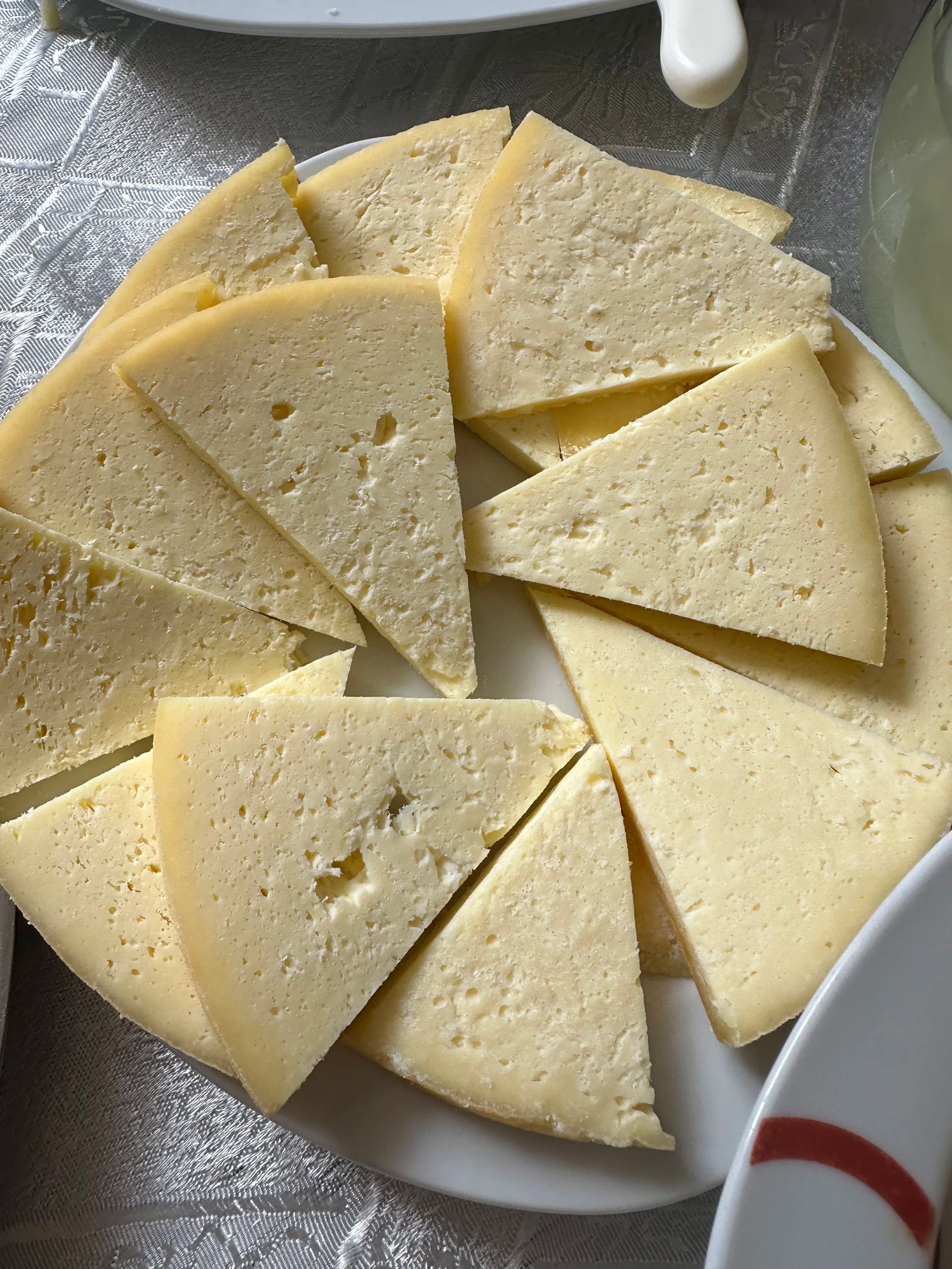
Traditional Montenegrin cheese
8. How slow and relaxed daily life feels
In Montenegro, you will often hear the word “polako” (slowly), which during your stay will become part of everyday life and gradually your favorite word. Daily life in Montenegro is slower, more relaxed, and less burdened by time. Days here don’t have the same rhythm as in big cities; there is no constant sense of rush or need to get everything done quickly.
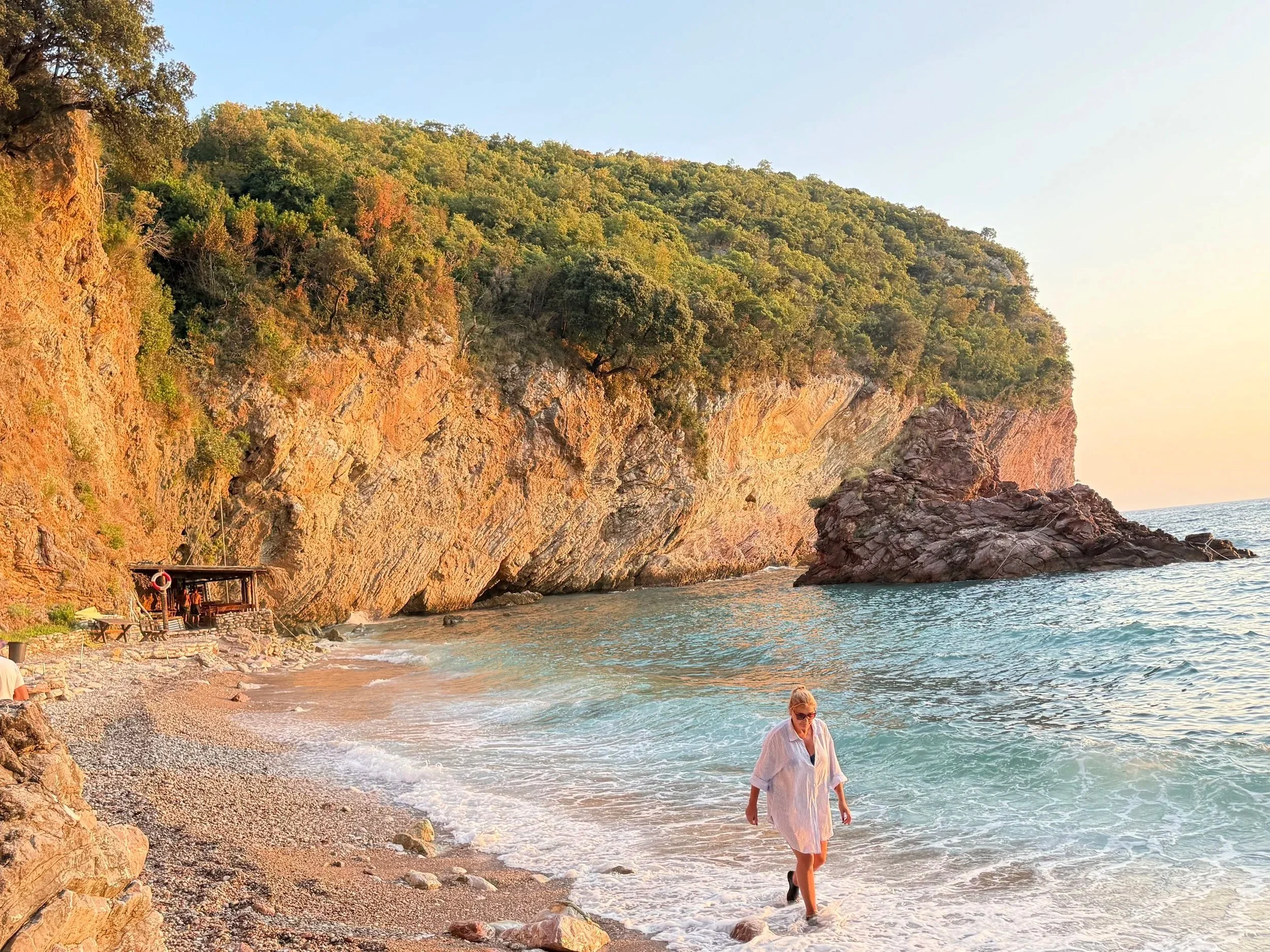
The best part of being by the sea is just walking with no plan and listening to the waves
This is most visible in small, everyday moments. Mornings often start with coffee that lasts longer than planned in Podgorica or Budva, people sit for hours, talk, and don’t watch the clock, even during working hours. No one rushes you to leave, nor is there a sense that you are taking up space.
On the coast, late afternoon walks by the sea are almost a ritual. People go out without a particular plan, to walk, meet acquaintances, or sit somewhere along the way. Dinners start later, gatherings last longer, and the whole day flows naturally and effortlessly.
In the north, this rhythm is even more pronounced. Time is measured differently, through meals, conversations, and being in nature. There is no pressure to “make the most of every moment” because every moment is already lived fully, just without hurry.
This way of life changes relatively depending on whether it is summer or winter. In summer, days are longer; in winter, shorter, but everything always unfolds without rush and at a gentle pace. Interestingly, tourists quickly adapt to this rhythm. Plans become more flexible, days are less packed, and instead of rushing to see everything, they begin to enjoy where they are.
Why travellers are surprised by Montenegro’s slow and relaxed way of life
For travellers, especially those from countries where life is lived to work, this way of life can be a shock at first. They are used to schedules, precisely planned days, and the feeling that time is always “running out.”
In Montenegro, that feeling gradually disappears. People do not hurry, things happen naturally, and there is an acceptance that not everything needs to be under control or pre-planned.
This surprise often becomes one of the most valuable parts of the trip. Ttravellers leave with a sense that they have slowed down, rested, and remembered what life feels like without constant rush. And it’s an experience they want to have again.
9. How important coffee culture is
The word that perhaps best describes life in Montenegro is coffee. But here, coffee is not just a quick drink to energize you, it’s a ritual, a reason to meet, and simply a way of life.
Within the first days of a trip, it becomes clear that coffee means much more than tourists expect. In Podgorica, for example, almost every café is busy all day. People come for “one coffee” which often lasts an hour or two and turns into several, with conversation, laughter, and no rush.
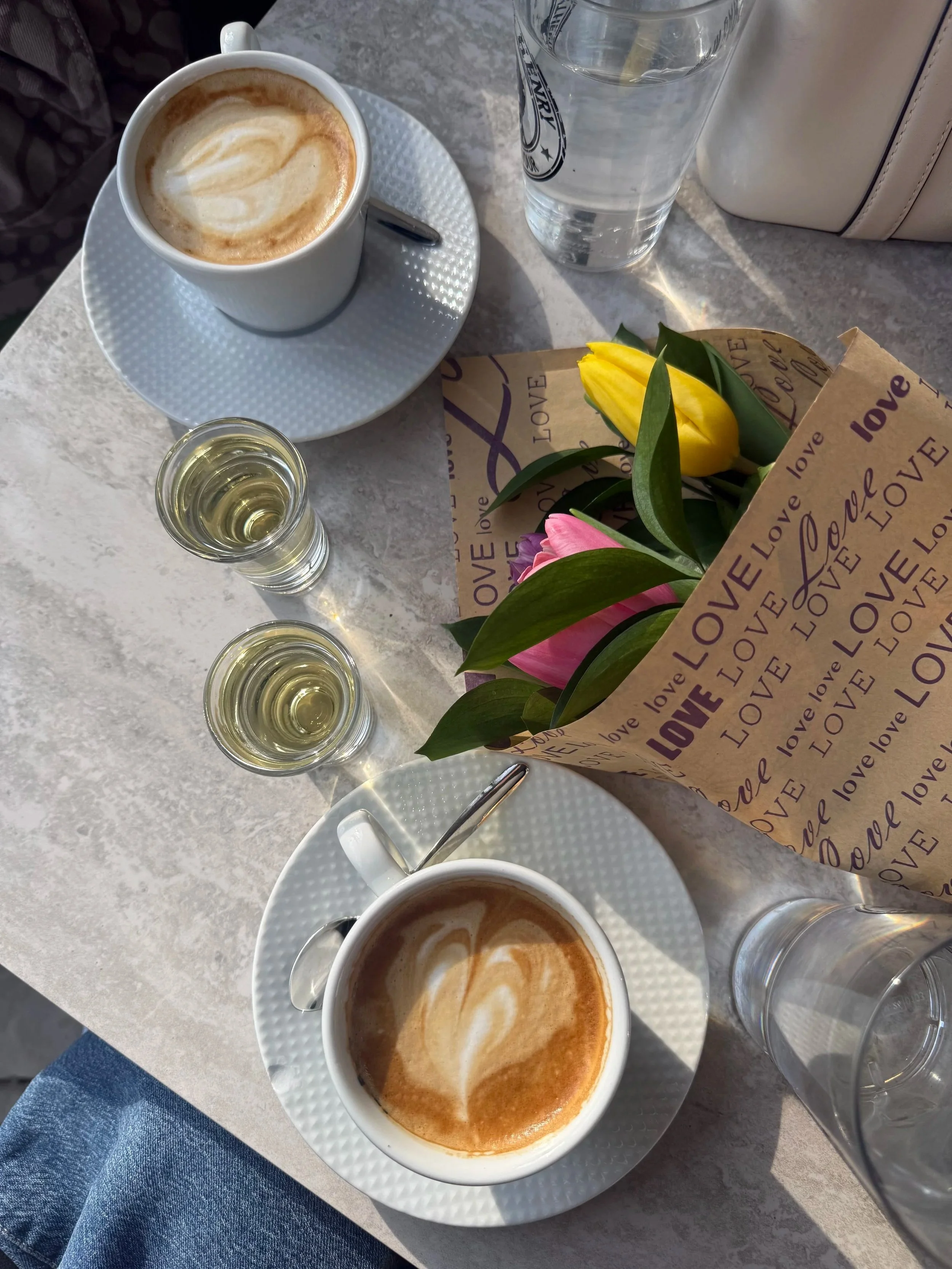
Famous Dojč coffee
One interesting detail you’ll quickly notice is the local names for certain types of coffee. In Podgorica, “dojč” coffee is very popular. It’s a long coffee with milk, which has no direct translation on standard menus, but everyone knows it and orders it without hesitation. It’s the type of coffee you drink slowly, with conversation, perfectly matching the relaxed rhythm of the day. Nowhere in Montenegro will you see “long coffee with milk” on the menu, just dojč.
On the coast, coffee often comes with a view of the sea. Mornings start quietly, with the sun slowly lighting up the stone streets, while afternoons turn into longer sitting sessions with a gentle breeze and the sound of waves. It’s not unusual to see the same people in the same spots every day, because coffee here has a social dimension, a daily ritual.
What stays in memory is how simple yet significant these moments are. No rush, no checking the clock, no feeling that you need to “move on.” Just coffee, conversation, and time flowing more slowly than usual.
Why travellers are surprised by Montenegro’s coffee culture and daily rituals
For many travellers, coffee is just functional, a quick drink, often in a paper cup, between tasks.
In Montenegro, that concept does not exist. Coffee is not taken on the go; it is not rushed, and it is not just an energy source. It is a social event.
Travellers are often surprised by how much time people dedicate to this simple ritual and how quickly they themselves start to enjoy it. After a few days, they also begin to extend their breaks, check the time less, and realize that the greatest part of the experience is hidden in these small moments.
And perhaps that is what surprises them the most, how a simple coffee can change the way you experience the entire day.
If you’re planning to visit Montenegro, don’t miss our essential tips for visiting Montenegro for a smoother and more enjoyable experience.
10. How hard it is to leave
After a wonderful experience and journey, it’s always nice to return home, but sometimes it can be very hard if the experience has exceeded your expectations. Leaving rarely feels like the end of the journey, it feels more like interrupting something that has just begun to make sense.
When we leave a country, we pay attention to things we might do for the last time. For example, the last walk through the Old Town often lasts longer than planned. The same streets you walked on the first day now feel familiar, almost personal. The last evening by the sea carries a special weight, the same waves, the same smell of salt, but a different feeling because you know you are leaving.
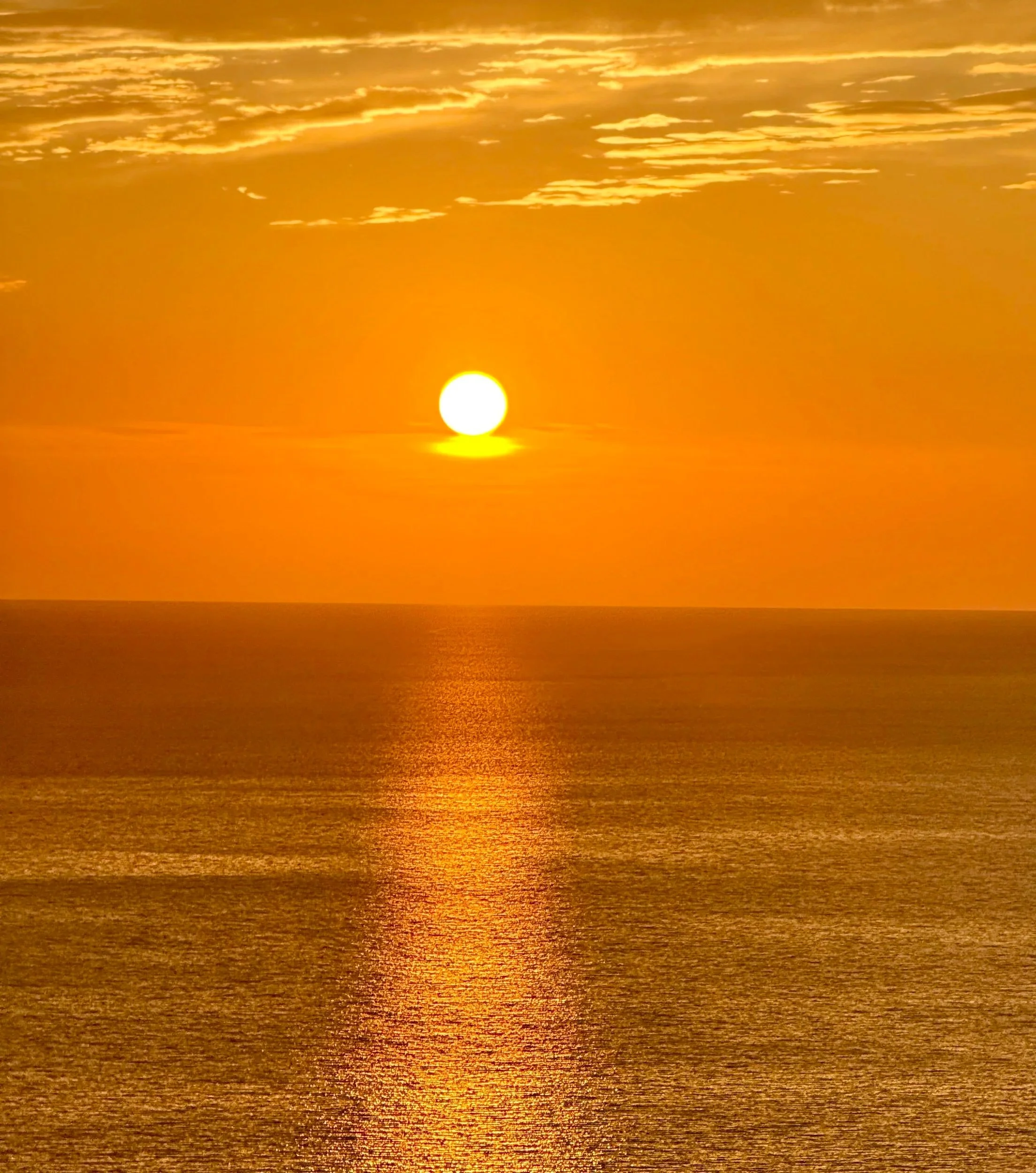
Beautiful sunset on the beach in Montenegro
Mornings are quieter, slower, and often it’s then that people realize how accustomed they have become to this rhythm. In the interior, nature and silence leave a feeling that is hard to replace once you return to everyday life. The reason is not just the beauty of the place but the way everything connects into one experience. The people you meet, coffee that lasts longer than usual, food you remember, silence you rarely find elsewhere, all together create a sense that you were part of something, not just a passerby.
That is why many travellers begin thinking about returning even during the trip. Not necessarily to see something new, but to feel the same again.
Why leaving Montenegro feels harder than expected for Travellers
Most trips have a clear end: you see the destination, take photos, and move on. In Montenegro, however, the experience does not end so easily.
Travellers often arrive without high expectations but leave with a sense of attachment they did not plan. They are surprised at how quickly they adopt the rhythm of life, how much they enjoy the small moments, and how much they miss them once they leave.
This is not only because of nature or towns but due to the combination of everything, the atmosphere, people, and way of life, that leaves a lasting impression.
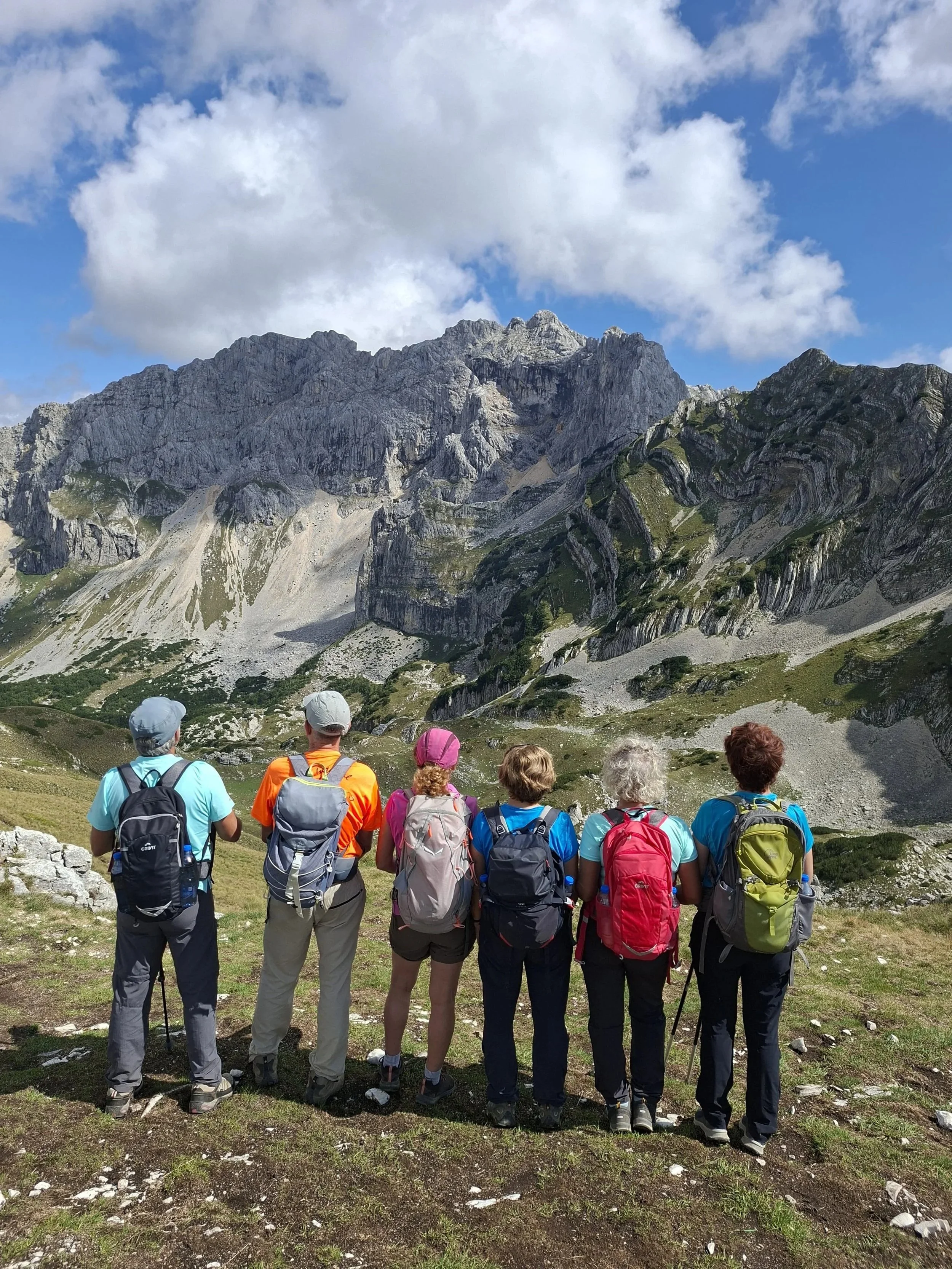
Our guests enjoying a day of hiking in the Montenegrin mountains
Why Travellers Fall in Love with Montenegro
Montenegro may be small on the map, but the experiences it offers go far beyond its size. From rapid changes in scenery and untouched nature to quiet places, authentic old towns, warm people, and a slower pace of life, each of these things comes as a surprise, but together they create an unforgettable travel experience in Montenegro.
It is not a destination you simply visit. It is a place you feel, a place that slows you down, surprises you, and gently draws you in, until you realize you’ve fallen in love with it without even trying.
Tourists who come to Montenegro every year wish their vacation could last forever because the time spent here is special, the people are warm and lively, and a beautiful positive energy is created, especially in the summer months when everything is alive. People are relaxed, carefree, and follow the rhythm of their life and the sea.
And perhaps that is why leaving is the hardest part. Once you experience Montenegro in this way, a part of you stays behind, and a part of it stays with you, calling you back again.